Modular camera transforms into a banned self-flying drone
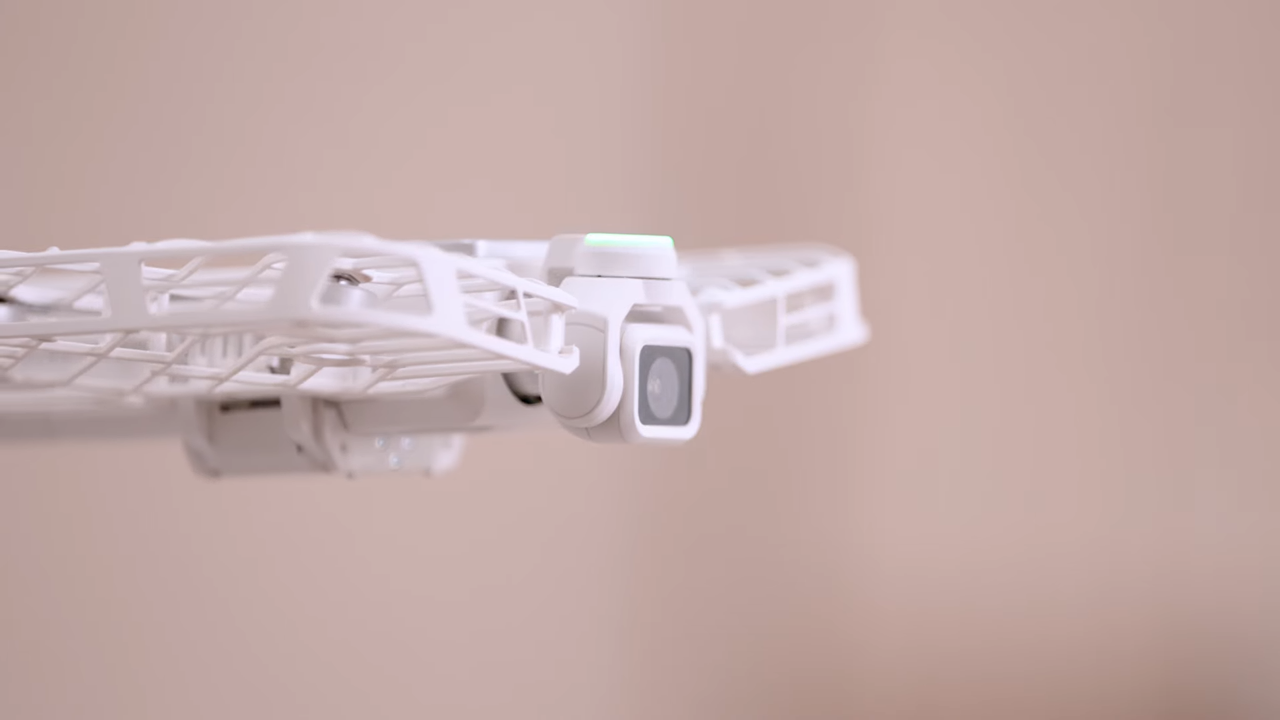
In the high-stakes world of drone innovation, some products are built to fly, while others seem to be built to dodge regulatory hurdles. HoverAir, the maker of the Versa pocket gimbal camera, recently navigated a spectacular collision between cutting-edge hardware and federal aviation law, pulling back a key component from U.S. buyers.
The drama unfolded just days after the Indiegogo campaign opened, as the company faced an unexpected roadblock regarding the Flight Kit necessary to complete the Versa drone setup. HoverAir initially explained the pause as a matter of logistics, noting that they were only shipping the PocketOnly and PocketCombo bundles to the United States.
However, the situation quickly escalated when the Federal Communications Commission (FCC) stepped in. The agency ruled that the authorization granted to the device was erroneous, asserting that the Versa was a prohibited UAS critical component produced in a foreign country. The FCC stated that the company had apparently been willfully violating the law.
The controversy centers on how the Versa managed to bypass restrictions that have kept competitors like DJI’s newest models out of the U.S. HoverAir achieved this by focusing on a clever engineering solution. The Flight Kit, which bundles the motors and propellers, is designed to draw power and telemetry directly from the camera through pogo pins, meaning it never required its own separate FCC ID.
This ingenious design allowed the Versa to be certified as a camera rather than a full drone, granting the parent entity, Shenzhen Zero Zero Infinity Technology, an equipment ID for the camera itself. This maneuver skillfully skirted the stricter regulations surrounding foreign-made drones and the FCC’s Covered List order, which encompasses various UAS critical components like motors and sensors.
While the U.S. market experienced this legal friction, the global reach of the product remains intact. The Versa and its Flight Kit components are still available in other markets, and U.S. backers can still opt for the camera-only tiers, despite the FCC’s finding that even the camera component was a prohibited item.
Despite the regulatory headwinds, HoverAir continues its trajectory. The company is scheduled to present the Versa at IFA in Berlin on September 3, with retail availability planned for the fall. The story of the Versa is a reminder that in the race for technological freedom, innovation often requires navigating not just engineering challenges, but also complex legal landscapes.
Buy on Amazon
Credit