Monitor ruined by latest Windows 11 update
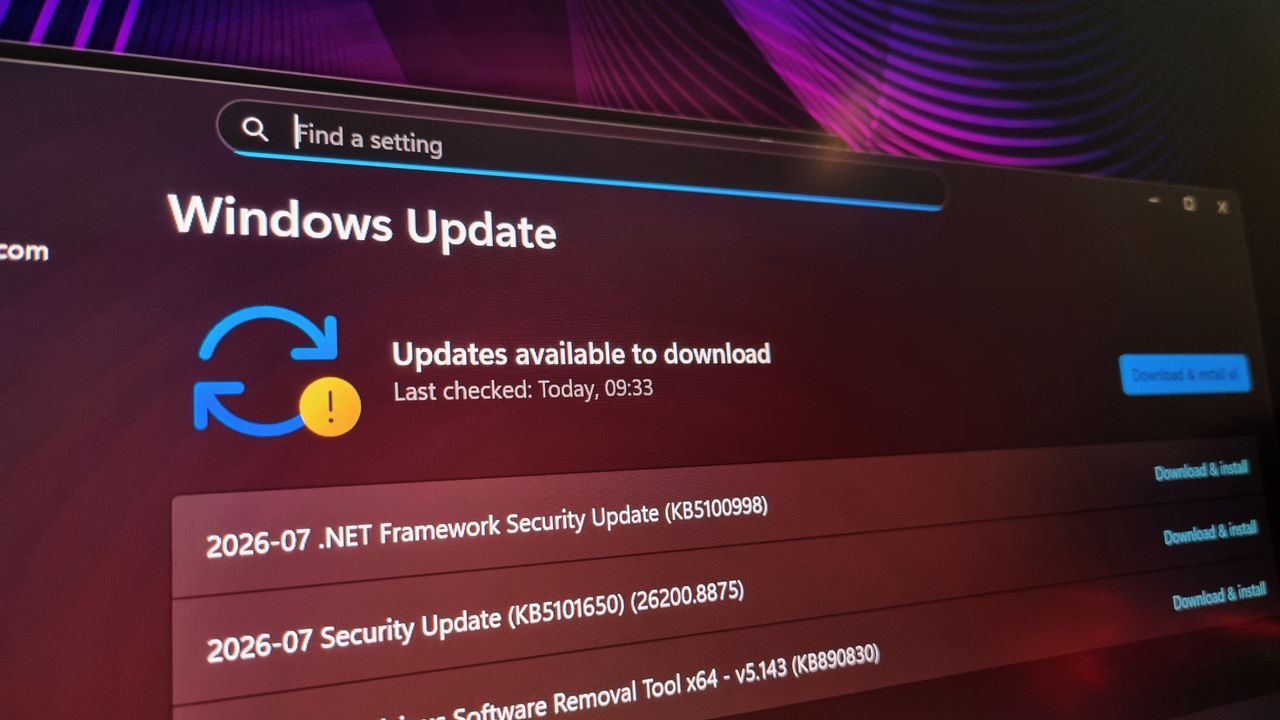
We often celebrate technological leaps—new features, faster processors, and revolutionary software updates. But sometimes, what follows this progress isn’t seamless innovation; it’s a cascade of unexpected bugs that test the limits of our patience.
Recently, the buzz surrounding Windows updates took on an interesting twist. Microsoft leveraged artificial intelligence to scan for vulnerabilities and deliver a substantial batch of fixes in a single release. The promise was a faster, smarter security update; the reality, for some users, became an exercise in digital frustration.
This particular update included a record number of patches, with AI tools working overtime to discover and correct flaws. While this sounds like a triumph of modern engineering, the immediate aftermath raised some serious questions about testing protocols and system stability.
The concern wasn’t just about security; it was about functional stability. Shortly after installing the update, some users reported significant issues with their display and graphics settings. For one user, the experience was particularly dramatic: attempting to run a high-refresh-rate monitor suddenly became an ordeal of stuttering and flickering.
A 400 Hz monitor, once a source of smooth, vibrant motion, began to struggle under the new system. The refresh rate would spontaneously drop—not with a simple setting change, but seemingly as a forced consequence of the update, cycling down through 360 Hz, then 300 Hz, and eventually settling at a sluggish 240 Hz.
This peculiar regression exposed a potential incompatibility between the new system architecture and specific hardware components, especially those utilizing advanced graphics cards like AMD. It sparked a wave of reports from online communities, where users discovered that they were not alone in experiencing similar display and graphics glitches following the patch.
The situation became even more complex when Microsoft had to pause the deployment of this update for certain systems, including some Dell PCs, citing compatibility issues that led to changes in performance or system behavior. This intervention underscored the fact that these updates sometimes introduce unintended consequences far beyond a simple security fix.
While developers are working to address the technical faults, the overarching theme remains: when pushing the boundaries of software with powerful tools like AI, meticulous quality assurance must remain the ultimate priority. For technology to truly advance, the experience for the end-user must be flawless, not chaotic.
Buy on Amazon
Credit
