
Moore’s Law is Dead Can GPUs ever be affordable again
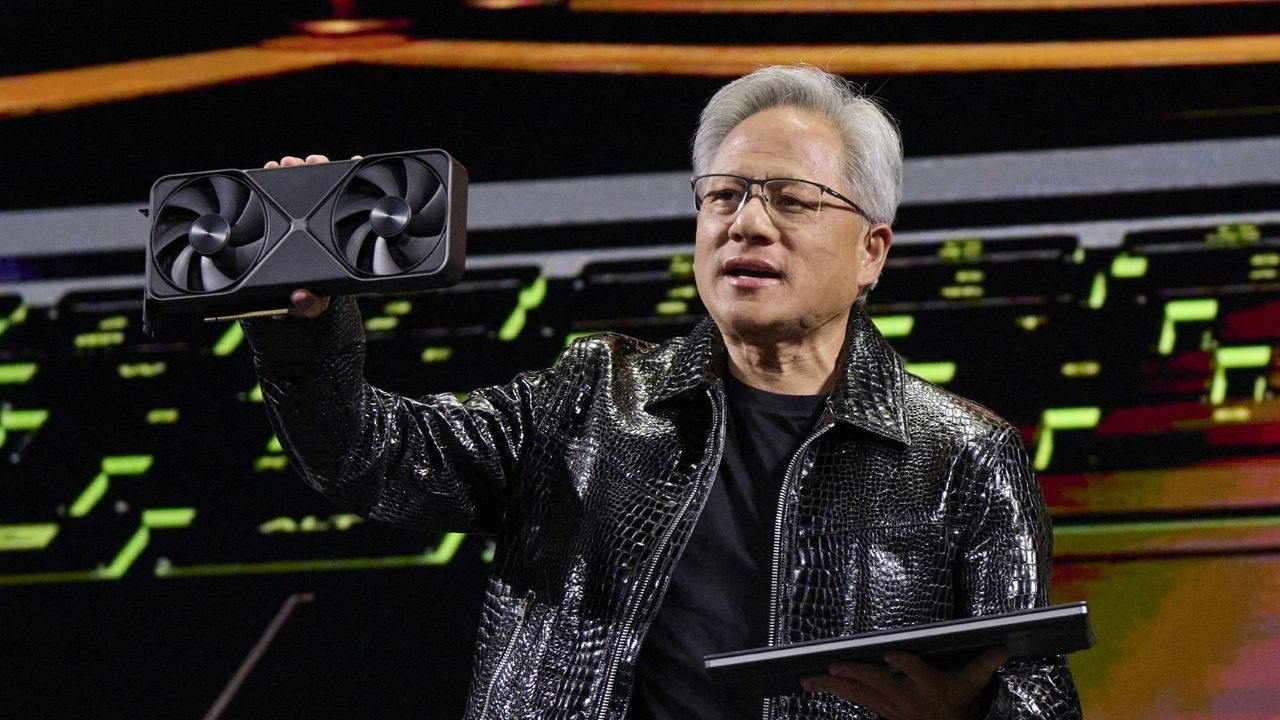
The dream of affordable custom PC building has entered a new era, one where the old rules—especially those governing hardware pricing—have officially changed. The era defined by Moore’s Law, which promised ever-increasing performance at decreasing costs, is effectively over. If you’ve navigated the world of graphics cards and components recently, you know that the dream of cheap, accessible computing power has been replaced by a more complex, and frankly, much pricier reality.
When we look back, the story of Moore’s Law—the prediction that transistor counts would double regularly without prohibitive cost increases—is now history. As NVIDIA CEO Jensen Huang recently stated, the ability for hardware to deliver twice the performance at the same cost is no longer an achievable constant. This shift has profoundly impacted the custom PC-building scene, making it significantly more challenging, particularly for newcomers.
The pressure on pricing became acute when the demands of generative AI exploded onto the scene. Building powerful local AI models requires serious computational muscle, and that demand has created massive spikes in the cost of high-end GPUs. The transition to new generations, such as the GeForce RTX 50 series, perfectly illustrates this trend; prices have reportedly jumped dramatically as manufacturers respond to surging market appetite.
This dynamic means that encouraging novices to assemble their first custom rig under a manageable budget, say $1,500, is now much harder. Even with advancements like NVIDIA’s DLSS upscaling technology, which continues to refine performance, these innovations alone cannot erase the fundamental inflationary pressure built into the hardware supply chain.
The headache doesn’t stop at the GPU. The journey toward a powerful build involves navigating complex decisions about RAM, storage, and system-on-a-chip (SoC) processors. As budgets climb past $2,000, many builders find themselves steering toward alternative gaming experiences, such as high-end handheld consoles, or simply enjoying the satisfaction of building a specific machine from scratch.
While the cost landscape is shifting, the competitive spirit remains fierce. We are seeing major players like Intel and AMD aggressively pushing for innovation to steal market share, particularly in the entry-level space. This competition fuels the drive for new technologies that can offer compelling performance without necessarily relying on the massive discrete GPU setup.
Furthermore, the focus of the industry is inevitably moving toward integrating AI capabilities directly into processors. Modern computing increasingly relies on powerful CPU, GPU, and Neural Processing Unit (NPU) combinations on a single SoC. This trend suggests that future innovation may be less about gigantic standalone graphics cards and more about smart system architectures.
The ultimate question remains: will this shift in focus—driven by the demands of AI and fierce competition—lead to genuinely more affordable, accessible hardware for everyone? While Moore’s Law has seemingly reached its limits, the innovation still flows. We are watching closely to see how manufacturers balance technological advancement with consumer affordability as we head into the future of computing.
Buy on Amazon
Credit