Most interesting game action from Opening Night Live
I was prepared for the usual Gamescom spectacle—a relentless parade of fantasy action games—but what truly captured my attention was a game that felt less like escapism and more like a philosophical nightmare: Ontos”>Ontos, Frictional Games’ latest offering.
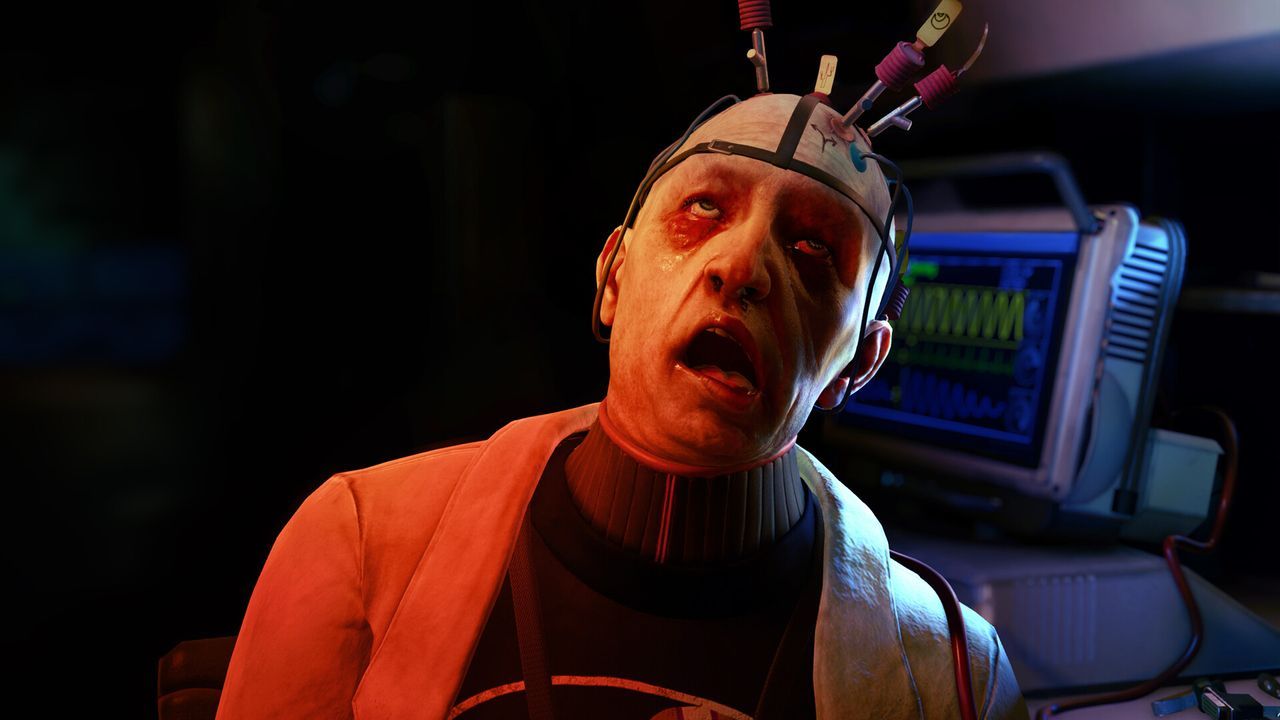
Amidst the chaos of the opening night coverage, Ontos stood out immediately, presenting an unsettling blend of high-concept sci-fi and visceral horror. The Gamescom trailer set a disturbing tone, featuring imagery that ranged from rodent server-racks to figures with exposed electrodes, immediately signaling that this was going to be an experience that pushed boundaries.
When Frictional Games provided a longer showcase, it peeled back the curtain on how Ontos operates. We followed the player character, Aditi, as she navigates the repurposed “Moon Hotel” Samsara via an internal railway system, setting the stage for an exploration of a deeply fractured environment.
The moment-to-moment gameplay is rich with tactile interaction. Players engage directly with the environment, examining text logs on computers and grappling with the unsettling reality of the setting. The game’s horror is delivered through tangible, grisly moments, such as the sequence where Aditi must pluck electrodes from a live rat’s exposed brain. This blend of environmental puzzle-solving and physical horror gives the experience a unique weight.
Ontos shares DNA with other works in the genre, emphasizing immersive interaction and stealth—Aditi must evade security cameras by throwing objects, a mechanic that adds a layer of tension to her exploration. More than just jump scares, the game forces players to confront complex, reality-bending themes.
The narrative deepens significantly when Aditi enters Crombie’s experiment, where the rat server-rack becomes the focus. Crombie reveals a chilling dilemma: he attempted to copy his consciousness into the rat’s RAM, but instead accidentally uploaded his entire mind, leaving his physical body in a near-vegetative state. He then asks Aditi to help him return his consciousness to his body, presenting a profound philosophical quandary.
These intellectual scares are precisely what elevate Ontos beyond typical horror. It transforms the experience into an exploration of identity, consciousness, and the boundaries of reality, making the existential crises felt by the player deeply personal and unsettling.
While the voice acting for Aditi was a slight miss for such traumatic imagery, the core experience remains remarkably powerful. Ontos proves that true horror can reside not just in gore, but in the difficult, unsettling questions it forces us to ask.
As we look toward the future of PC gaming, titles like Ontos demonstrate that the most engaging experiences are often those that blend mechanical mastery with profound, unforgettable ideas. The seeds planted by this kind of intellectual horror are certainly worth investigating.
Buy on Amazon
Credit