Motherboard prices set to spike with 50% component cost rise
PC gaming, once a niche hobby, has morphed into a financial odyssey. What started as an expensive pursuit has quickly devolved into a scenario where the cost of entry feels less like a purchase and more like an international expense. It’s a familiar, exasperating reality: the hardware market is experiencing an astronomical price hike that threatens to make high-end gaming a luxury reserved for the ultra-rich.
The price inflation is nowhere more obvious than with graphics cards. One might find it remarkable that the cost of next-generation components, such as the RTX 50-series cards, can sometimes be priced slightly less than an international flight. This absurdity sets the stage for the wider economic pressures gripping the tech supply chain.
But the story doesn’t end with GPUs. The crisis extends deep into the fundamentals, particularly in the realm of memory and storage. The ongoing supply constraints for RAM and SSDs are fueling another wave of escalating costs, ensuring that the quest for high-performance computing remains tethered to ever-increasing prices for essential components.
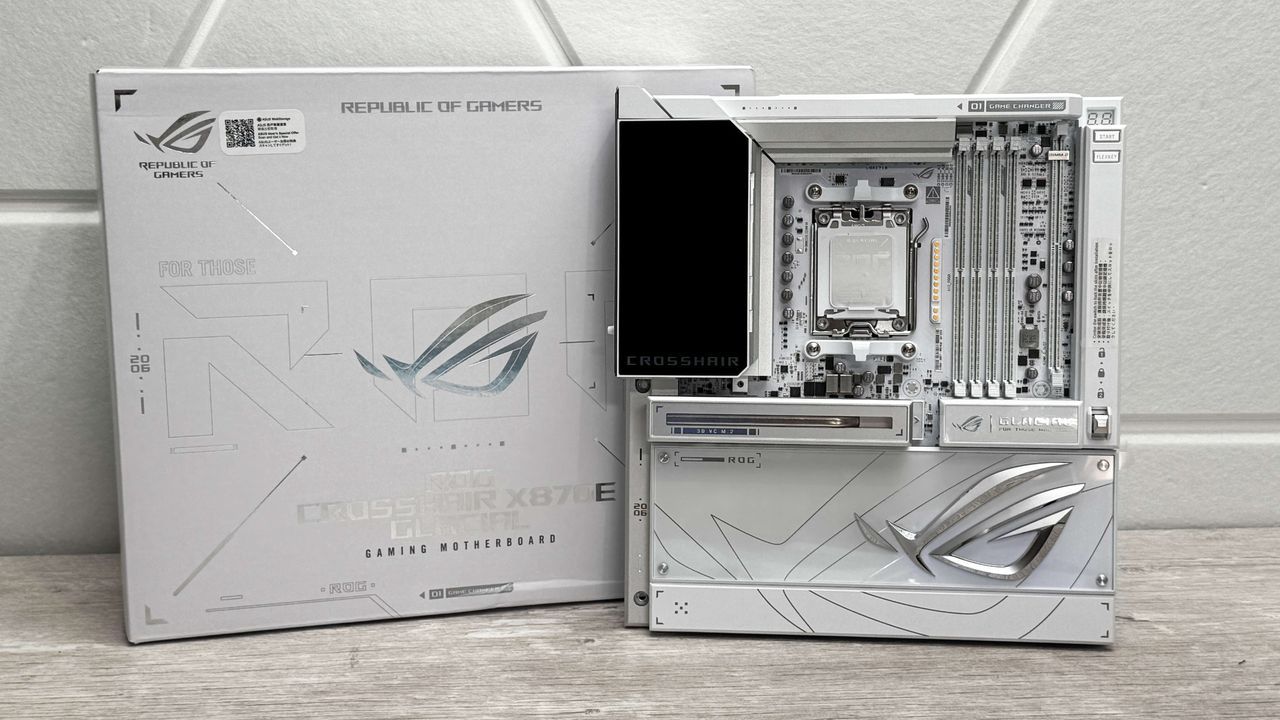
Now, the spotlight shifts to the components that hold the system together: motherboards. While often overshadowed by the visible cost of the GPU, the complexity of the motherboard is facing its own steep price climb, driven by global raw material shortages and volatile supply chains.
The foundation of these increases lies in the upstream raw materials. Experts in the hardware community point to significant rises in prices for crucial materials used in PCB manufacturing. For instance, the cost of the PCBs themselves has increased by a staggering 15% to 50%. Even seemingly minor components are feeling the squeeze, with Wi-Fi modules rising by 10% to 20%, and essential capacitors seeing an approximate 50% jump in price.
This volatility is not just abstract; it is tied directly to geopolitical instability. Key materials, such as the PPE resin used to bind layers of the PCB, rely on petrochemical supplies that are vulnerable to global shipping disruptions. The routes used to transport these materials, often navigating crucial choke points like the Strait of Hormuz, introduce risks that inevitably translate into higher manufacturing costs.
Even when manufacturers attempt to manage these pressures, the consumer ultimately feels the squeeze. While some major brands have managed relatively modest price adjustments, the underlying costs are clearly pushing prices upward. The reality is that as the market digests these supply chain shocks, the trend suggests that hardware costs are likely to continue rising, making the journey to a powerful new PC a more expensive endeavor.
Buy on Amazon
Credit