Mouse sliced in half for crazy-light performance
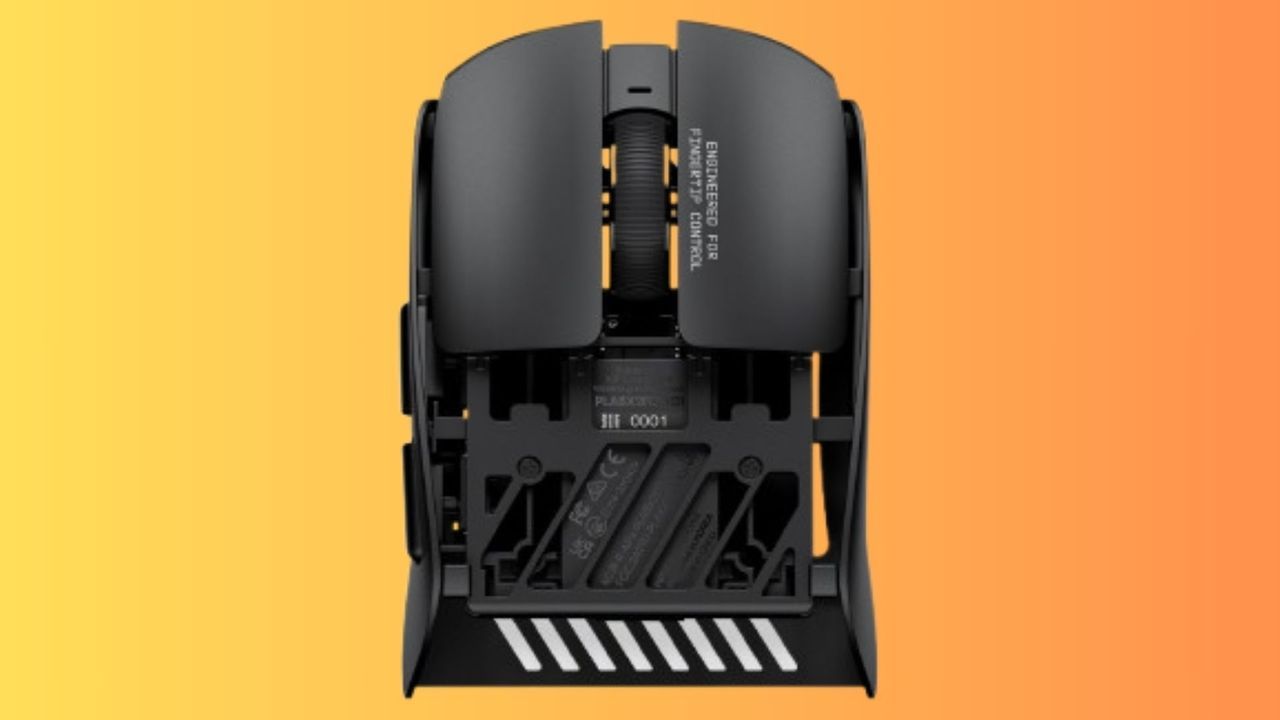
In the relentless pursuit of speed in competitive gaming, the focus has shifted from merely adding sensors to radically rethinking hardware design. With mice sensors achieving ludicrously high specifications, some brands are opting for a radical strategy: shaving weight until it seems impossible. The goal is simple, yet profound: lighter equals faster.
Pulsar is spearheading this movement, challenging traditional mouse design by offering a gaming mouse that is effectively half of what you expect. Their new X2F CrazyLight mouse clocks in at just 29 grams—a weight that places it firmly in the realm of extreme lightweighting.
This innovative approach is not a one-off experiment. Pulsar has explored this concept before, with models like the G-Wolves HSK Pro V2.0 already demonstrating mastery over lightweight performance at just 26.8 grams. Their current offering, the X2 CrazyLight Mini, sits at 35 grams, establishing the Pulsar line as the lightest mouse available to date, achieved without resorting to the honeycomb shells favored by many competitors.
But the magic isn’t just in the weight; it’s in the integration of cutting-edge technology. The X2F CrazyLight integrates Pulsar’s new SX2 sensor, offering high performance alongside its minimal footprint. While the exact statistics for the SX2 sensor are still being detailed, the mouse supports up to 8,000 Hz polling rates, hinting at elite responsiveness.
To put this performance into perspective, established market leaders continue to push the boundaries. For instance, the Razer Viper V4 Pro utilizes the Focus Pro sensor, boasting 50,000 DPI, 888 IPS max speed, and 88 G acceleration. Similarly, the Logitech G Pro X2 Superstrike leverages the Hero 2 sensor, delivering 44,000 DPI, 888 IPS, and 88 G acceleration.
The question remains: will the X2F CrazyLight be the ultimate competitive weapon? The answer likely rests on a delicate balance between sensor quality, weight distribution, and market pricing. While the trend of dissecting hardware for speed feels niche, the fact that multiple companies are pushing this envelope suggests a rapidly evolving, competitive mindset among the gaming community.
One practical note for potential users is the design. Although the lightweight nature is compelling, the visible battery on the mouse is a point of contention. A hot-swappable battery could allow for a smaller internal component, further reducing weight, though this introduces a new design challenge. Ultimately, the future of competitive mice will be defined by how effectively these lightweight innovations merge speed, precision, and undeniable performance.
Pulsar LAB : X2F CrazylightSensor: XS2MCU: Nordic 54L15Switch: Pulsar OpticalEncoder: TTC GoldBattery: 210mAWeight: 29gSEPT 28th, 2026
Buy on Amazon
Credit