MSI Afterburner heatmap shows GPU boosting behavior for better overclocks
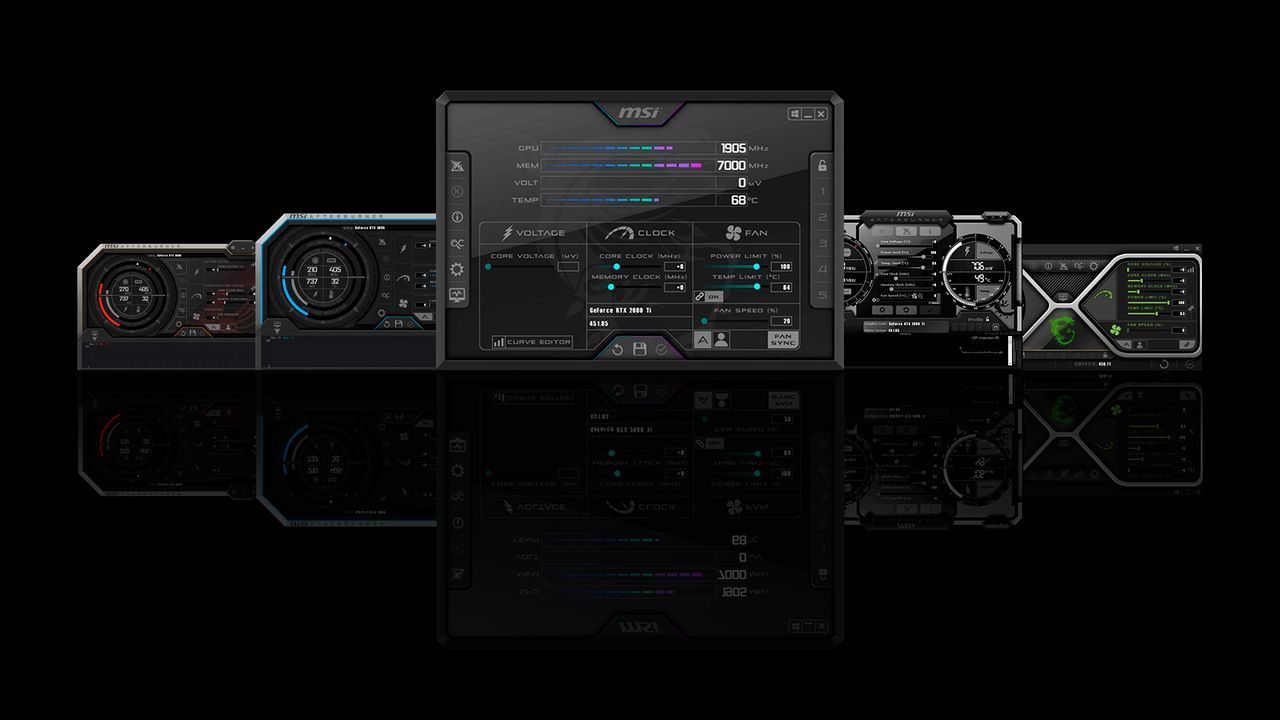
Overclocking enthusiasts are constantly chasing the elusive sweet spot between power and performance, often wrestling with complex voltage and frequency curves. Now, a solo developer behind one of the industry’s most popular overclocking tools has introduced a powerful new feature that promises to revolutionize how users approach GPU tuning: a visual heatmap for understanding real-world boosting behavior.
This innovative update integrates a detailed heatmap directly into MSI Afterburner’s voltage/frequency curve chart, offering a clear visual map of the specific voltage and frequency points where a GPU actually spends its time during various workloads. The goal is to give enthusiasts and overclockers unprecedented insight into their GPU’s dynamic boosting behavior.
By overlaying these heatmaps, users can instantly compare their established V/F curve against the actual operating points revealed by the heatmap. This comparison makes it much easier to align manual adjustments with the hardware’s true priorities during demanding tasks, moving overclocking beyond guesswork and into a realm of precise, data-driven optimization.
For instance, testing this new system on cards like the RTX 5090 reveals fascinating details. When observing maximum load conditions, the heatmap for the RTX 5090 shows activity spread across the entire voltage/frequency curve. This indicates that the newer Blackwell architecture spends significantly more time in the middle range of its operational spectrum compared to older generations.
In stark contrast, an RTX 4090’s heatmap tends to focus activity only at the lower and upper bounds of the V/F curve under similar loads. This difference highlights how advancements in Dynamic Voltage Frequency Scaling (DVFS) implemented in the new generation of GPUs result in fundamentally different power management behaviors.
The implications for overclocking are significant. By understanding precisely which voltage/frequency points the GPU prioritizes in real workloads, users can more accurately adjust their overclocks. This allows them to manipulate the GPU’s boosting algorithm effectively, moving toward smarter methods of undervolting before attempting aggressive overclocking.
While this feature is currently being tested through beta releases, including the 4.6.7 beta4, it sets a new standard for detailed hardware monitoring within Afterburner. It transforms the process of tuning from an art based on intuition into a science built on measurable data, empowering users to unlock even greater potential from their graphics cards.
Buy on Amazon
Credit