My first PC game shows what Sony is destroying
The gaming world is currently caught in a fascinating, high-stakes spat over the future of distribution. Sony recently sparked significant outrage with an announcement suggesting that by 2028, PlayStation owners will wave goodbye to physical media entirely, paving the way for a purely digital gaming landscape. This push toward digital exclusivity has sent ripples of frustration, forcing a wide-ranging debate about the value of tangible gaming experiences in an increasingly ephemeral world.
While the industry gears up for this digital highway, there is a philosophical pause worth taking. For many of us, the shift isn’t just about convenience; it’s about materiality. We are moving from a world where games were physical objects to one where they exist as pure data streams. This transition prompts a deeper look at what we actually remember, and what we choose to let fade away.
This reflection led me down a memory lane, wondering about the tangible anchors of my own gaming history. What was the first big-box PC game I remember handling? Was it an all-time classic, rightfully embodied in physical form?
The answer, I suspect, is less about polished masterpieces and more about wonderfully weird artifacts. I recall a specific piece of gaming history: Tunnel B1. It was a 1996 first-person shooter that, despite its age, feels like a transitional fossil—a messy, id-inflected experience that sits awkwardly between the era of arcade shooters and something more narrative. Critics were skeptical, and I’m glad they were. It was a game that didn’t try to be anything but itself.
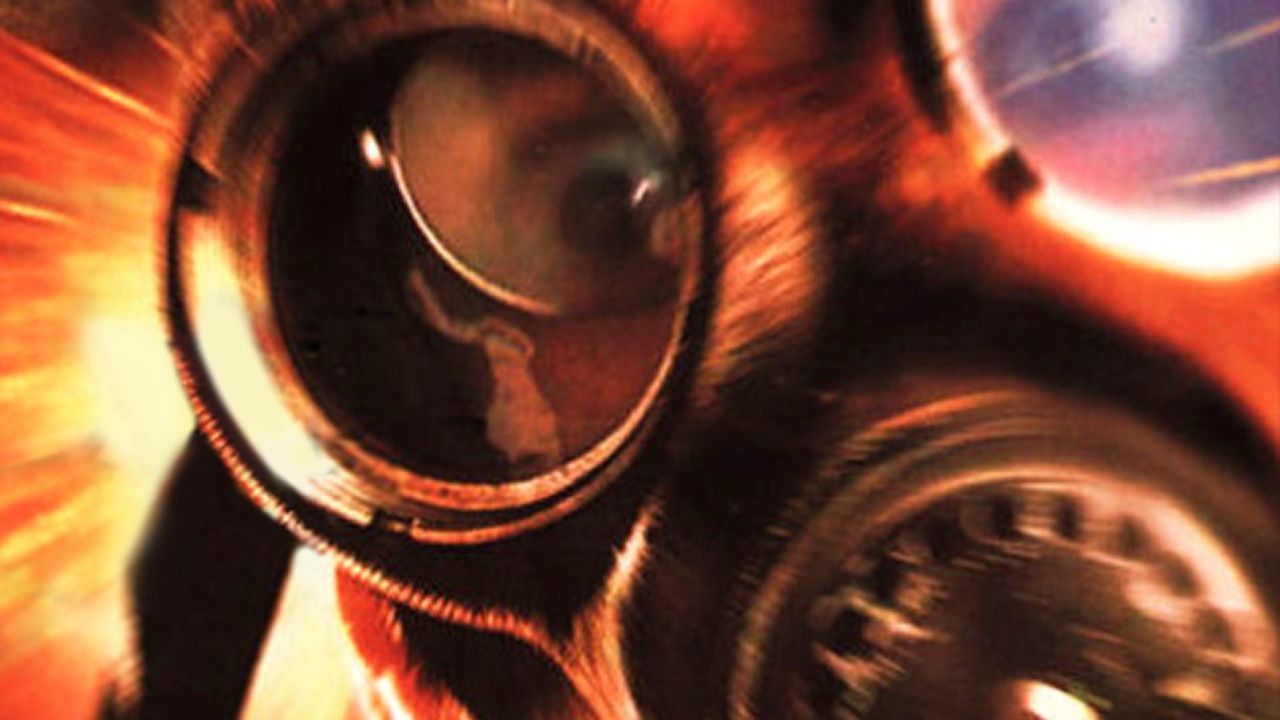
I remember being utterly mesmerized by the physical presence of it. It wasn’t just the gameplay; it was the box itself—a weird, gold-ish container featuring a startled guy in a gas mask making direct eye contact. This box was more than just a vessel for code; it was a physical vessel into which a child’s imagination could pour all its energy, warping the actual game within into something far grander and stranger than it could ever be in practice.
Long before I ever put the disc in the drive, I had an entire world of Tunnel B1 mapped out in my head. That sense of ownership, of holding a tangible object that represented a vast digital universe, felt vital. These kinds of fantasies, sparked by physical media, were a truly vital part of falling in love with video games growing up.
Today, the digital experience is instantaneous. We download and play; we stream and consume. But when we remove the material world, what gets lost? It is tempting to believe that the digital convenience supersedes the nostalgic power of a physical artifact. Yet, there is a lingering sense that something essential is lost when we leave behind the material world, even if our memories of the gameplay remain sharp.
The fight over physical media is therefore not just about obsolete technology. It is about preserving a form of memory and experience. As we navigate this future, we must consider whether the digital flow can ever replace the potent, almost magical, feeling derived from holding a game in our hands.
Buy on Amazon
Credit
