Myst teaser turns out to be fake
The Ghost in the Machine: Why Myst’s Legacy Still Haunts the Gaming Industry
In 1993, Myst wasn’t just a video game; it was a revolution. It didn’t just sell units, it redefined what players expected from digital worlds, ushering in the CD-ROM era and opening up entirely new frontiers of visual fidelity and immersive storytelling. For a time, Cyan Worlds and their masterpiece cemented their place as foundational figures in gaming history.
Yet, the glittering success of Myst has begun to fade into memory. While the original title remains an icon, the fortunes of the studio have shifted. Following the initial boom, subsequent entries like Myst 5: End of Ages did not replicate that monumental success, and Cyan Worlds navigated years of financial struggle. Today, the studio continues to channel its creative energy into projects like Firmament and Obduction, relying heavily on community crowdfunding to sustain their vision.
This current landscape highlights the brutal reality of the game industry. The contraction has been severe, leading some observers to point to significant shifts in the creative landscape. In 2025 alone, the studio experienced major staffing changes, with reports indicating that roughly half of its staff were laid off.
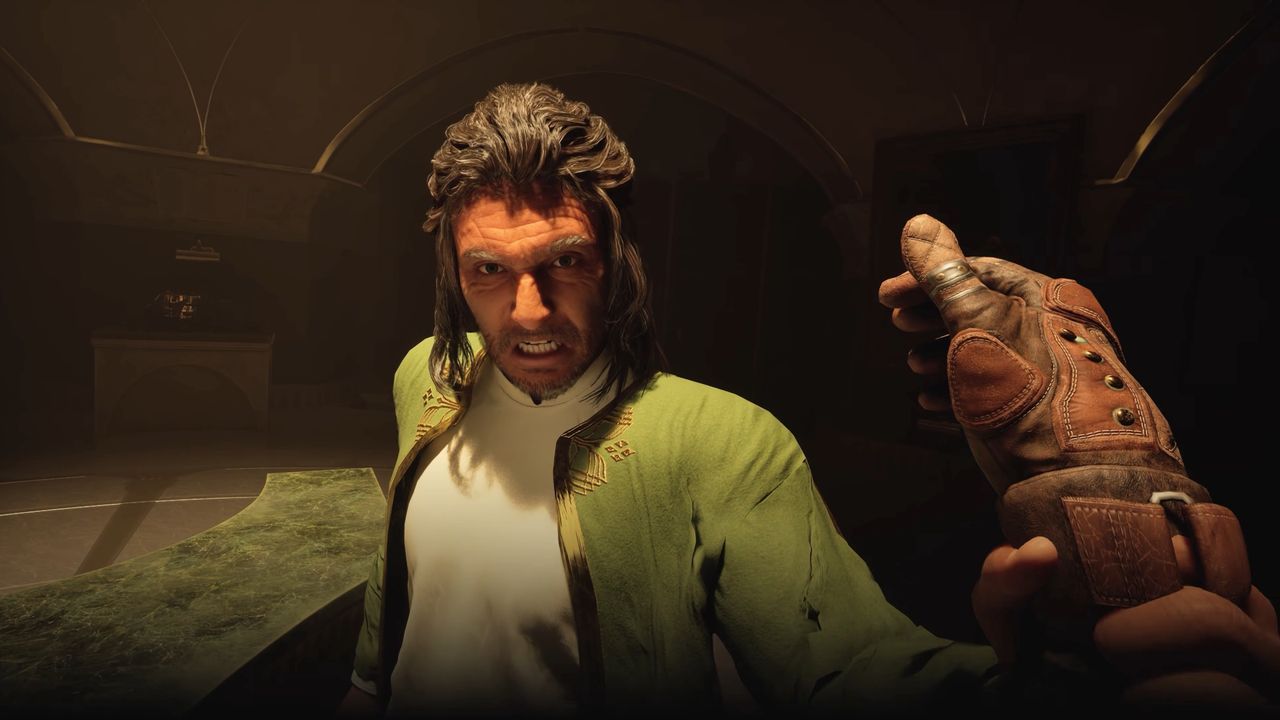
Amidst this challenging environment, the release of a teaser for a new project—codenamed Project Anglerfish—ignited a fresh wave of excitement. This prototype, developed over four months, was created specifically to showcase what could have been. It is a stunning glimpse into the potential of a new adventure, built entirely for the visual and narrative satisfaction that the series promises.
The reaction to this prototype has been overwhelmingly enthusiastic. Fans are captivated by the quality, demanding that development continue, fueling a palpable sense of desire among those who remember the magic of classic adventure games. The enthusiasm is clear: people are hungry for more of what made Myst legendary.
The central question now pivots on industry reluctance. Why might publishers hesitate to back a new Myst title? While the demand from dedicated fans is undeniable, there is often a gulf between nostalgic desire and commercial viability. The market has evolved; today’s audience looks for immediate gratification, whereas classic adventure games require patience—a privilege that not all publishers are willing to grant.
This tension brings into focus the power of community investment. Cyan Worlds has successfully leveraged this demand in the past, drawing massive funds through Kickstarter campaigns for titles like the Myst 25th Anniversary Collection, which raised over $2.8 million. This history demonstrates that when a brand commands such loyalty, the audience is willing to chip in and make their voices heard.
As the industry continues to pivot toward new trends, projects rooted in deep nostalgia often offer a unique opportunity. Whether this latest prototype becomes a full-fledged game remains to be seen, but it serves as a powerful reminder: the appetite for timeless storytelling and beautifully crafted worlds is still very much alive.
Buy on Amazon
Credit