NEC quits quantum hardware development focuses on applications
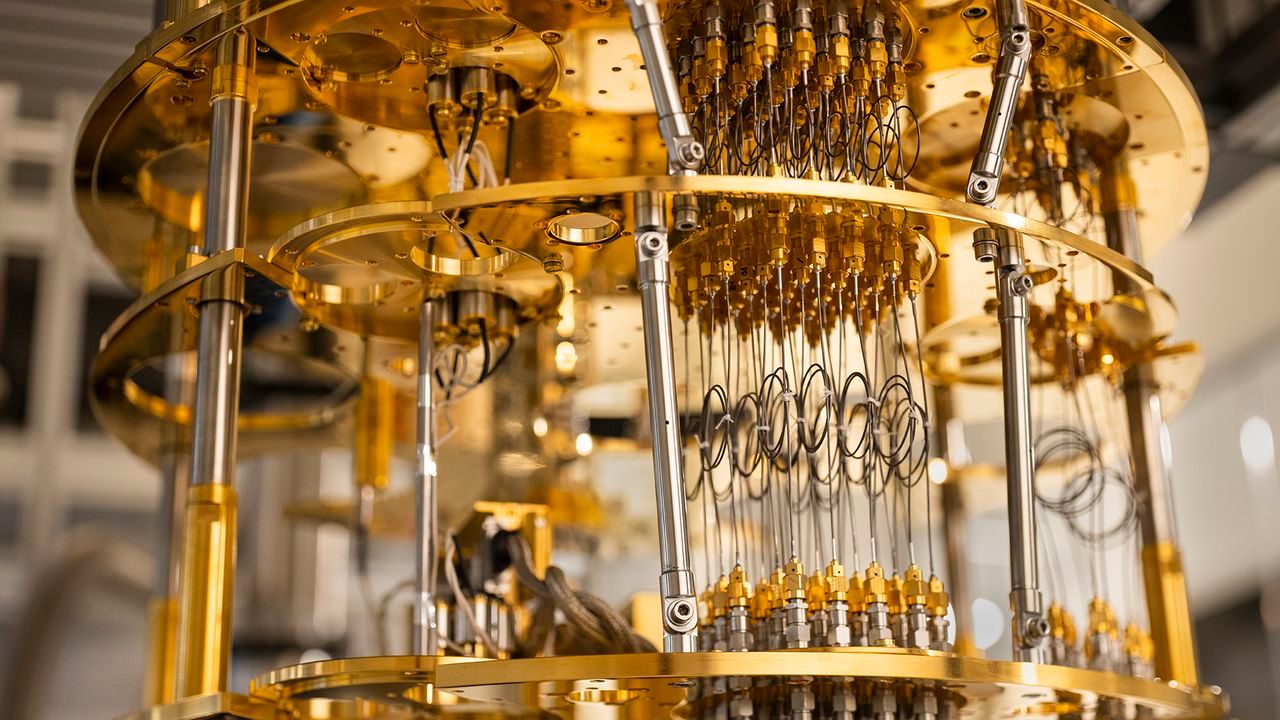
In the high-stakes world of quantum computing, where theoretical physics meets the demands of massive engineering, some companies choose to build the race track rather than drive the car. NEC, a pioneer in the field since the 1990s, has made a notable strategic pivot, choosing to step back from the heavy lifting of developing physical quantum computing hardware.
NEC‘s journey into quantum technology began early, culminating in a major breakthrough: in 1999, researchers demonstrated the world’s first superconducting solid-state qubit. This foundational work laid the groundwork for the entire field, and variations of this superconducting technology are now being utilized by giants like Google and IBM to construct their own quantum processors.
Despite this historical significance, the path from theoretical physics to commercially viable, scalable quantum hardware is notoriously demanding, requiring monumental capital investment and immense time. Consequently, NEC concluded that pursuing the development of commercial quantum computing machines would take too long to generate the adequate returns necessary for a commercial venture.
In a strategic move, the company quietly discontinued the development of physical quantum computing machines at the end of March 2026. This decision signaled a shift from hardware creation to focusing on the software and application layer of quantum technology.
The impact of this decision was immediate, particularly among its talented workforce. Many of the researchers involved in the quantum program subsequently transitioned to rival companies, notably Fujitsu, which continues to heavily invest in superconducting quantum computing hardware.
This realignment showcases a broader trend in the quantum landscape. While some major corporate laboratories that pioneered the field remain deeply entrenched in hardware development, others, like IBM, have focused on building systems, while others have opted for a more applied, service-oriented approach.
For NEC, the focus is now firmly on the practical side of quantum technology. Rather than assuming the massive costs and risks associated with designing and building quantum processors, the company is concentrating on evaluating practical applications, developing crucial software, advanced algorithms, and conducting proof-of-concept projects with customers.
Meanwhile, competitors are continuing the hardware race. Fujitsu has been making significant strides, aiming to develop systems exceeding 1,000 superconducting qubits by 2026 and plans to push this further, targeting over 10,000 superconducting qubits by fiscal 2030.
Ultimately, NEC‘s strategic withdrawal reflects a pragmatic assessment: shifting focus to areas where their core expertise—IT services, enterprise systems, aerospace, telecom infrastructure, and AI—provides the most immediate and substantial commercial fit. It is a story not just of quantum physics, but of corporate agility, recognizing that in the complex world of deep technology, knowing when to redirect resources is often the most powerful innovation of all.
Credit