Nekome Nazi Hunter gleefully butchers fascists in Germany
In the world of video games, there is often an enthusiastic push from developers to convince players that a particular title is groundbreaking. But sometimes, the reality is far more jarring. When diving into the Gamescom demo for Nekome: Nazi Hunter, I found myself in the rare position of being the one who thought the game was exciting, well-timed, and politically bold—while the studio was keen to assure me that it was not.
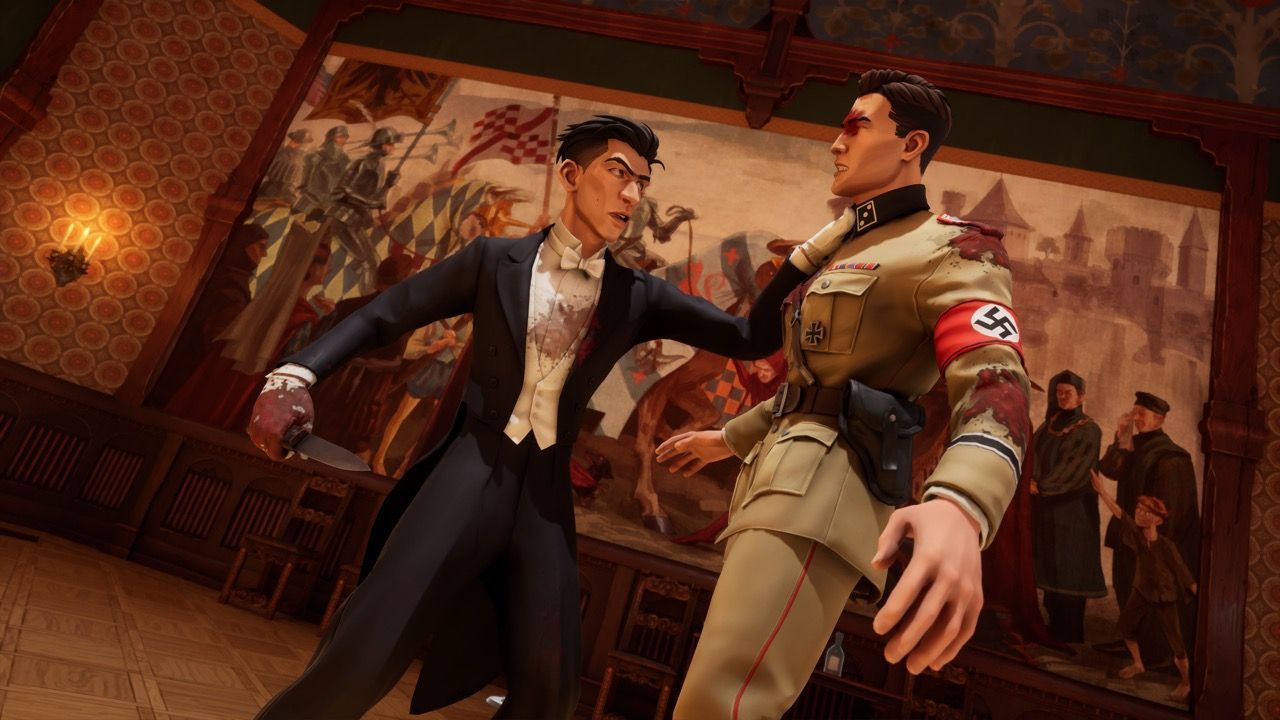
The demo immediately throws the player into a darkly theatrical scenario. The opening scene presents a gathering of the Nazi haut-monde, a line-up of chisel-jawed pigs assembled for a sumptuous dinner, chortling over the inevitability of the Aryan race’s victory. Standing out amidst this grotesque feast is the meek waiter, who caps off the boss’s opening speech by revealing a severed Wehrmacht head beneath a silver cloche. Under your control, this figure proceeds to stab every unarmed Nazi in the room to death.
The developers at ProbablyMonsters later insisted that the game was not political, but the sheer audacity of the setup was undeniable. However, the true fascination lies in the mechanical execution. While the movement and combat felt a little clunky—animations didn’t always blend smoothly, and the action lacked the fluid, dancelike combat reminiscent of titles like Arkham—the game absolutely possesses a unique style.
It is pure grindhouse cinema, brimming with gore and dramatic flair. Every fascist figure is presented as a fountain of impending carnage. The gameplay encourages players to unleash this righteous fury through visceral means: after dispatching enemies, players can select distinct Nazi body parts to act as finishers. As the protagonist, Vano, stumbles over the remains of his foes, the game prompts the player to “desecrate corpse,” turning the act of slaughter into a highly stylized, bloody spectacle.
This aesthetic is further punctuated by cinematic touches. Frame lines on Nekome’s ‘film reel’ become visible as Vano’s violence escalates, suggesting that the game itself cannot contain the sheer, unbridled rage of its protagonist. This style is not accidental; it is a deliberate choice that emphasizes the theatricality of the bloodshed.
What elevates the experience beyond mere brutality is the thematic transplant. The action shifts from Europe to the United States, introducing American fascists and the German American Bund. Vano, a young Romani protagonist whose family was murdered in front of him by senseless Nazi violence, embarks on a quest for vengeance against these figures, smashing up printing presses and battling American forces. The result is a deeply cathartic experience for those who appreciate the dramatic, historical context.
In a time when historical conflicts remain intensely relevant, the game offers a strange, gleeful release. The developers, when pressed about the explicit political commentary, offered a surprising admission: they do not believe the act of slaughtering these historical figures translates into personal regret for the player. It is a masterclass in stylish violence, combining historical horror with an almost operatic sense of spectacle, leaving the player not just entertained, but deeply immersed in a chaotic, visceral narrative.
Buy on Amazon
Credit