New $7 device spots hidden cameras 94% accurate
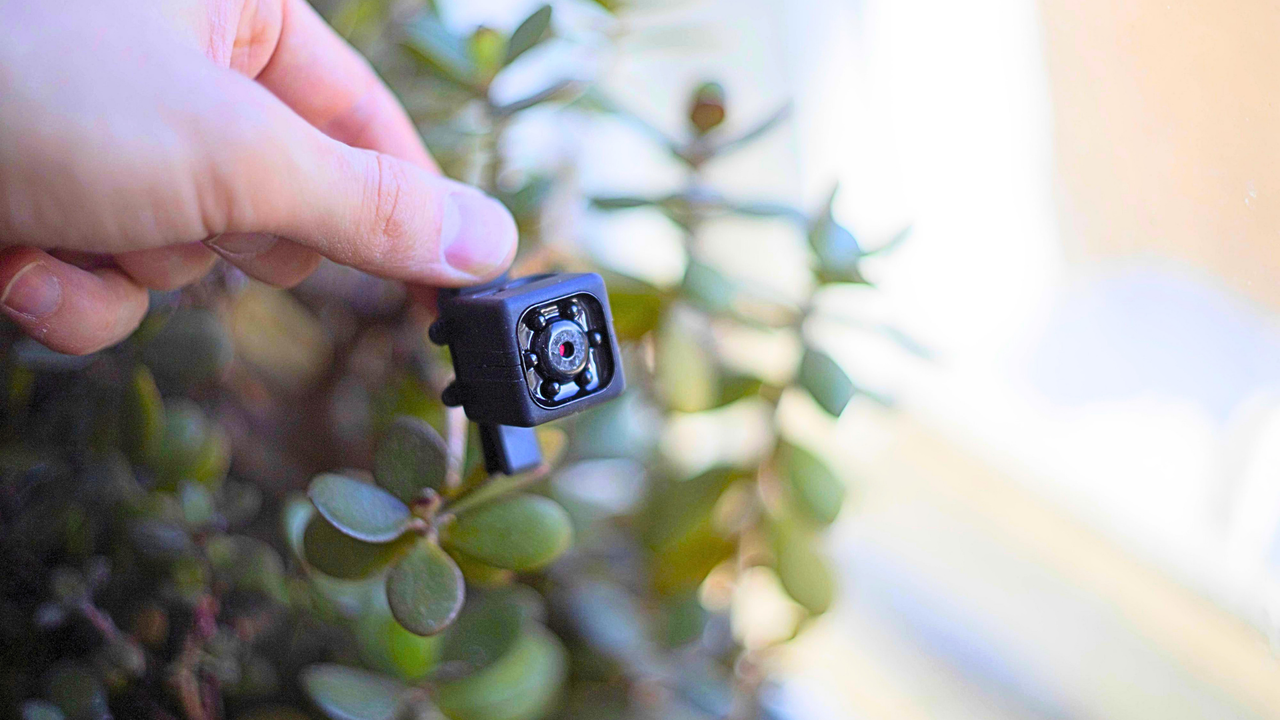
In an age defined by constant connectivity, where privacy often feels like a distant luxury, the battle against hidden surveillance is becoming increasingly urgent. But what if the solution to detecting hidden cameras wasn’t about tedious manual scanning or unreliable infrared detection, but about harnessing the power of artificial intelligence?
A team of researchers from KAIST, collaborating with institutions like the National University of Singapore and Singapore Management University, has developed a groundbreaking solution: a clip-on LED light system dubbed SweepLED. This innovative technology combines physical light manipulation with advanced AI analysis to provide a faster, more reliable way to detect hidden lenses.
The core of the innovation lies in the physical setup. SweepLED uses a small, magnetic LED grid that magnetically snaps onto a smartphone. These lights continuously shift direction, allowing them to detect subtle reflections cast by lenses and sensors embedded in objects. Since most cameras, including hidden ones, possess a unique physical structure, they create a distinctive reflection pattern that the LED grid can reliably pick up.
This physical detection is then amplified by a powerful AI application. The app analyzes the resulting images, instantly distinguishing genuine reflections from background noise. This smart approach bypasses the major drawbacks of traditional detection methods—the need for manual scanning, which often misses subtle details, and the high rate of false positives.
Testing proved the effectiveness of the technology. The team successfully ran SweepLED across thirty different items, achieving an impressive 93.9% detection accuracy. This remarkable performance represents a significant leap forward, offering a highly effective, user-friendly alternative to current privacy-focused methods.
The need for such technology is driven by a growing public concern over pervasive surveillance. Hidden cameras are becoming increasingly prevalent in private spaces, raising serious privacy issues for individuals. This concern is especially acute in regions where public safety and personal security are paramount.
Beyond hidden devices, the digital landscape presents an even broader privacy challenge. With over forty thousand security cameras streaming footage globally, and the proliferation of smart glasses that capture video without consent, the scope of surveillance is immense. This environment naturally raises critical questions about data security and personal freedom.
The development of tools like SweepLED represents a positive step toward empowering users with technological defenses. It transforms a complex security challenge into an accessible solution, reminding us that innovation can be a powerful shield against the encroachments on our personal space.
Buy on Amazon
Credit