Noise and hikes spark data center protests not anti-AI sentiment
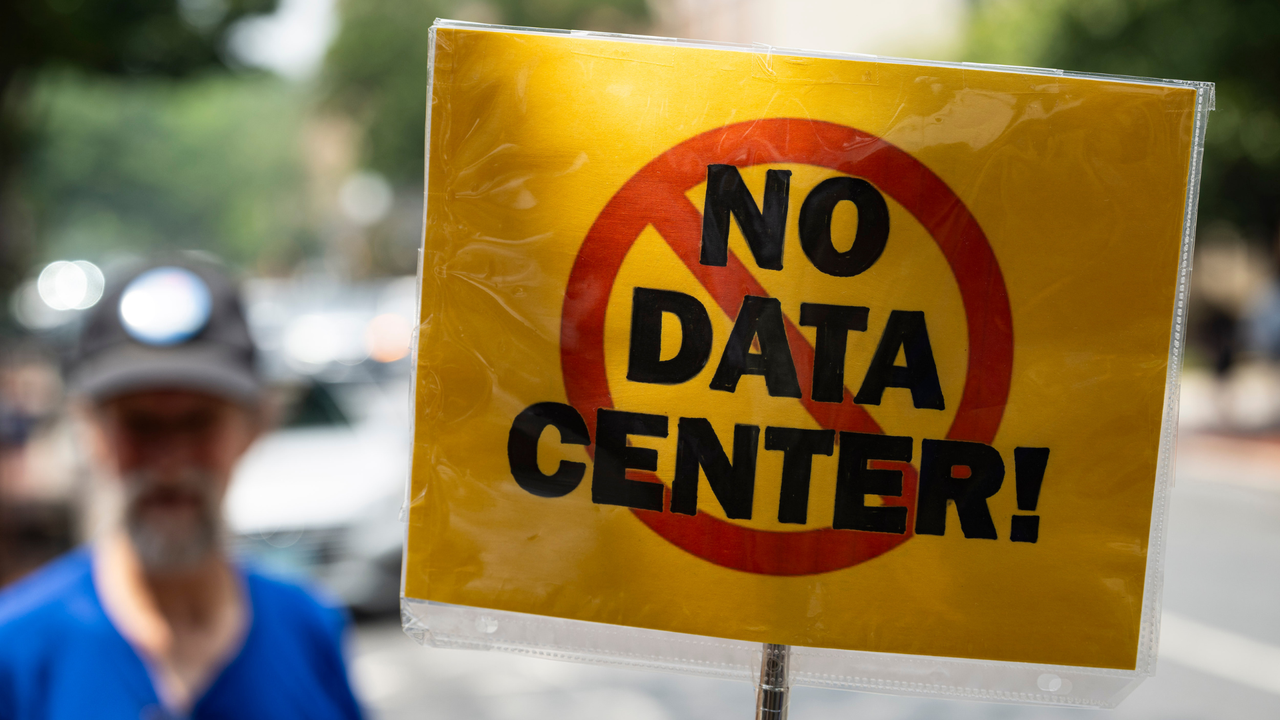
The rise of artificial intelligence and the massive data centers that fuel it has brought a powerful collision between technological ambition and local community concerns across the United States. While big tech companies push for expansion, many communities are growing increasingly resistant, leading to widespread protests, moratoriums, and a desperate push for accountability.
The friction point is not simply about technology; it is about the tangible, “object-level local environmental and economic harms” these massive operations inflict on the surrounding areas. At the heart of the controversy lies the staggering energy demands of these facilities. When data centers require enormous amounts of electricity, they place immense strain on local grids, forcing utility operators to invest billions in infrastructure upgrades. This cost inevitably filters down to consumers, resulting in severe price hikes. In some states, utility bills have seen increases of up to 76 percent due to the energy demands of AI data centers.
The situation has escalated into a political battle over who pays the price. Attempts to mitigate these costs have led to high-level agreements, such as a “ratepayer protection pledge,” aimed at ensuring that the AI companies themselves cover their electricity needs. However, these high-level gestures have proven insufficient to halt the rising costs impacting the average American household.
The resistance is not abstract; it is rooted in specific, observable problems in neighborhoods hosting these developments. Reports have surfaced concerning critical resource usage and pollution. In some areas, excessive water consumption by data centers has led to issues like low water pressure and concerns over contaminated water supplies. Investigations have been launched into cases where water discharges have impacted local reclamation systems, prompting regulatory action.
Beyond environmental concerns, the noise and air pollution generated by 24/7 operation have also drawn fierce scrutiny. Residents have raised legal challenges over noise pollution, with some facilities facing fines for violating industrial noise ordinances. Furthermore, large-scale power plants dedicated to fueling these centers are raising alarms about their contribution to overall carbon emissions.
This conflict extends into the legal arena, as developers increasingly push back against local restrictions. Facing moratoriums and bans, some developers are now suing local jurisdictions, alleging that local demands exceed their authority and violate due process. This dynamic has created a tense standoff where the pursuit of technological expansion clashes directly with the rights and well-being of local residents.
As the demand for AI infrastructure continues to surge, the challenge for policymakers is clear: finding a way to reconcile the immense economic and technological opportunities of data center expansion with the fundamental responsibility of protecting local environments and ensuring fair costs for the communities that host them. The resulting debate underscores a crucial question: how do we manage the inevitable friction between the demands of the digital age and the needs of the physical world?
Buy on Amazon
Credit