Notebook graphics dominate as discrete GPU sales hit record
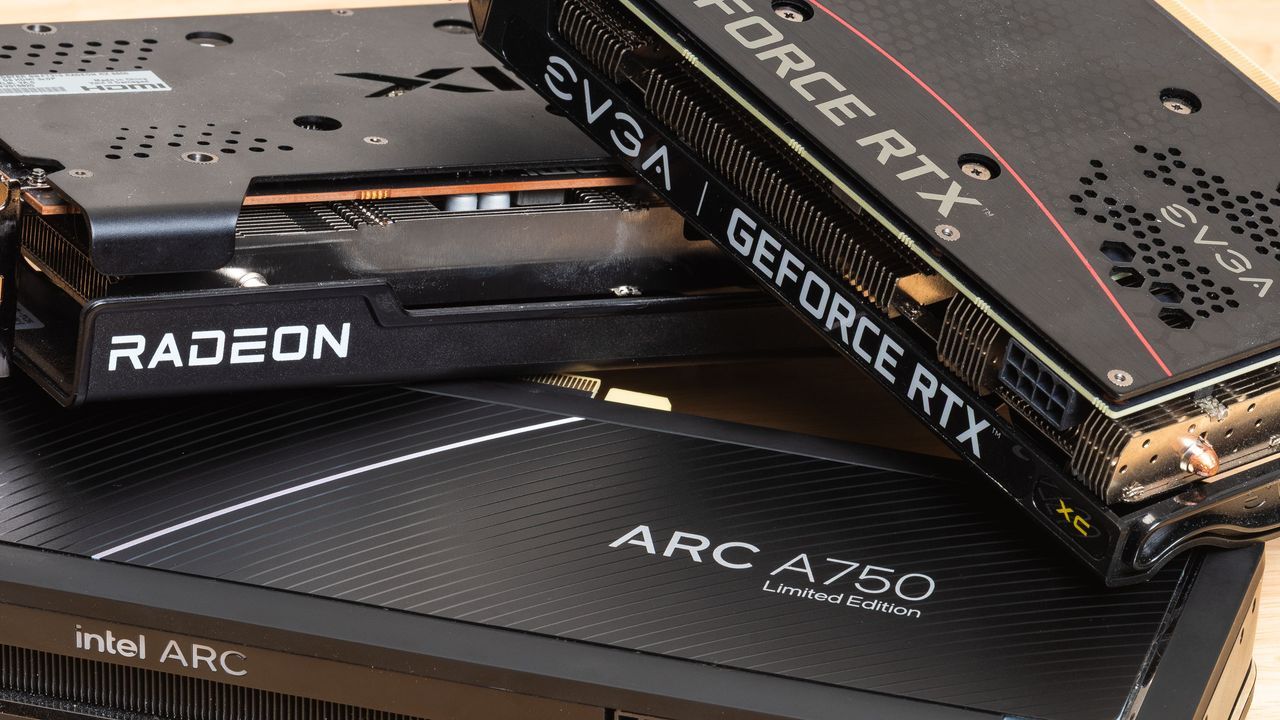
Amid a backdrop of soaring component prices and constrained demand for traditional desktop PCs, the market for consumer graphics processors defied the odds in the second quarter of 2026. While the overall PC CPU market experienced a modest contraction, the demand for discrete graphics units remained remarkably resilient, signaling a powerful shift in how consumers are building and upgrading their systems.
This trend was particularly pronounced in the world of mobile computing. Total shipments of integrated and standalone GPUs for desktops and laptops reached 75.5 million units, showing a healthy 10.4% sequential increase and a 1.1% year-over-year rise. This growth was overwhelmingly fueled by notebooks, which saw a spectacular surge of 16.8% in GPU shipments, suggesting that portable gaming and productivity setups were the primary drivers of demand.
Despite the general slowdown in desktop unit shipments, the discrete GPU market demonstrated vigorous growth. Unit shipments for standalone graphics processors increased by 12.2% sequentially and 14.1% year-over-year. This indicates that even as overall PC sales cooled, consumers were actively investing in the graphics power required for demanding applications, whether on the go or at home.
The resilience of the GPU market, even when component costs were skyrocketing, points to a fundamental demand for graphical capability. While the exact driver—whether it was dedicated gaming demand, the rise of high-powered mobile gaming laptops, or simply the sustained appetite for visual performance—remains multifaceted, the growth figures confirm that the appetite for cutting-edge visual technology has not wavered.
The competitive landscape among the major chip manufacturers reflected this dynamic. Intel maintained its leadership position with a 56% market share, bolstered by its continued strong performance in consumer CPU shipments. Nvidia followed closely with a 23% share, leveraging its dominance in discrete GPU manufacturing. AMD emerged as a formidable force, capturing 21% of the market, a significant gain of seven percentage points year-over-year as its consumer CPU sales also climbed.
This growth in AMD‘s market share highlights a successful strategy in the competitive graphics arena. The overall picture is one where specialized component demand successfully navigated global supply chain turbulence, positioning the graphics market as a vibrant and growing segment, driven by the persistent desire for high-performance visual experiences.
Credit