Nova Lake CPU launch schedule leaks Q4 production 2027
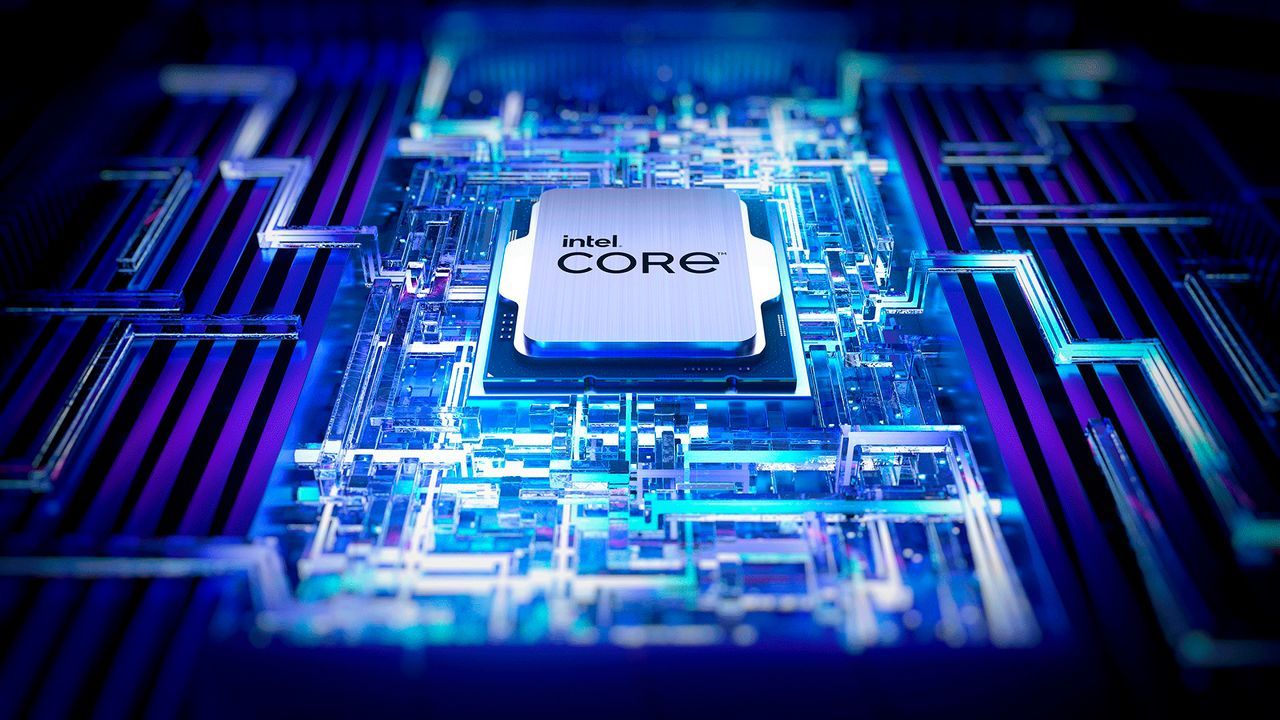
Intel Unveils the Nova Lake-S: A Monster Leap for Desktop CPUs
The high-performance computing world is buzzing with anticipation for Intel’s next major desktop launch: the Core Ultra 400-series ‘Nova Lake-S‘ CPU platform. This isn’t just an iteration; it’s positioned as Intel’s most ambitious desktop unveiling in years, promising to redefine performance benchmarks and set the stage for the next generation of gaming and professional applications.
Rumors suggest this new architecture packs serious firepower. Reports indicate the range-topping processors could feature up to 52 cores, alongside massive memory bandwidth capabilities, including up to 288 MB of bLLC cache, which could give Intel a significant edge in memory-intensive workloads.
While the road to mass production is being meticulously planned, the timeline is ambitious. Intel is reportedly aiming to start mass production of the Nova Lake-S CPUs in the fourth quarter of 2026. However, the rollout is staggered: the initial release will focus on a 28-core SKU in the first quarter of 2027, with the truly flagship 52-core model expected later in the year, potentially between late May and September 2027.
Under the hood, the Nova Lake-S is built on a fascinating core structure. It is expected to utilize up to 16 all-new high-performance Coyote Cove cores, complemented by up to 32 energy-efficient Arctic Wolf cores, plus four low-power Arctic Wolf cores, creating a diverse and powerful processing unit.
The focus on cache is another key differentiator. Even though some of the performance is tied to shared resources, the inclusion of 288 MB of bLLC cache is Intel’s strategic move to fight for dominance in memory-bandwidth-hungry applications, aiming to challenge competitors in the intense world of gaming CPUs.
Beyond raw core count, the I/O capabilities of the Nova Lake-S are equally impressive. These processors will support a dual-channel DDR5 memory subsystem, supporting speeds up to DDR5-8000 modules. Furthermore, the architecture promises robust connectivity with up to 24 PCIe 5.0 lanes directly from the CPU, allowing for massive data throughput, including split graphics lanes and extensive SSD support.
To support this powerhouse, the new platform requires a fresh foundation. The Nova Lake processors will utilize the new LGA1954 socket and feature Intel‘s new 900-series chipsets, ensuring a seamless and modern upgrade path for enthusiasts and professionals alike.
Looking further down the road, Intel has mapped out a future roadmap, with Razor Lake and Hammer Lake processors slated to succeed the Nova Lake-S sometime after the fourth quarter of 2027. This ambitious trajectory signals a commitment to continuous innovation, cementing Intel‘s position at the forefront of the evolving CPU landscape.
Buy on Amazon
Credit
