Nvidia denies shipping Groq LPUs to China no China product planned
The world of AI chips is rife with rumors, but when it comes to Nvidia and the complex geopolitical landscape of China, the truth often proves more complicated than the hype. Recently, reports surfaced suggesting Nvidia planned to begin small-batch shipments of a specialized language processing unit (LPU) tailored for Chinese customers by the end of 2026, with orders already placed. The company quickly stepped in to clear the air, firmly rejecting these claims.
An Nvidia spokesperson addressed the reports directly, stating that the reporting regarding an LPU sales strategy in the China market is incorrect. They clarified that there are currently no LPU sales in China, nor is there a China-specific LPU product currently in their roadmap. This denial signals a clear separation between the broader AI chip strategy and specific regional deployments.
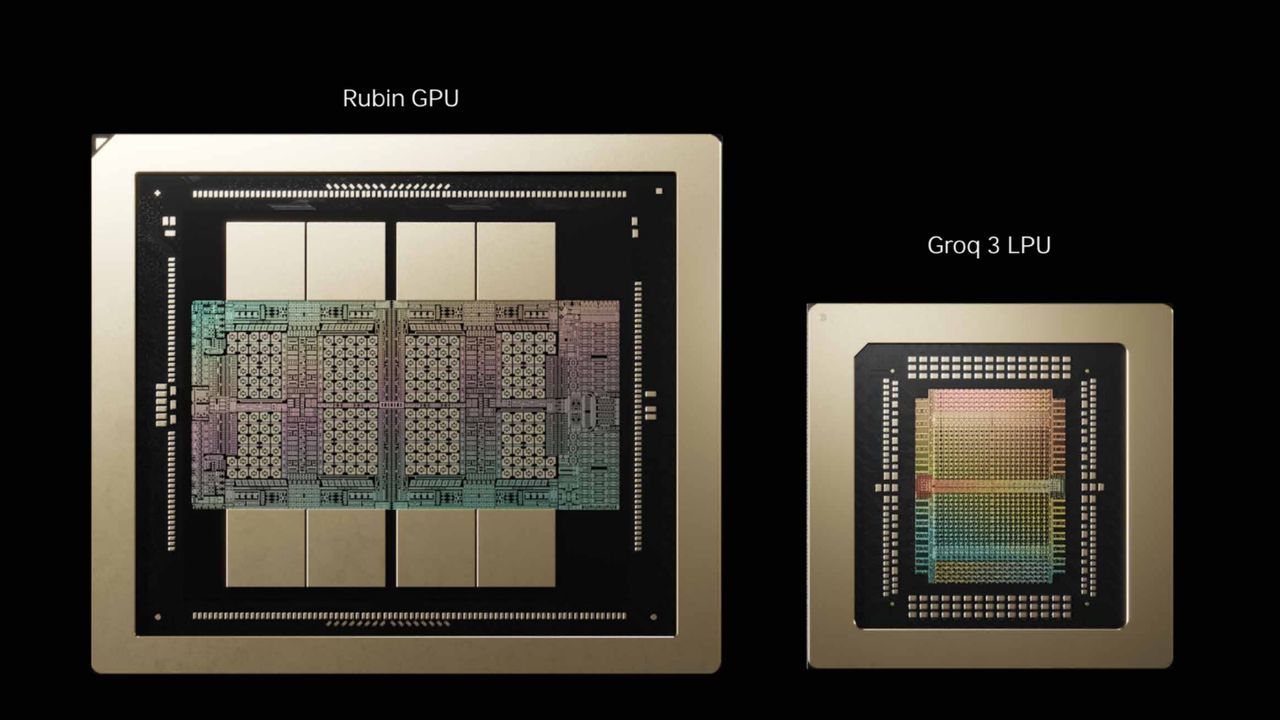
The technology at the heart of the discussion is the Groq 3 LPU, a specialized decode co-processor designed for the Vera Rubin platform. This accelerator is fundamentally different from the standard GPU and is engineered to run alongside existing processors available in the region. Nvidia explained that the LPU’s silicon remains unchanged because it already complies with existing U.S. export rules.
What makes this exportable? The LPU is an SRAM-only decode accelerator, meaning it lacks an HBM stack. This specific design allows the chips to be exported under current U.S. compliance thresholds without requiring a cut-down SKU, a clever technical loophole that bypasses some restrictions.
Despite Nvidia‘s clarification, the implications for the market are vast. While the LPU itself may have technical export flexibility, the broader environment is dictated by geopolitical constraints. Previously, Chinese officials had blocked purchases of the H200 chips, though import permits were recently loosened for some H200 shipments.
The competitive scene is heating up as rivals make their own moves. Huawei, for example, is developing a direct competitor with its Ascend 950DT, which is targeted for delivery in late 2026. This competitor is optimized for decode and training, and while Nvidia focuses on the LPU, Huawei is pushing its own NPUs to capture market share.
Meanwhile, demand for standard accelerators remains high. Recent reports indicated that major players like ByteDance and Tencent have recently taken delivery of approximately 10,000 H200 chips, marking a significant volume of Nvidia’s accelerators entering the mainland Chinese market for the first time since December’s U.S. approval.
Ultimately, the story of advanced AI hardware and global trade is a careful balance of engineering capability, internal corporate strategy, and shifting international regulations. As Nvidia navigates these complexities, the path forward for specialized AI silicon and global semiconductor flow remains a fascinating, tightly regulated puzzle.
Buy on Amazon
Credit