Nvidia employee detained in Taiwan over chip smuggling
The High-Stakes Hunt: Inside Taiwan’s AI Chip Smuggling Probe
In the highly competitive and volatile world of artificial intelligence hardware, the invisible supply chains are often more scrutinized than the chips themselves. Recently, legal action has entered this high-stakes game, with the Taiwanese authorities launching a significant investigation into suspected falsification of business documents related to the illicit movement of advanced AI chips.
The operation began when the Keelung District Prosecutors’ Office detained a man surnamed Chang on suspicion of these financial offenses. Investigators conducted searches of his home and workplace on July 24, linking him directly to the ongoing inquiry into AI chip smuggling that was first opened in May.
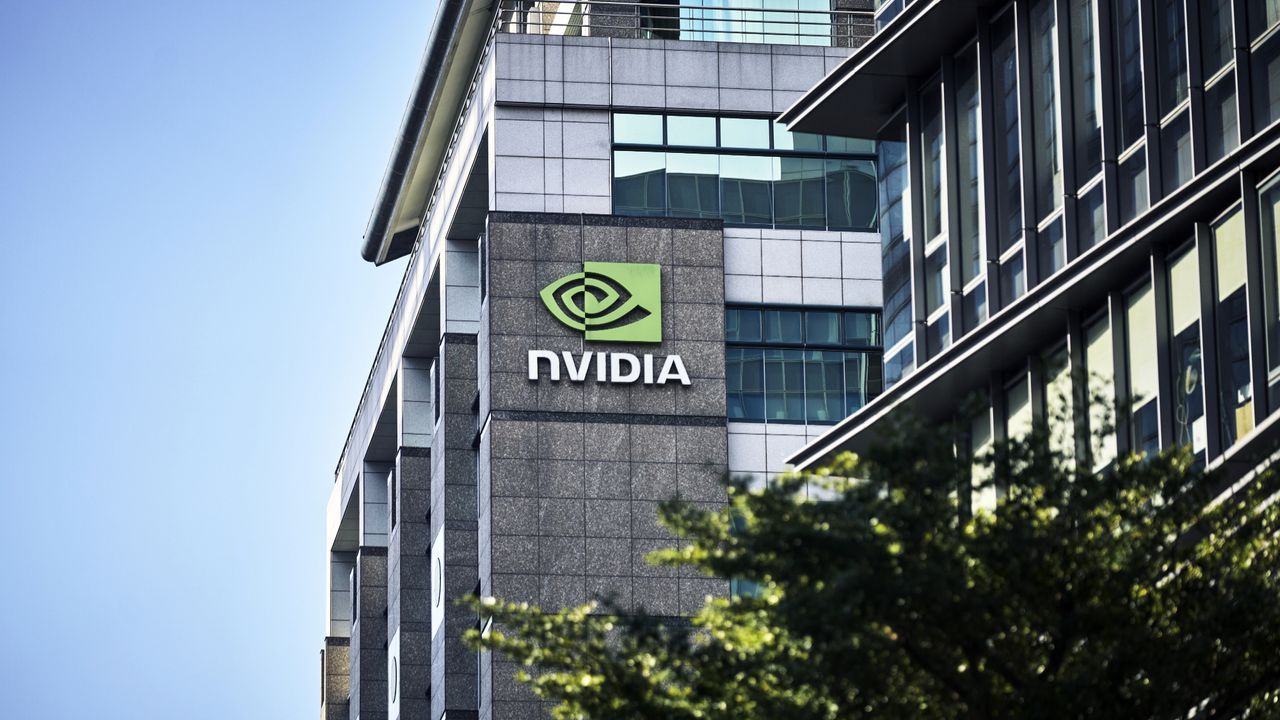
This detention is particularly notable because it represents the first known legal action taken against an employee of Nvidia in a case involving the diversion of chips. The investigation focused on Chang’s professional life, including searching his desk at the company’s Taipei office, underscoring the gravity of the situation for the tech giant involved.
While prosecutors strongly suspect Chang of these offenses, citing risks of flight, destruction of evidence, and collusion with witnesses, they have refrained from directly accusing Nvidia itself of wrongdoing. This distinction is key: Taiwan does not treat the unauthorized export of AI chips to China as a standalone crime; instead, the focus of these detentions has centered on fraud accusations concerning shipping declarations.
The complexity of this matter stems from the intricate global trade landscape surrounding advanced semiconductors. The scrutiny extends far beyond the immediate case, touching upon broader geopolitical tensions and export controls. Entities like Huawei and SMIC have been added to the International Trade Administration’s strategic high-tech commodities entity list, requiring government approval before Taiwanese companies can ship to them.
Taiwan is actively navigating this complex environment by weighing performance-threshold controls modeled after Washington’s rules. Consultations with the U.S. are underway to bring advanced chips under regulation without setting an immediate timeline, signaling a proactive effort to manage the flow of critical technology.
Meanwhile, the high-speed race for semiconductor dominance continues across the Pacific. Nvidia, for instance, has publicly maintained that product sales adhere strictly to U.S. export control rules, asserting that any diverted products would lack necessary service and support.
The regulatory landscape is constantly shifting. While legal proceedings continue to build the case out of the Criminal Code, the underlying economic pressures—such as soaring prices for components like the A100 servers in China’s domestic gray market—ensure that this technological frontier remains a demanding arena for legal and international oversight.
Buy on Amazon
Credit
