Nvidia GPU prices jump past flagship MSRP
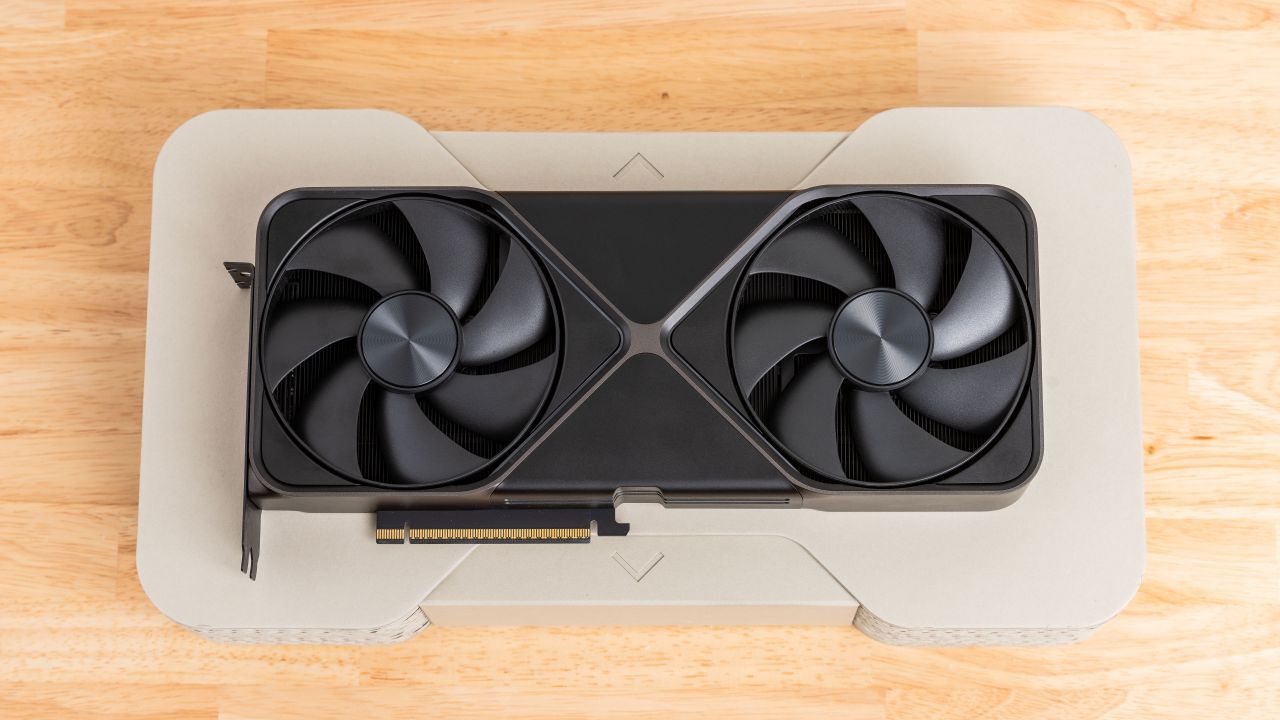
The GPU Price Reality: Why High-End Graphics Cards Are More Expensive Than Ever
If you were bracing yourself for a return to MSRP on high-end graphics cards, prepare for a letdown. The latest models from Nvidia, specifically the RTX 5080 and RTX 5090, are stubbornly clinging to prices significantly above their initial launch targets, creating an expensive reality for enthusiasts and builders alike.
This isn’t just about a slight bump; it’s a dramatic gap between the official suggested retail price and what consumers are actually paying. For example, premium partners are commanding substantial markups. The Asus ROG Astral RTX 5080 is currently listed at $2,099.99, a staggering $600 over its original MSRP of $1,499.99. Meanwhile, the flagship RTX 5090 has seen even steeper increases; listings for cards like the Asus ROG Astral RTX 5090 have reached $4,329.99, more than $1,500 above its starting price of $2,799.99.
The premium gap is particularly noticeable on custom, high-end models from partners like MSI. The MSI Gaming Trio RTX 5090 has also seen a significant jump, reaching $4,299.95—a massive increase compared to its introductory pricing.
However, not all cards are suffering the same fate. There is still room for mainstream options, where some manufacturers are selling models closer to Nvidia’s MSRP. For instance, the Zotac RTX 5080 Solid OC is available for $1,249.99, and PNY’s version is listed at $1,256.99 at Best Buy.
So, where is the money going? The escalating prices are less about simple retail margin and more about complex shifts in the semiconductor landscape. One major factor stems from Nvidia’s decision to discontinue the Observed Pricing Program (OPP). This incentive scheme had helped manufacturers keep prices near suggested retail. Without it, partners have been left absorbing higher production costs.
Compounding this issue are external market pressures. The soaring demand for AI hardware has put tremendous strain on the supply chain, and rising prices for essential components like GDDR7 memory—critical for these new cards—have pushed overall production costs skyward.
Nvidia is simultaneously prioritizing the production of higher-margin products and specialized AI hardware, which naturally tightens the supply of certain gaming GPUs. This dynamic means that while demand remains fierce, supply constraints are amplifying the price hike.
For potential buyers, this paints a challenging picture for those waiting on top-tier cards. While the Founders Edition models remain the closest to official pricing, they are often difficult to find due to high demand. Customers are forced into a tough choice: pay a hefty premium for custom flagship cards or settle for more affordable, though perhaps less exclusive, alternatives.
Ultimately, while the technology continues to advance at an incredible pace, the current market is showing that the cost of cutting-edge graphics processing power is no longer fixed. Consumers should expect that waiting for those highly sought-after premium RTX 50-series cards to return to MSRP may take considerably longer than anticipated.
Buy on Amazon
Credit