Nvidia H200 shipments enter China for ByteDance and Tencent
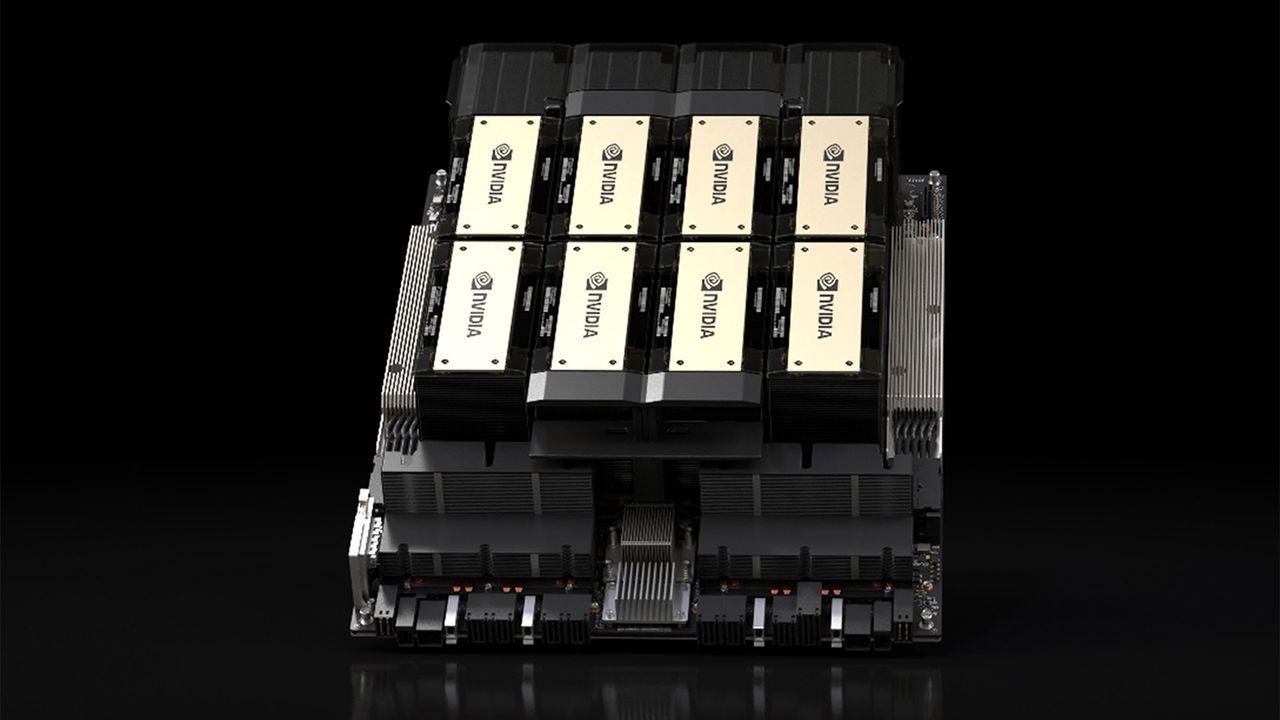
The race for cutting-edge artificial intelligence hardware has turned into a complex geopolitical game, pitting massive global technology giants against China’s ambitions for technological self-sufficiency. At the heart of this tension are the Nvidia H200 accelerators, powerful chips that have become the coveted bottleneck for AI development.
In a recent development, major players like ByteDance and Tencent secured deliveries of approximately 10,000 Nvidia H200 units. This movement is significant because it signals the first tangible flow of these advanced chips into mainland China since US President Trump approved export licenses in December.
The deal itself involved a calculated trade-off: the US permitted exports to approved Chinese entities, contingent on a 25% fee to the US Treasury. Yet, despite these official clearances, the actual flow of these high-demand components is severely managed. Every purchase requires lengthy, case-by-case approval from China’s National Development and Reform Commission, effectively creating a blockade that controls the market.
While Nvidia reportedly holds a substantial stockpile of these chips built for Chinese customers, the ability to move them is tightly regulated. This situation has led to a stark realization for investors: even with permission, the market share remains largely inaccessible for the mainland.
Beyond the bureaucratic hurdles, the challenge extends far beyond simple logistics. The infrastructure required to support these powerful AI chips is simply not in place. A single H200 server demands considerable power—up to 10 kilowatts—creating a massive demand for grid capacity.
The existing data center infrastructure in regions like Hong Kong, while substantial, cannot currently house the necessary capacity to deploy these advanced systems efficiently. This physical mismatch means that even when chips successfully move across borders, the ability to fully utilize them is severely constrained by physical limits and infrastructure gaps.
This logistical dilemma highlights a crucial reality: while Chinese labs are increasingly working with domestic accelerators, there is still a reliance on Nvidia hardware for training the most frontier AI models. Efforts to shift training to domestic hardware, such as Huawei’s Ascend chips, demonstrate a push for self-reliance.
Ultimately, the complexity of the H200 supply chain underscores a broader trend. The struggle to access and deploy these technologies not only defines the immediate fate of the AI chip market but also dictates the long-term trajectory of China’s semiconductor independence and technological dominance.
Buy on Amazon
Credit
