Nvidia reveals how Sega’s $5M investment saved them in a partnership comeback
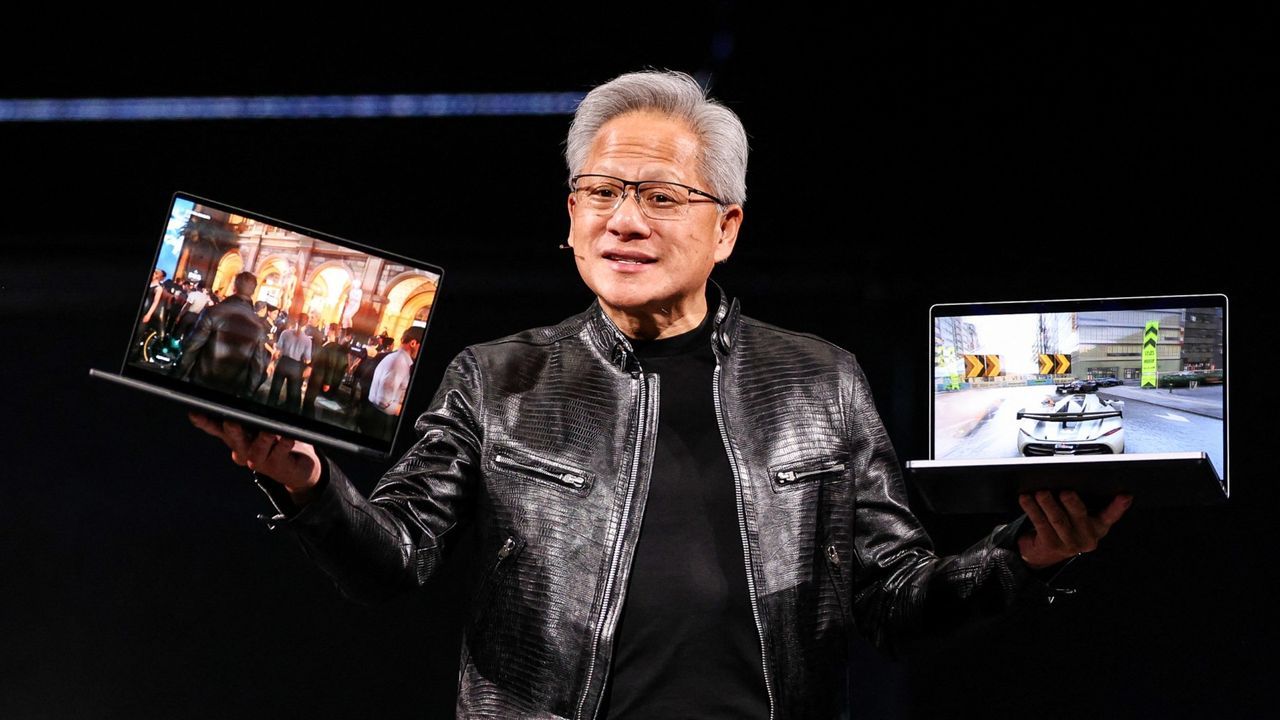
When you look at the current landscape of technology, where NVIDIA sits as the undisputed king of AI and graphics processing, it’s easy to forget that this empire was built on a foundation laid decades ago by classic gaming history. Just recently, CEO Jensen Huang offered a fascinating glimpse into those origins, revealing how an early partnership with one of Japan’s gaming giants not only shaped NVIDIA but perhaps even saved the company.
The latest insight came during a recent event where Huang celebrated the enduring thirty-year relationship between NVIDIA and Sega. It turned out that this seemingly nostalgic celebration was actually a lesson in corporate resilience, showcasing how an initial investment played a pivotal role in the trajectory of one of the world’s most valuable tech companies.
NVIDIA’s journey began in 1993, focusing on creating GPUs to power the burgeoning world of 3D gaming. At that time, finding real-world applications for these powerful graphics was challenging; the only place to truly showcase them was in arcades. Games like Daytona USA arrived in North American arcades in 1994, and it was there that the NVIDIA team became obsessed with the experience of “beautiful 3D graphics and incredible sound.”
This early passion set the stage for a pivotal collaboration. When NVIDIA sought to develop the GPU for Sega’s next major console, the Dreamcast, things took an unexpected turn. While the partnership aimed to create a powerhouse combination, technical challenges arose when the companies realized their approaches differed significantly—NVIDIA focused on forward texture mapping and curved surfaces, while the Dreamcast required inverse texture mapping and polygons.
This realization nearly derailed the project. As Huang recounted, both parties recognized that the technical paths were incompatible. However, instead of walking away, the two organizations found a way through mutual understanding. They agreed to part ways on the immediate Dreamcast collaboration, but this period taught them valuable lessons about partnership and necessity.
When NVIDIA faced financial uncertainty, Jensen Huang leveraged this history, seeking an investment package from Sega and the Japanese government. This support proved to be critical. Huang suggested that without that early backing, he acknowledges that the company likely wouldn’t exist today.
Today, NVIDIA’s dominance is rooted not just in groundbreaking hardware, but in an understanding of the power of collaboration and strategic investment spanning three decades. The success of AI-focused GPUs, which currently make NVIDIA the world’s most valuable company, stands on the shoulders of that initial gaming partnership.
The story of NVIDIA and Sega is a compelling reminder that even amidst rapid technological shifts—from arcade graphics to AI revolution—the enduring strength of a company lies in its history, strategic vision, and the relationships it builds along the way.
Buy on Amazon
Credit
