Nvidia revenue $96B, memory commitments $160B fuel AI inflection point
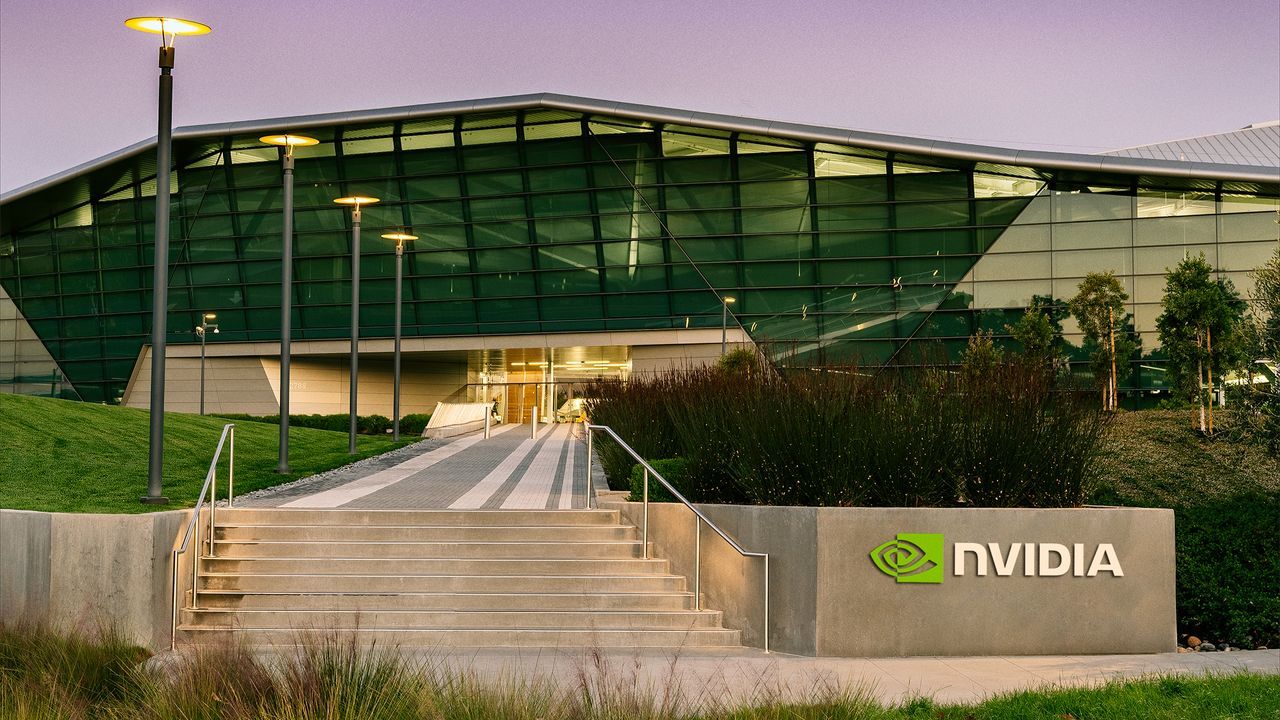
The world of artificial intelligence is not just evolving; it is roaring, and at the center of this seismic shift stands Nvidia. The company is not just reporting results; it is setting new benchmarks, consistently delivering record performance that eclipses all previous quarterly achievements. This recent financial performance underscores the explosive, unrelenting demand for Nvidia’s specialized AI hardware.
For the second quarter of fiscal year 2027, Nvidia reported GAAP revenue of $96.221 billion. This massive figure reflected an impressive 106% increase year-over-year and an 18% jump sequentially, a testament to the accelerating appetite for AI infrastructure. The underlying strength is evident across the board: net income soared by 126% year-over-year, and the gross margin reached 75.0%.
The demand isn’t confined to a single market. Sales of Compute & Networking hardware hit $88.299 billion, up 114% year-over-year, while graphics hardware sales also saw a robust 46% rise. This growth is fueled by hyperscalers and major enterprises, who are pouring billions into building the foundational infrastructure necessary to power the next generation of AI agents.
At the heart of this expansion is a profound recognition: AI has reached its inflection point. As CEO Jensen Huang noted, “AI is doing useful work. Its tokens are productive and profitable. Now, compute is revenue. And demand is accelerating.” This philosophy is driving Nvidia’s strategy, positioning compute power not just as a product, but as the fundamental engine of the modern digital economy.
The scale of this demand necessitates equally massive commitments from the supply chain. To meet future needs, Nvidia has committed to procuring memory worth up to $160 billion, including a major multi-year supply agreement with SK hynix. This commitment signals the profound dependency of the entire AI ecosystem on stable memory supply.
However, the logistics of this growth present an immense challenge. While demand is skyrocketing, Nvidia acknowledges that the supply chain remains a critical bottleneck. The company expects demand to double next year, but management notes that supply can currently support only about 70% of that growth. Consequently, the $279 billion in long-term purchase commitments is viewed less as precautionary inventory-building and more as a strategic move to guarantee shipment growth.
Looking ahead, the outlook remains incredibly optimistic. Nvidia projects revenue of approximately $108 billion for the third quarter of fiscal year 2027. The message is clear: the buildout of AI infrastructure is at full steam, and while the journey ahead involves navigating supply constraints, the trajectory for the AI revolution remains unstoppable.
Buy on Amazon
Credit