Nvidia Rubin soaks up NAND supply via AI servers
The digital world is currently being fueled by an almost unimaginable appetite for data, driven by the relentless expansion of artificial intelligence. And if there is one commodity that is poised to absorb this hunger like a sponge, it is memory—specifically, the NAND flash storage that powers modern computing.
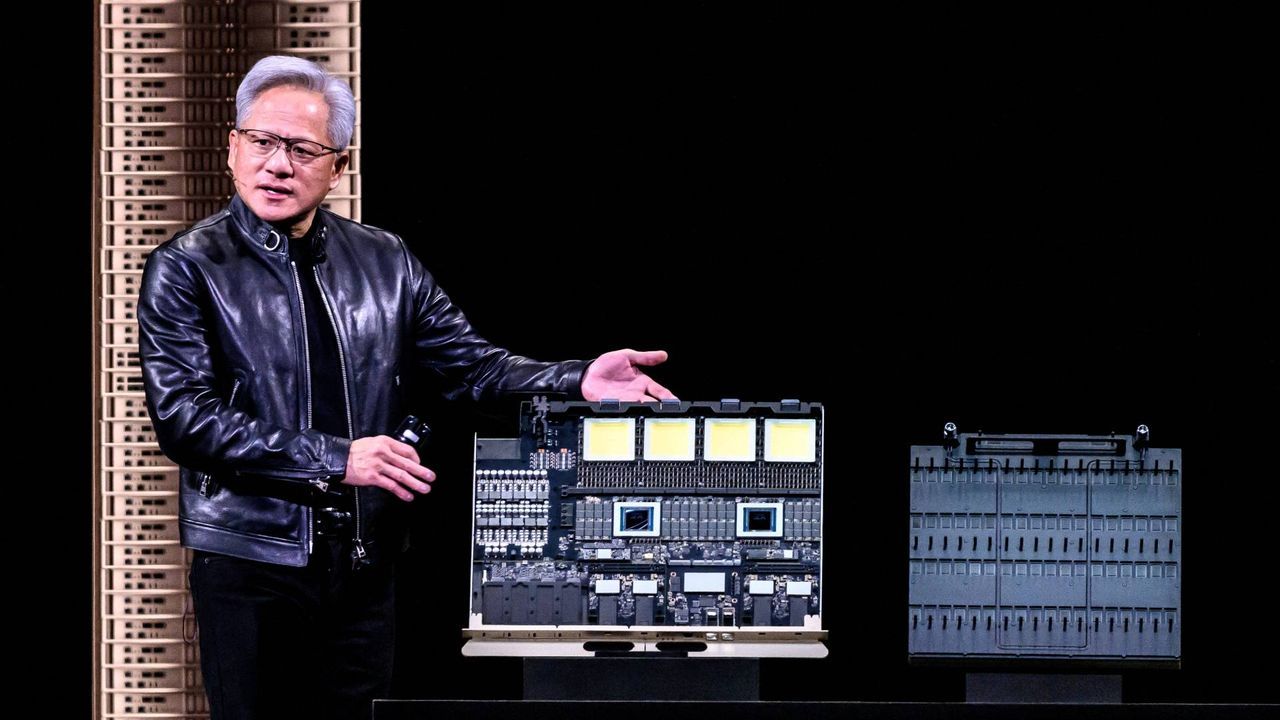
While the general market buzzes about supply chain issues and potential price hikes in consumer electronics, a far more dramatic demand surge is unfolding deep within the data center. The catalyst? Nvidia’s new Context Memory Storage (CMX) technology, which is set to debut with their Rubin servers later this year.
This isn’t just another piece of hardware; it represents a fundamental shift in how AI processes information. CMX acts as a revolutionary layer between high-bandwidth memory and massive storage, designed to feed the immense computational demands of AI accelerators. To understand the scale of this demand, one must look at the sheer capacity required.
Nvidia’s Rubin CMX architecture is equipped with 576 SSDs, providing a staggering total storage capacity of 9,600 terabytes. This technological leap isn’t just theoretical; it translates directly into an explosive need for underlying storage components.
Industry analysts are predicting that the demand for NAND required to support CMX will skyrocket dramatically. Estimates suggest this demand will surge from 35 million terabytes this year to more than 100 million terabytes by next year, illustrating the critical bottleneck being created across the supply chain.
In essence, Nvidia’s CMX is set to literally soak up NAND supply, creating an unprecedented logistical challenge for manufacturers. This demand shift means that while high-level memory and DRAM markets are already experiencing intense competition, the focus is now squarely on securing massive quantities of storage capacity to power the AI revolution.
For major players like Samsung, this development positions them as pivotal suppliers in an era defined by AI infrastructure. They are at the center of a supply chain where cutting-edge silicon meets staggering data requirements.
While some industry voices express concern over potential consumer price hikes, the current focus remains heavily weighted toward serving the massive contracts generated by the AI sector. The immediate priority is ensuring that these next-generation systems have the necessary storage capacity to function effectively.
Buy on Amazon
Credit
