Nvidia supplier raid exposes China PCB fraud risk of 40% tariffs
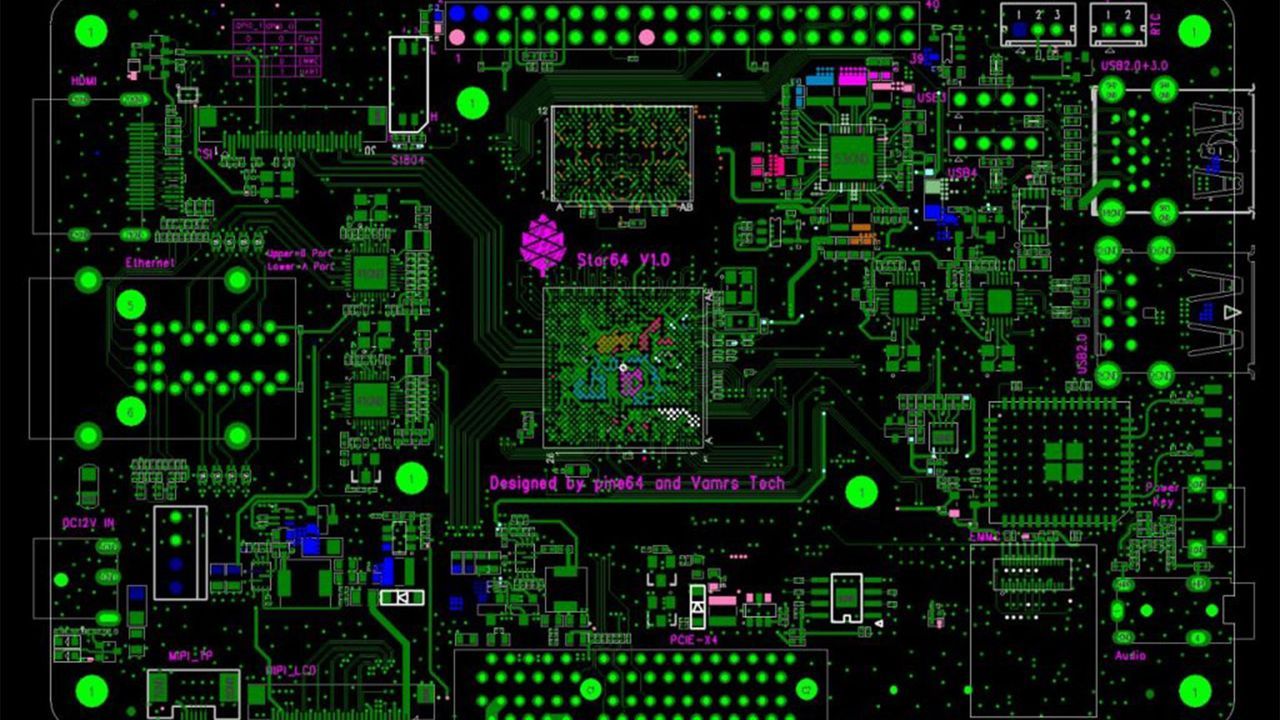
The Hidden Cost of Origin: Taiwan’s Supply Chain Under Scrutiny
A major player in the global semiconductor supply chain is facing a significant investigation, thrusting the delicate balance of international trade and corporate transparency into sharp focus. Unimicron, one of the world’s largest manufacturers of PCB and chip substrates, has become the subject of a probe by Taiwanese prosecutors over allegations of deliberately mislabeling goods to obscure their true origin.
The controversy centers on claims that Unimicron shipped China-made PCBs back to Taiwan and then deceptively relabeled them as Taiwanese products. This practice, if proven, touches upon serious violations of Taiwan’s Criminal Code regarding the use of forged documents and false labeling of goods.
In a move that signaled the gravity of the matter, prosecutors initiated a raid on the company’s headquarters and manufacturing facilities in Taoyuan and Zhongli Districts. During the operation, investigators questioned 14 employees, including the general and deputy general managers overseeing the company’s PCB business, alongside several witnesses.
While the investigation targets the alleged wrongdoing, the company has firmly stated its cooperation with authorities, assuring the Taiwan stock exchange that it anticipates no material impact on its ongoing operations. Several key executives, including the general manager of the PCB department, were released on bail, underscoring the judicial process currently underway.
The stakes extend far beyond Taiwan. The issue highlights a broader global concern regarding “origin washing”—the practice where companies falsely claim goods originate in a specific country to gain preferential trade benefits. Taiwan, as a key manufacturing hub, is keen to demonstrate that it actively polices the distinction between goods made locally and those manufactured elsewhere.
This scrutiny is amplified by international trade enforcement. U.S. Customs and Border Protection has already implemented severe penalties, including an additional 40% tariff, on goods determined to have been transshipped through third countries to evade duties. This action directly impacts any products that flow into the American market, potentially holding Unimicron’s American customers as importers of record.
The value of the “Made in Taiwan” label is deeply tied to its integrity. If the investigation reveals that goods were deliberately moved and relabeled to circumvent trade rules, it directly challenges the legitimacy of that label, which is meant to serve as a valuable trade asset. The pursuit of this case is a clear effort to ensure that trade policies are upheld and that the true source of manufacturing is transparent.
Buy on Amazon
Credit