Nvidia update breaks overclocking Nifty lets you hit 700W
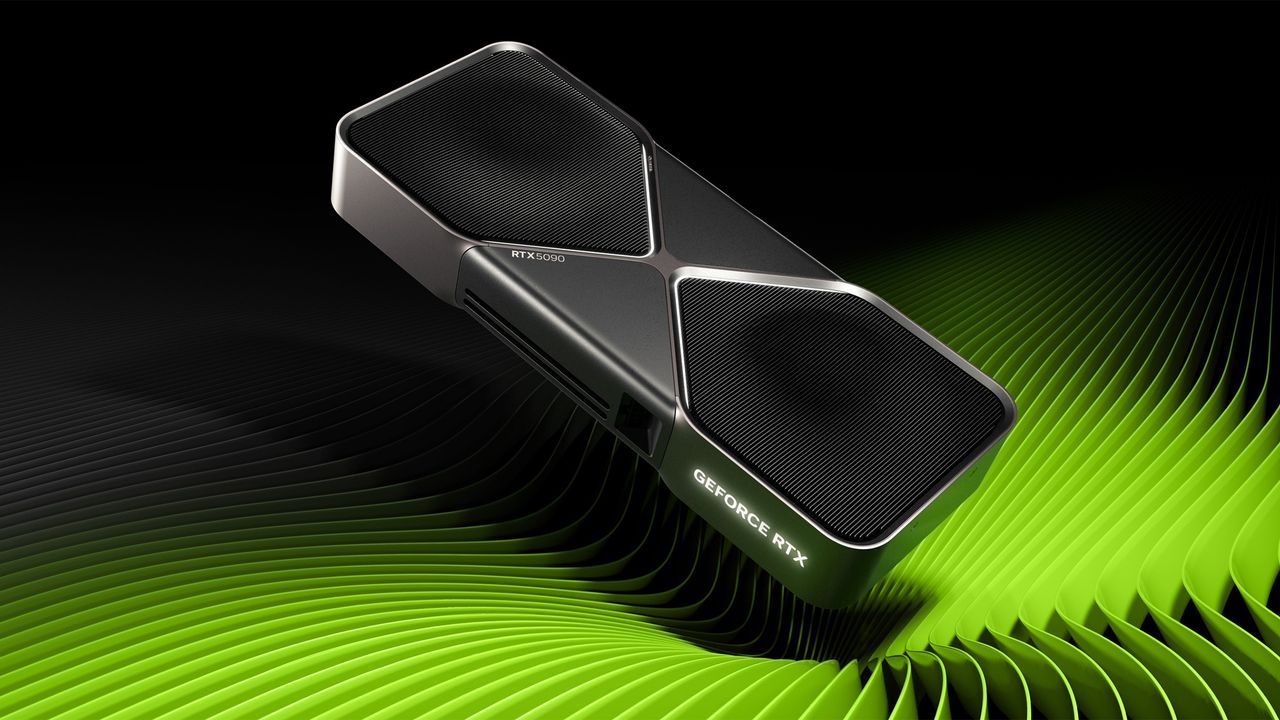
The pursuit of performance in the world of high-end graphics cards often means pushing silicon past its comfortable limits. With the arrival of Nvidia’s current-generation Blackwell family, enthusiasts have been eager to unlock every ounce of potential, and specialized software has offered a way to demand more power from these powerful GPUs. This quest for ultimate performance was often spearheaded by tools like mVolt+, an application designed to allow users to overclock their cards beyond the standard, manufacturer-set boundaries.
mVolt+ offered something mainstream utilities simply couldn’t: granular control. Unlike standard overclocking tools, this software bypassed typical driver restrictions, giving users the ability to meticulously tweak separate power targets for the core and memory channels. Users could fine-tune voltage and clock offsets for the Core, XBAR, SYS, and VRAM, allowing them to manipulate power flow across the interconnects and video encoders—a level of control usually reserved for those diving deep into VBIOS or physical PCB modifications.
The results of this advanced tuning were staggering. Enthusiasts demonstrated that pushing these limits yielded impressive power consumption, with some systems reportedly drawing between 650W and 700W while gaming, dramatically exceeding the official Thermal Design Power (TDP) limits. This showed that the hardware was capable of handling far more power than initially advertised, transforming the conversation around what a Blackwell GPU could achieve.
However, this exciting realm of extreme overclocking recently hit a snag. A recent driver update, version 615.56, introduced a major roadblock, effectively shutting down mVolt+ across all RTX 50-series cards. Whenever users attempted to adjust core power limits, the application would crash or display an error, as if the driver had intentionally disabled the essential functions.
This sudden conflict between the enthusiast software and the latest driver has left the community grappling with uncertainty. While some speculation suggests this is an intentional move by Nvidia, others point to a straightforward compatibility issue. The core question remains whether this blockage is a deliberate action or simply a glitch that needs a quick patch.
The good news is that the underlying hardware remains capable. Other advanced overclocking utilities, like Hydra 2.3B Pro, still allow users to modify power limits on RTX 50-series GPUs, suggesting the physical and electrical limits are still accessible. This implies that the conflict is specific to mVolt+ and the new driver, rather than a fundamental limitation of the Blackwell architecture.
The community is now waiting for mVolt+ developers to release an update that resolves this driver conflict. For now, while the immediate overclocking experience has paused, the pursuit of ultimate performance continues, waiting for the software and the driver to finally align.
Buy on Amazon
Credit