Nvidia warns of AI server price hikes and soaring memory costs
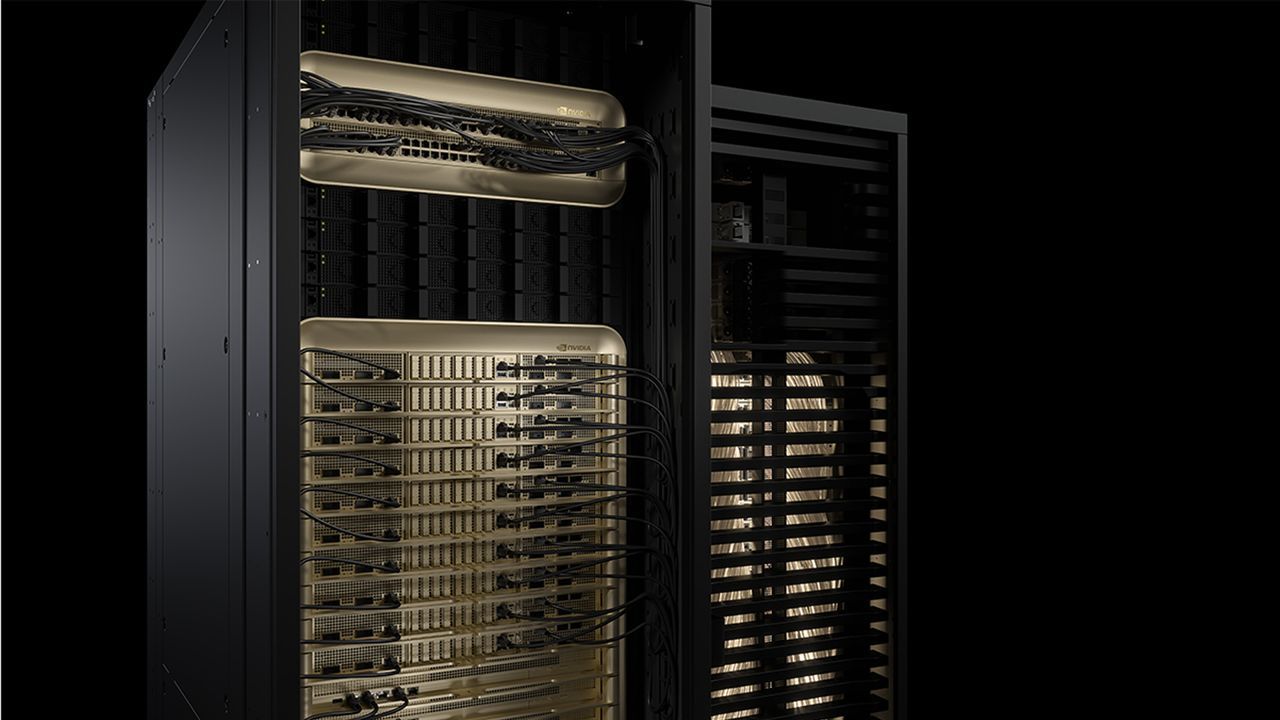
The AI Inflation Wave: How Nvidia Is Passing the Squeeze Down the Supply Chain
The relentless pursuit of artificial intelligence has created a seismic shift in the semiconductor industry, and the cost of powering this revolution is now hitting the hardware itself. Nvidia, the undisputed leader in AI accelerators, has signaled that the cost of building these future-forward systems is escalating sharply, informing major customers that the prices of servers containing its AI chips will rise by more than 15% in many cases.
This isn’t just a footnote in a quarterly report; it represents a massive inflationary pressure flowing through the entire technology stack. The cost escalation applies to cutting-edge systems, including the upcoming Grace Blackwell and Vera Rubin architectures, setting a new precedent for how AI infrastructure is valued.
The reason for this price hike is rooted deeply in the memory market, which has been defined by the so-called RAMageddon. As AI demands colossal amounts of memory, the supply chain has been struggling to keep pace. Nvidia’s systems are inherently memory-hungry. For instance, the Rubin GPU packages shipping with up to 288GB of HBM4 per unit, and rack-scale systems like the NVL72 combine over 20TB of HBM in a single rack, demonstrating the critical role of memory in modern AI infrastructure.
The underlying constraint is stark: memory production consumes roughly four times the wafer area of equivalent conventional DRAM. This imbalance means that memory is no longer a secondary component but the primary bottleneck in the AI server bill of materials, driving its price at a stratospheric pace.
Ironically, the very supply crunch that is currently inflating Nvidia‘s systems was created by the memory makers themselves. To meet the surging demand for high-capacity server products, key memory suppliers like SK hynix and Samsung were forced to reallocate capacity toward HBM and high-capacity server DRAM, effectively starving the commodity markets.
This effect is evident across the board. While consumer DDR5 pricing has more than doubled since late 2025, the pressure is now reaching the very top of the semiconductor hierarchy. Nvidia, which maintains a high gross margin of roughly 75%, appears intent on passing memory cost inflation onto hyperscalers and PC builders rather than absorbing the cost themselves.
This dynamic puts significant pressure on major data center operators like Microsoft, Google, and Oracle. As demand continues to outpace supply across the constrained HBM market, the focus shifts to how quickly alternatives, whether from competitors like AMD or custom silicon, can absorb this displaced demand. The path forward will determine whether this current inflation leads to a hardware-driven competitive shift or a fundamental realignment of the entire AI infrastructure.
Buy on Amazon
Credit
