Nvidia’s RTX Spark N1X powers new laptops and desktops
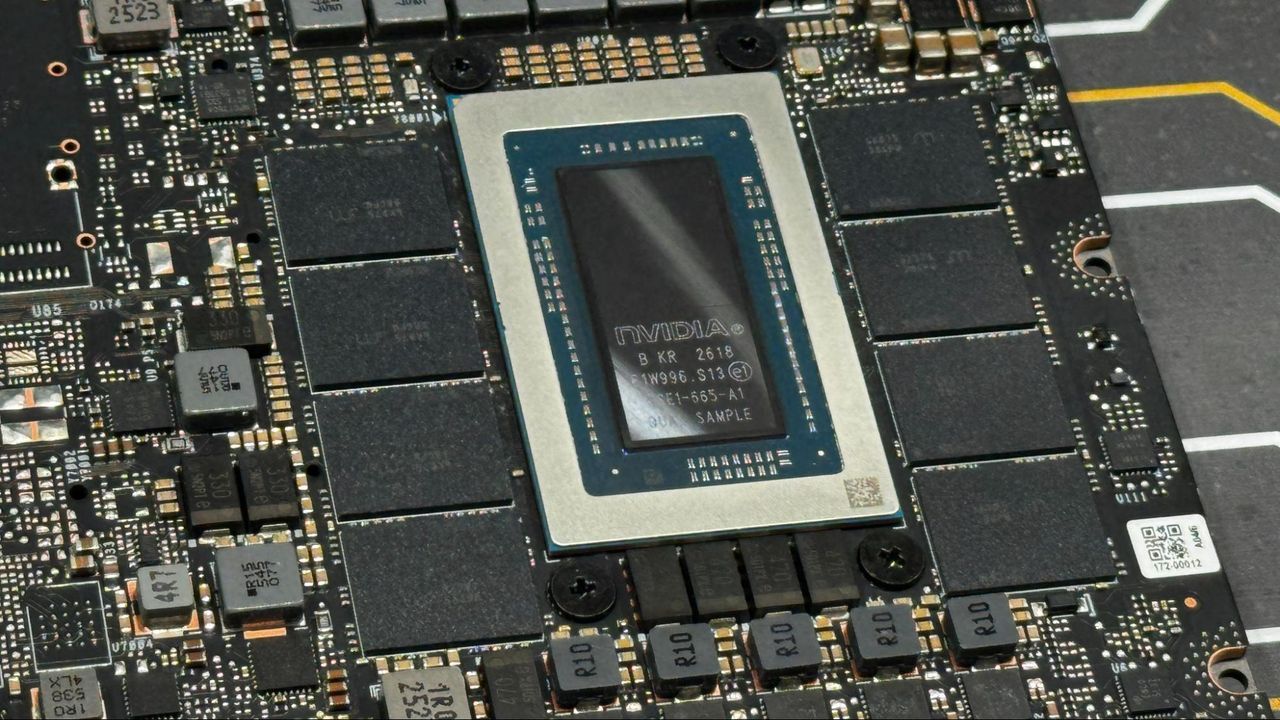
Nvidia Unveils the N1X: A New Era for Laptop Power and AI
Nvidia has finally dropped the curtain on some highly anticipated specifications, officially naming its next-generation mobile chip the N1X. This new silicon is set to revolutionize the laptop and mini PC landscape, targeting high-performance computing and the burgeoning world of agentic artificial intelligence. The launch is slated for October, promising two distinct power configurations designed to cater to a wide range of demanding users.
The brilliance of the N1X lies in its flexibility. It offers two distinct paths for developers and OEMs: a top-tier configuration designed for absolute power, and a streamlined option perfect for portable efficiency. For those seeking peak performance, the powerful version packs a 20-core Grace CPU alongside a massive 6,144-core Blackwell GPU, paired with an expansive unified memory pool ranging from 24 to 128GB. This setup is built for heavy computational tasks and immersive gaming.
For a variation focused on portability and efficiency, the alternative configuration offers an 18-core Grace CPU and a slightly scaled-down 5,120-core Blackwell GPU. While this version is strictly tailored for laptops, it still provides generous unified memory options, ranging from 24 to 32GB, making it an ideal powerhouse for mobile AI agents and professional work.
This new chip architecture signals a strategic shift by Nvidia, demonstrating a commitment to a unified memory approach, a concept popularized by competitors like Apple’s M-series chips and AMD’s Strix Halo line. By integrating this unified memory system, Nvidia is streamlining the data flow, creating a more cohesive and powerful computing experience across various devices.
The anticipation surrounding the N1X has already sparked industry movement. Ahead of the IFA event in Berlin, partners like Lenovo and Acer have begun debuting systems featuring the new technology, pushing the boundaries of what is possible in small form factors. Major players including Asus, Dell, MSI, HP, and Microsoft are also vying to integrate this powerhouse into their next generation of systems, from high-end laptops to compact mini PCs.
The focus of these new systems is clearly on agentic AI—running sophisticated AI agents seamlessly in the background—but the chip’s underlying gaming prowess also ensures it remains a potent tool for gamers. Nvidia is banking on this versatility to drive ecosystem adoption.
Furthermore, the introduction of the N1X challenges existing silicon monopolies. This move introduces a major new vendor into the ecosystem, potentially diversifying partnerships for application developers eager to utilize Nvidia’s powerful tools. It also shifts the landscape for Windows on Arm, potentially breaking Qualcomm’s exclusivity and opening up new avenues for innovation in the broader computing world.
As Nvidia waits for final pricing details and confirms the exact rollout schedule for the October launch, the industry is keenly watching. With the promise of all-day battery life also factored in, the N1X is poised not just to be a new chip, but a catalyst for the next generation of mobile, AI-driven computing.
Buy on Amazon
Credit