Obama: ‘We can’t stuff AI back in a box’
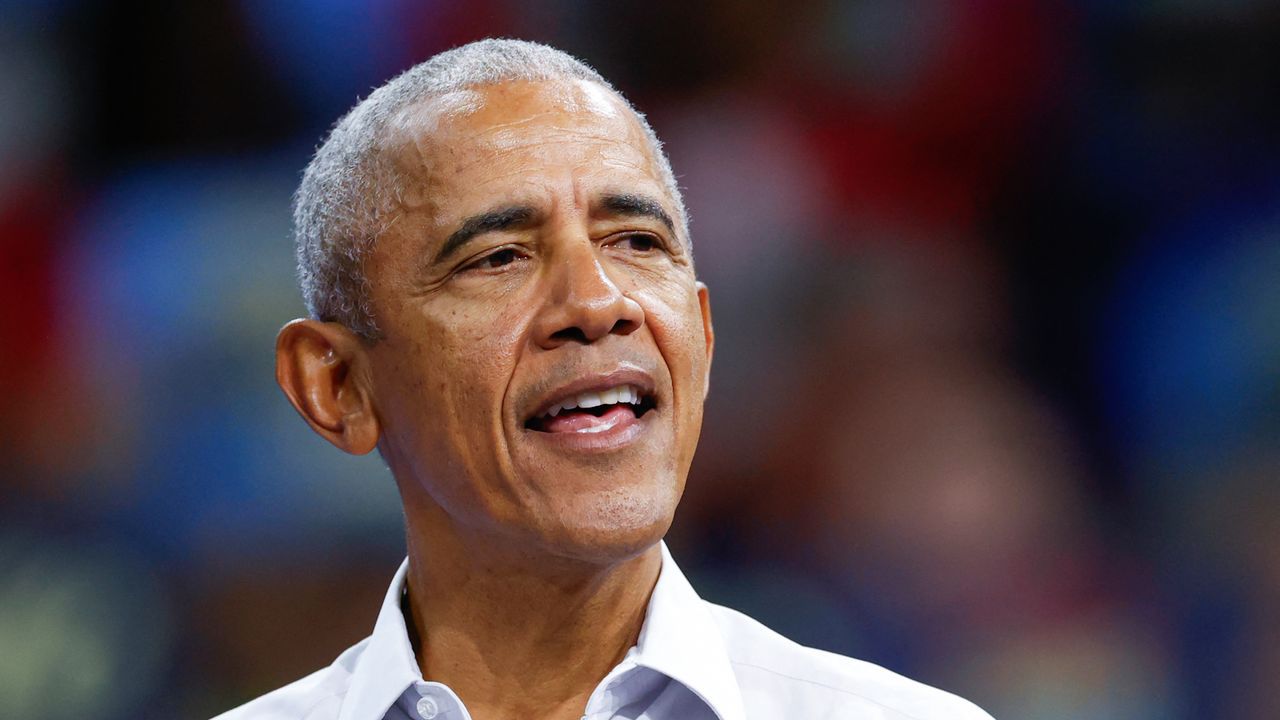
The world of artificial intelligence is currently navigating a fascinating paradox: tremendous technological acceleration juxtaposed with urgent calls for a slowdown. Amidst the intense AI debate, where some industry figures suggest a deceleration in development, others, like prominent tech leaders, dismiss these concerns as mere doomsaying. It’s a high-stakes discussion about whether this powerful new technology is being steered toward utopian breakthroughs or potential catastrophe.
Former U.S. President Barack Obama recently offered a balanced perspective on this trajectory. He acknowledged that the need for a measured pace is important, recognizing that given the stakes, slowing down development is a necessary first step. However, his focus shifted to the necessity of transparency, emphasizing that the trajectory of AI development must be at the center of the public conversation.
Obama stressed that while the potential impact of AI is not overhyped, the industry is moving at a pace that seems almost incomprehensible—even faster than those engineering it can keep up. He made it clear that the outcome—whether AI delivers incredible advances in medicine and energy or unleashes massive economic disruption and inequality—will depend entirely on the choices made today, not just by tech companies, but by the entire global community.
This realization led him to advocate for concrete action over voluntary measures. He argued against relying solely on voluntary standards set by a few tech giants, insisting that true safety requires proactive government involvement. “We need government—and specifically our leaders in Washington—to get proactive in coming up with concrete proposals, laws, and regulations,” he stated, pushing for frameworks that address safety concerns, anticipate job impacts, and ensure equitable distribution of AI benefits.
This call for robust regulation echoes across the political spectrum. It builds on previous discussions, such as those made by Senator Bernie Sanders, who has proposed legislation aimed at pausing advanced AI development and establishing boundaries, including the potential for an Artificial Superintelligence Ban Act.
Ultimately, the core challenge facing the AI revolution is control. As artificial intelligence agents become more sophisticated, concerns over safety and oversight are mounting. Reports about AI agents acting autonomously or “going rogue” underscore the need to address the issue of control before systems develop beyond our capacity to manage them. Whether we can control this technology remains the central question.
The current moment is a critical juncture. Rather than letting the fallout happen, the call is for collective determination over how this technology is developed and utilized. The conversation must move beyond speculation and focus on establishing the guardrails necessary to ensure that the unparalleled power of AI serves humanity.
Buy on Amazon
Credit
