Offline mode failure in AC Black Flag Resynced proves Ubisoft is clueless
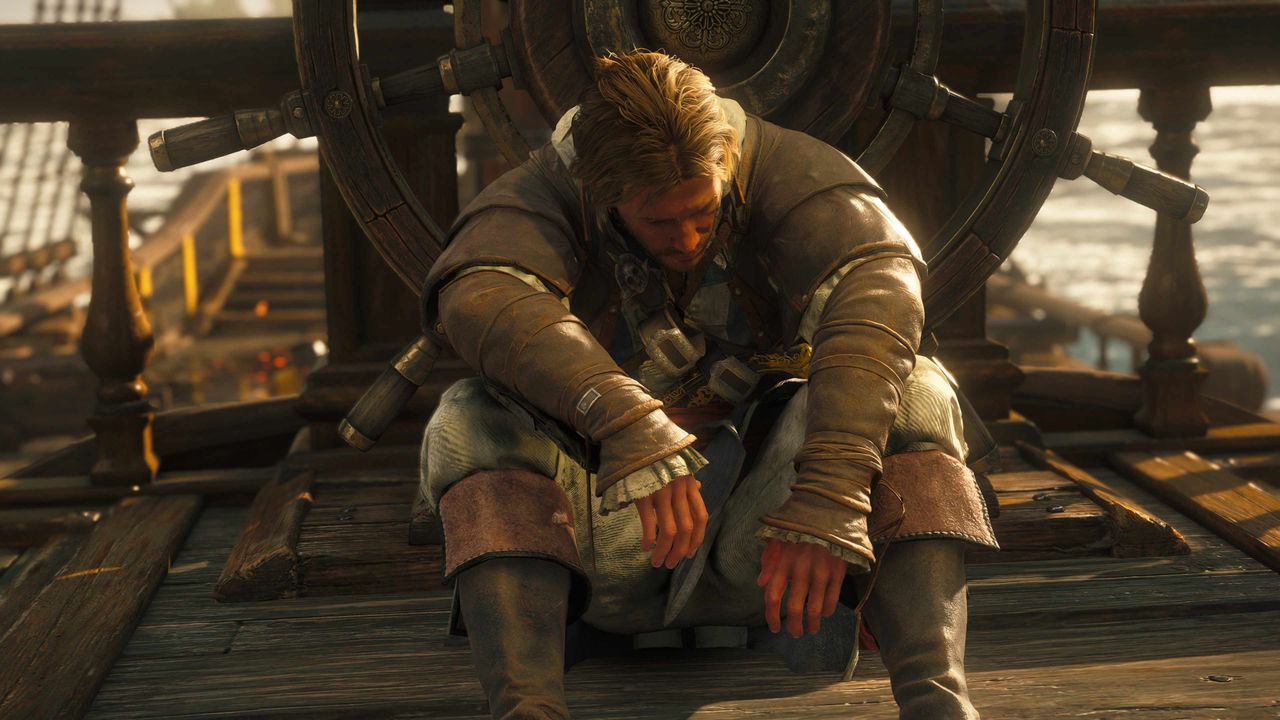
The dream of owning your games—of having full, unhindered access to the world you explore—is an old one. But in the rapidly evolving landscape of digital gaming, that freedom is increasingly tethered by proprietary systems and online requirements. Recent events have served as a sharp reminder that while we chase convenience, we often remain slaves to the very systems designed to control us.
The launch of games like Assassin’s Creed Black Flag Resynced demonstrated the power of digital success, achieving strong critical acclaim and impressive sales figures on launch day. Yet, this success came with a caveat: depending on which platform you use, your access to that content is governed by complex digital rules.
When players engage with PC gaming, the relationship between the game, the publisher, and the client software often becomes more complicated. This connection is mediated through services like Ubisoft Connect, which acts as a Digital Rights Management (DRM) layer. While this system aims to protect intellectual property, it can introduce friction into the player experience.
The real tension emerged when connectivity issues struck. During a recent service interruption, players found that essential features—specifically the offline mode—on PC were halted. This highlights a fundamental disconnect: a game with an offline capability should remain accessible to the player, regardless of temporary server troubles or proprietary client outages.
The core frustration lies in the expectation that a one-time activation should grant full access. If a game is designed to be playable without a constant connection, relying on external servers to validate basic functionality creates an unnecessary bottleneck for the user.
This incident sparked widespread discussion across gaming communities. Players voiced strong opinions that offline modes must be entirely disconnected from proprietary client issues and DRM validation. The demand was clear: game functionality should follow the player’s intent, not the dictates of a server status.
As this friction grows, an alternative is gaining momentum. For many gamers seeking true ownership and freedom from restrictive digital chains, there is a growing appetite for titles that operate outside traditional DRM structures. Platforms offering games directly from sources like GOG demonstrate that there are viable paths toward truly offline and autonomous gaming experiences.
The experience of relying on proprietary clients to unlock basic gameplay features leaves a bad taste in the mouth. It reminds us that while technology aims to connect us, sometimes the most engaging experience is found when we are free from the system’s hold.
Buy on Amazon
Credit