OG Crazy Taxi lover thinks the remake isn’t crazy enough
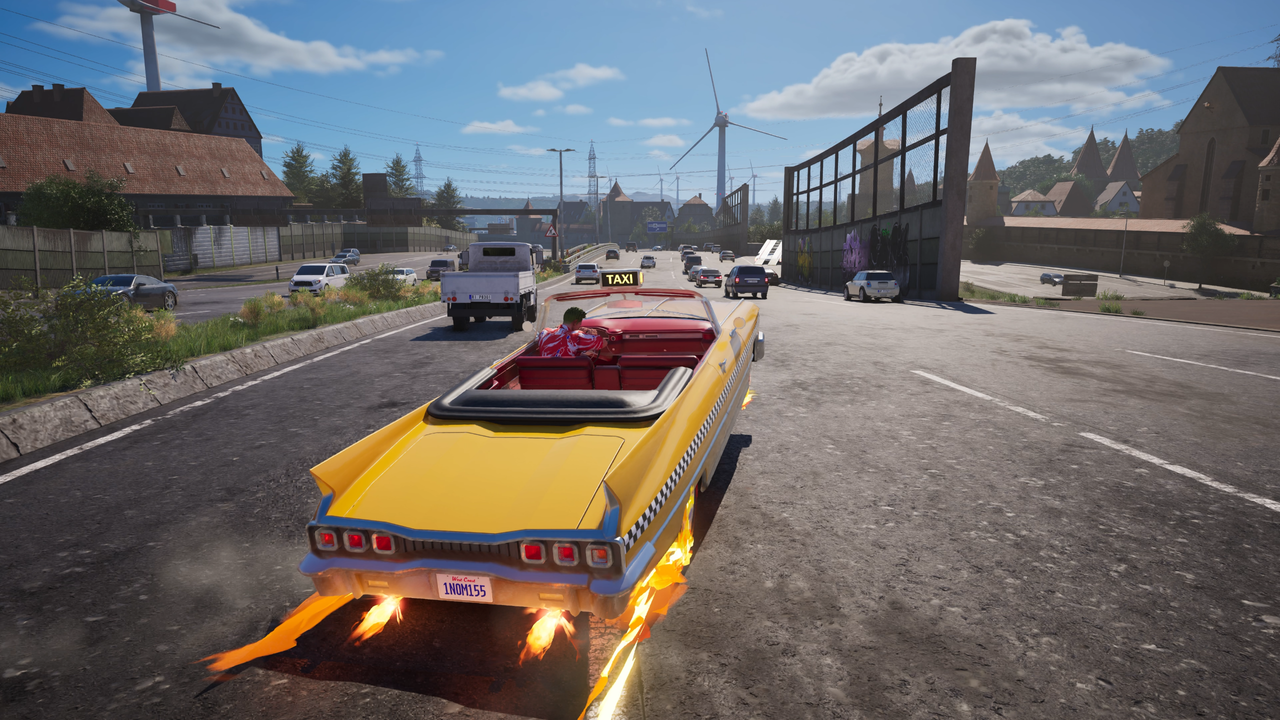
For long-time fans of the iconic title, Crazy Taxi, the franchise represents a whirlwind of time-traveling chaos. From the original arcade experience to various console iterations, the game has cemented its place in gaming history. But when the next chapter arrived with Crazy Taxi: World Tour, the anticipation felt immense, especially given the buzz surrounding new development techniques.
Initial exposure to the franchise involved wild gesticulations and yelling—particularly in the EyeToy version—setting a high bar for manic fun. When the announcement for World Tour dropped, much of the excitement was quickly tempered by the surrounding discourse on generative AI, which seemed to overshadow the actual gameplay reveals.
Despite the generated hype, a demo offered a glimpse into the new world. Testing the demo immediately put the player behind the wheel of Axel, dropping him into a thematically appropriate German landscape. While the core time-attack mechanic—picking up and dropping off passengers—remained intact, the expansion introduced new layers of chaos. Players could engage in various side quests, such as stacking pizzas or performing high-speed stunts to avoid hazards, each earning a star rating for performance.
The challenge was not in the mechanics themselves, but in the execution. While the core driving felt familiar, changes to the handling felt too tight, detracting from the necessary sense of reckless speed. The true disappointment lay in the aesthetic presentation of World Tour. The visuals lacked the distinct, wonderfully cartoonish identity that defined the original Sega catalogue. Instead, the game appeared visually cheap and generic, feeling as if it was heavily influenced by the generative AI concepts that had surrounded its development.
Even the attempt to integrate real-world locations, such as landmarks like the famous Cologne cathedral, failed to salvage the presentation. The presentation of World Tour felt utterly sauceless, failing to deliver the vibrant, recognizable energy that the original game possessed. Ultimately, while the concept of bringing real-world locations to Crazy Taxi was appealing, the finished product failed to resonate. For many, the drive to return to the driver’s seat of this chaotic ride was unfortunately not triggered.
Buy on Amazon
Credit