
Old Nvidia GPUs still profit for 9 years via legacy infrastructure
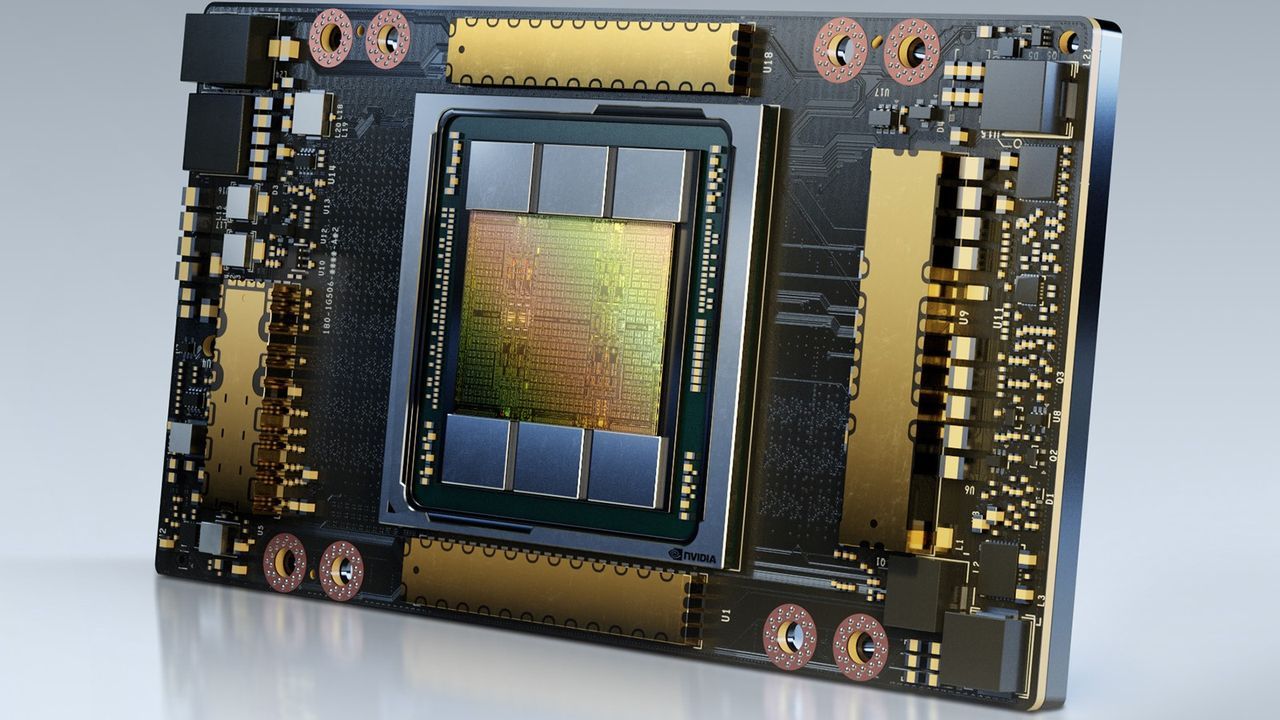
The future of artificial intelligence is being built not just on algorithms, but on incredibly complex supply chains and multi-year hardware contracts. At the heart of this dynamic tension is CoreWeave, a leader in AI infrastructure, which has recently locked in a massive commitment for Nvidia A100 GPUs that extends into 2029.
This long-term agreement was highlighted by CEO Mike Intrator during the company’s second-quarter earnings call, providing important context to the financial health of the AI data center market. CoreWeave reported quarterly revenue of $2.58 billion, marking an impressive 112% increase year over year, supported by a substantial revenue backlog of $104 billion.
Beyond the immediate financials, the contract itself touches on one of the most pressing concerns facing hyperscalers: asset depreciation and hardware obsolescence. Critics have raised questions about how long AI GPUs can realistically maintain their value given the rapid pace of chip innovation. This debate touches on whether aggressive depreciation estimates by large cloud providers adequately account for the accelerated obsolescence inherent in a chip cadence that updates nearly annually.
The situation gets even more interesting when considering the context provided by Nvidia itself. In response to broader industry concerns about asset life cycles, Nvidia’s CFO Colette Kress pointed out that A100s sold six years ago are still operating at full utilization. This stance directly challenges broader assumptions about how quickly hardware loses value.
CoreWeave’s long-term commitment helps manage this friction. By securing future capacity, the company navigates the complexities of evolving depreciation schedules and technological shifts. The extended contract ensures that significant AI compute resources remain operational, regardless of how gracefully silicon ages.
The challenge is not just financial; it is physical. As newer architectures like the Blackwell series emerge, the demands on data center infrastructure are skyrocketing. Older systems, designed for air-cooling and lower thermal densities, simply cannot handle the power requirements of next-generation GPUs, which require advanced direct-to-chip liquid cooling.
This technological mismatch is precisely where CoreWeave’s fleet holds unique value. The existing, air-cooled capacity provides a robust holding area for older generation hardware while newer infrastructure is being deployed. Renting these long-standing assets becomes a smarter alternative than letting them sit idle, allowing companies to leverage the physical footprint that already exists.
Furthermore, CoreWeave’s contracted power commitments illustrate this demand: in the second quarter, contracted power grew to 3.7 GW and stood at 4.2 GW as of Monday, against only 1.5 GW of online capacity. This disparity shows that customer commitments already cover nearly triple the physical delivery the company can currently provide.
As AI infrastructure continues its relentless expansion, flexibility in hardware deployment is paramount. By focusing on long-term contracts and optimizing existing assets, CoreWeave is positioned to tackle the next wave of AI demands while balancing the realities of technological evolution and thermal engineering.
Buy on Amazon
Credit