
RX 9070 XT hooked to Steam Machine: A V8 in a Civic performance
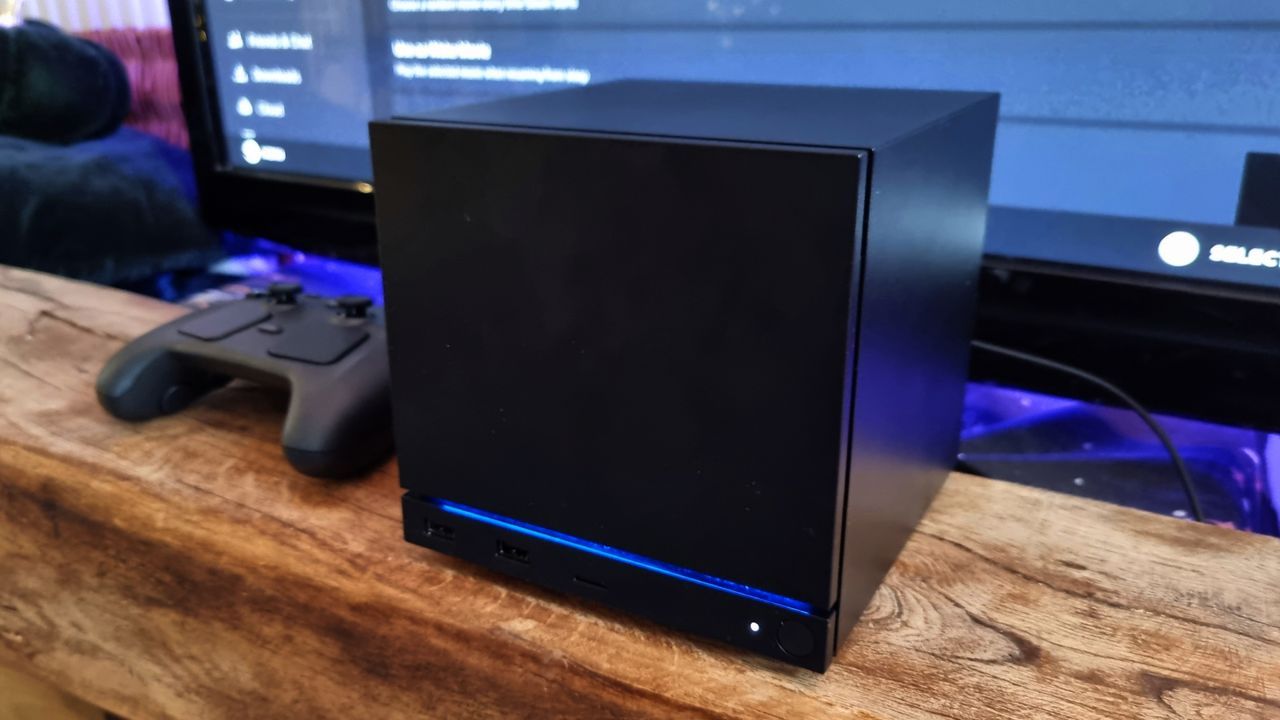
In the rapidly evolving world of high-end gaming hardware, the race for peak performance is constantly heating up. Recently, the RX 9070 XT has emerged as a standout performer this generation, delivering impressive gaming prowess that sometimes even edges out competitors like the RTX 5070 Ti in certain benchmarks.
While the graphics card scene is intense, discussions often turn to the platform supporting them. Many gamers look toward systems like the Steam Machine, but there is an undeniable desire for more power and better value. The challenge is how to maximize potential when budget and raw capability are key considerations.
One ingenious solution has emerged from the community, proving that creativity can bypass limitations. A clever modification allows users to harness powerful, off-the-shelf graphics cards by treating them as external GPUs, or eGPUs, for their existing Steam Machine setup.
This hack involves linking an AMD card directly to the system via adapters. One enthusiast demonstrated how this could be achieved by utilizing the NVMe slot with an NVMe to Oculink adapter, and routing the drive through a USB-C NVMe adapter to boot SteamOS.
The results of this experimental setup were surprisingly encouraging. The tinkerer reported that when the hardware was successfully connected, the 9070 XT immediately became the primary monitor and functioned seamlessly. While a minor hurdle involved needing a connection to a television for the eGPU functionality to activate properly—a detail that proved to be worth navigating—the core performance was solid.
For stress testing, users have seen promising frame rates, with reports indicating over 100 fps on High settings in demanding titles like Crimson Desert. This demonstrates the potential of combining powerful external hardware with existing systems.
This innovative approach opens up exciting possibilities for further hardware customization. While some initial setups required modifications, such as removing backplates, the concept hints at a future where hardware integration is less about rigid design and more about modular enhancement. The community is already looking toward pushing the boundaries even further, speculating on advanced concepts like water cooling to truly elevate this DIY “Frankenstein Steam Machine” into a powerhouse of neon-pink engineering.
Buy on Amazon
Credit

