
OLED burn-in risk meets new brightness and efficiency
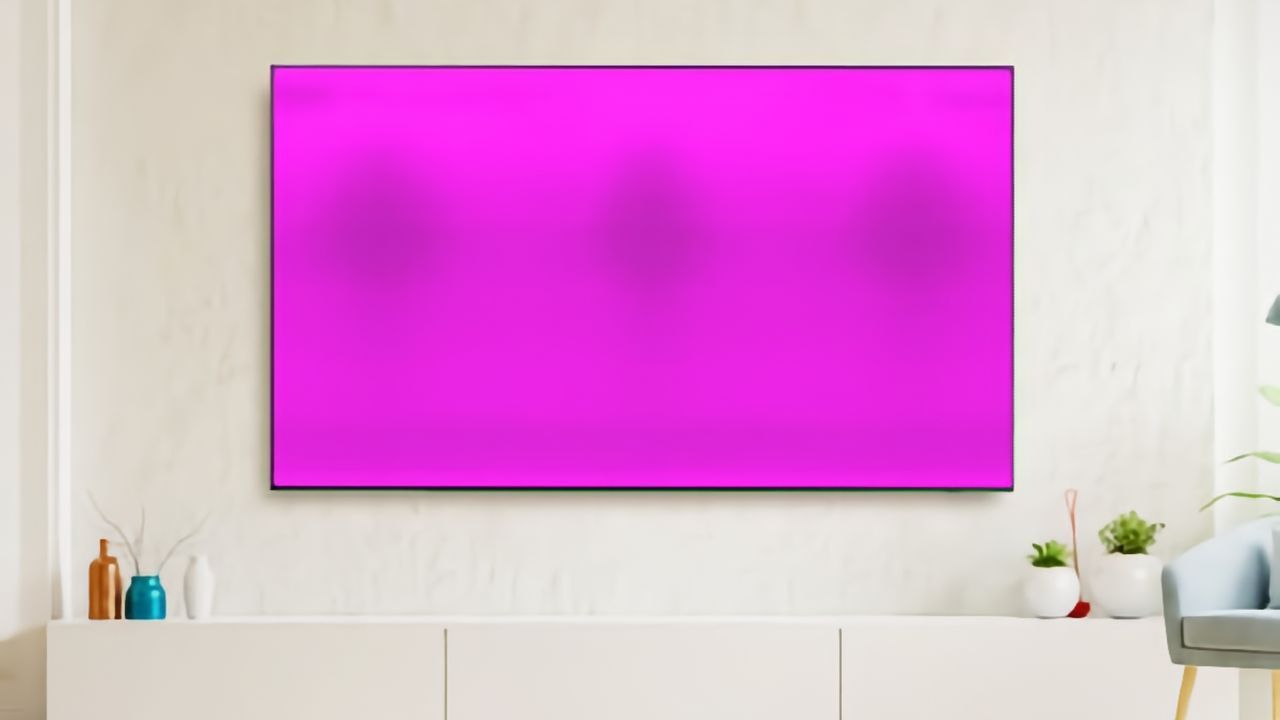
The debate over OLED longevity has long been a source of anxiety for TV enthusiasts: how long can these stunning panels last before image retention, or burn-in, compromises the picture?
A recent deep dive into this issue offers some surprisingly optimistic data. Testing newer OLED models from 2020 through 2023 against an older model from 2017 showed that whether you are using cutting-edge or slightly aged technology, the process of developing burn-in follows a similar path after ten thousand hours of simulated news channel use.
However, where the real story emerges is in how modern TVs handle this stress. The newer generations aren’t just more durable; they are fundamentally more efficient and brighter, which offers new avenues for panel preservation.
The testing methodology emphasized realistic usage. Testers didn’t just measure static brilliance; they simulated daily viewing habits by setting the panels to their maximum SDR brightness. This approach accounts for real-world user behavior, noting that a newer 2023 OLED was generally 28% brighter than its 2017 counterpart in sustained luminance.
This increase in brightness comes with a powerful trade-off: efficiency. The most recent models are significantly more power-efficient, consuming about 27% less energy over the same period compared to their older counterparts. This efficiency gain is critical when looking at long-term use.
The power difference per pixel highlights the technological leap. While a 2017 OLED required approximately 1.28 watts to power every nit, a 2023 model requires only about 0.97 watts per nit. This energy efficiency means that running a modern display at lower brightness settings not only reduces power draw but also reduces the cumulative stress placed on the organic pixels.
Researchers suggest that this dynamic gives users more “breathing room.” Instead of simply maximizing brightness, savvy users can achieve the desired visual impact at a lower luminance level, protecting the panel’s delicate structure. This strategy minimizes the potential for image retention by delaying the point of no return for burn-in.
Ultimately, the data suggests that managing expectations is key. While static elements always pose a risk to any OLED, modern televisions are equipped with smart features designed to manage pixel health. As long as users avoid manually interfering with these self-care mechanisms and prioritize efficiency alongside brilliance, mixed usage on current technology will not be an issue.
The future of display technology is bright, offering powerful images without the historical fear of irreversible damage, provided we leverage new insights about efficiency and smart design.
Buy on Amazon
Credit

