OLED monitors dominate CS2 tournament action
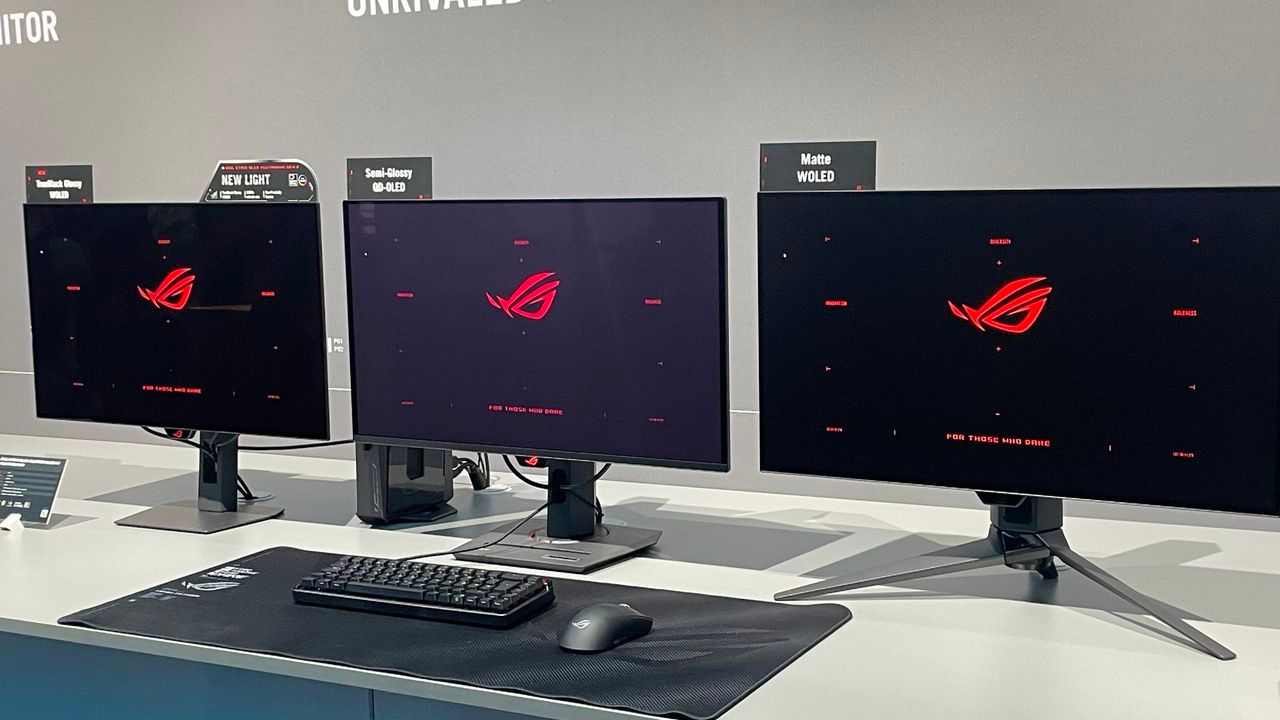
The Pixel Revolution: How OLED is Redefining Competitive Gaming Hardware
The world of competitive gaming thrives on the razor-thin margins of performance, where milliseconds matter and every pixel counts. In this hyper-competitive arena, the hardware we use is no longer just a tool; it’s a weapon. Now, a new generation of display technology is stepping onto the battlefield, poised to fundamentally change the competitive landscape: OLED.
The shift isn’t just about vibrant colors; it’s about raw speed. OLED panels deliver unparalleled responsiveness, achieving response times as low as 0.02 ms (GTG). This incredible speed means motion blur is virtually eliminated, giving gamers an edge that is critical when executing lightning-fast maneuvers in titles like Counter-Strike 2.
This technological leap is now entering the realm of official esports. In a major announcement, a leading monitor, the Asus ROG Swift OLED PG259QWS Ace, has been selected as the official monitor for the upcoming 2026 PGL CS2 Major. This move signals a massive acceptance of OLED technology as the gold standard for professional play.
But the revolution isn’t just about the screen itself; it’s about the perfect balance between visual fidelity and competitive comfort. For many professional players, the ideal setup involves a focused viewing experience. Smaller panels, such as 24-inch or 25-inch monitors, have proven to offer a more immersive and comfortable field of view, allowing players to absorb the entire action without distraction.
Furthermore, the sweet spot for competitive gaming often lies in refresh rates. While high refresh rates are desirable, testing has shown that diminishing returns occur above 360 Hz. This is why the combination of OLED technology, coupled with resolutions like 1080p, offers a perfect synergy for competitive shooters, allowing for optimal clarity and responsiveness.
This evolution puts established technologies to the test. The speed and visual quality of OLEDs challenge older standards, such as those set by TN panels. Without relying on complex backlight strobing to mitigate motion blur, OLEDs inherently provide a superior motion experience, setting a new benchmark for professional hardware.
The consensus from the industry is clear: as competitive standards rise, so too must the technology supporting them. The selection of OLED for a major tournament hardware role is not an anomaly; it is the logical conclusion of a trend toward ultimate performance.
As the technology matures, the economics also follow. We are seeing powerful advancements in display technology that are becoming increasingly accessible. This trend is further highlighted by the fact that high-performance panels, once prohibitively expensive, are becoming more affordable, making cutting-edge gaming gear more attainable for everyone. The age of premium visual experiences is not just coming—it’s already here, redefining what competitive gaming hardware can achieve.
Buy on Amazon
Credit
