Onimusha: Freaky parries redefine sword combat
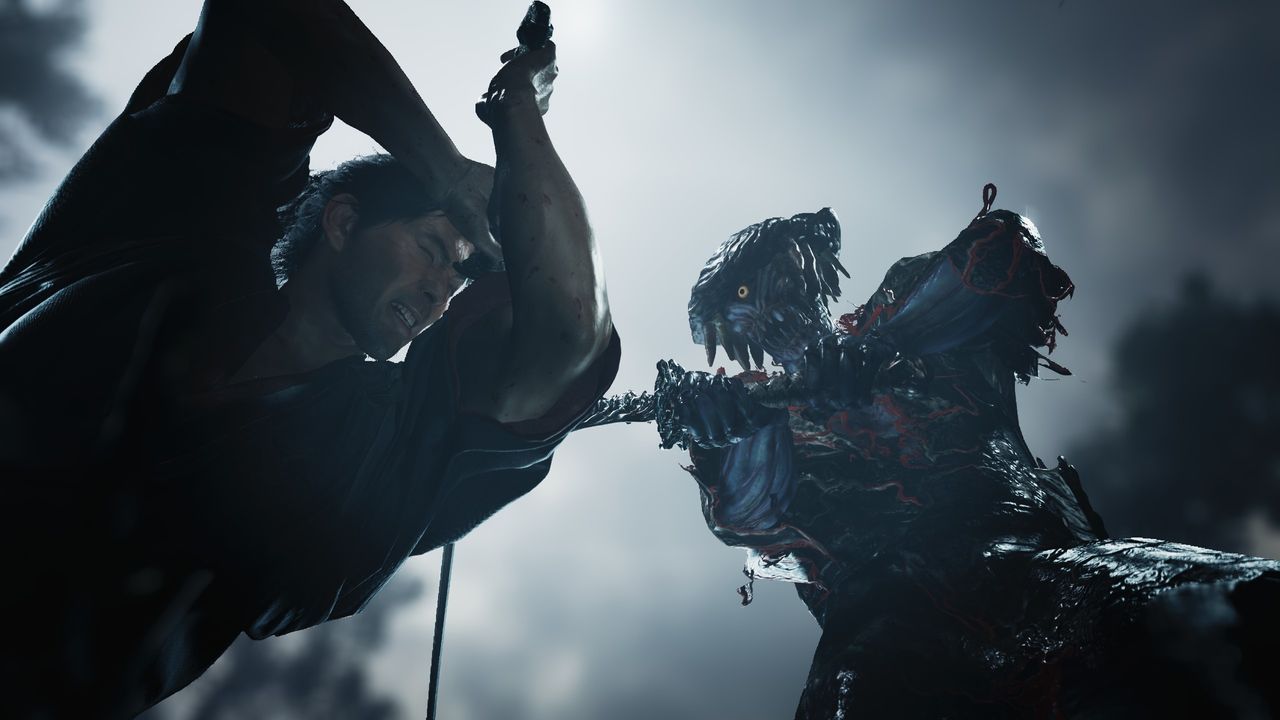
There are certain mechanics in video games that simply feel perfect—and nothing captures that feeling quite like the art of the parry. For many, games like Sekiro: Shadows Die Twice have cemented the parry as the ultimate expression of fluid, demanding swordplay, rewarding players who can master the delicate art of timed deflection and pressure.
Yet, this beloved mechanic is not without its critics. Some players find the constant need for perfect timing exhausting, suggesting that parrying can occasionally feel like a crutch rather than an intuitive skill. It is understandable; sometimes a simple mechanic can wear out its welcome, especially when placed in turn-based or overly structured environments.
However, to dismiss parry-based systems as overly simplistic is to overlook the vast, untapped potential residing within them. The true genius of this mechanic lies not in its existence, but in how cleverly it can be expanded into a dynamic toolbox capable of generating exhilarating action combat.
A masterclass in this potential can be found in titles like Onimusha: Way of the Sword. While offering a basic block parry, Onimusha demonstrates how to layer complexity onto the core concept. Instead of relying on a single action, the system introduces a strategic hierarchy of defensive options that keep the action razor-sharp and engaging.
Onimusha effectively expands the simple parry into a full mechanism by integrating several distinct defensive actions: a basic parry, a deflect that requires a secondary input, and the high-risk, high-reward Issin counter, designed for players willing to gamble for massive rewards.
This multi-layered approach is the secret to making the system feel tactile and satisfying. Each mechanic counters different types of attacks and serves a distinct purpose, transforming defensive timing into a rich set of ripostes. The system builds tension through a back-and-forth minigame: successfully parrying builds the Blazing State, which then naturally leads the player toward more demanding abilities like deflection, encouraging continuous, dynamic engagement.
The cleverness lies in the flow. As the Blazing State depletes, players must constantly balance the immediate need for defense with the desire to maintain the momentum of their attacks. Even when a player is in a high-intensity sequence, the tactical choice between a parry, a deflect, or an Issin counter forces a strategic decision, ensuring that the engagement remains active and thrilling.
This progression introduces a sliding scale of risk. The most accessible option yields the smallest reward, while the most potent counter—like the Issin counter—carries significant risk but offers huge payoffs. Furthermore, the different defensive options demand different skill sets; deflection requires complex button presses, while the Issin counter demands incredibly tight timing, pushing players to master varied forms of rhythm and anticipation.
Beyond these established systems, other games continue to push the boundaries of parry experimentation. For instance, in Nine Sols’ Unbounded Counter, the mechanic introduces a deliberate vulnerability window, requiring players to predict an attack three business days in advance. This elevates the parry from a simple reactive dodge to a deeply predictive skill, rewarding foresight and precise execution.
Ultimately, parries do not need a bad reputation. They are not a ham-fisted solution; they are a potent foundation. The potential for truly inventive developers is limitless. We should look forward to more games that take this humble defensive button press and transform it into a portal to action combat heaven.
Buy on Amazon
Credit