Onimusha Way of the Sword action review
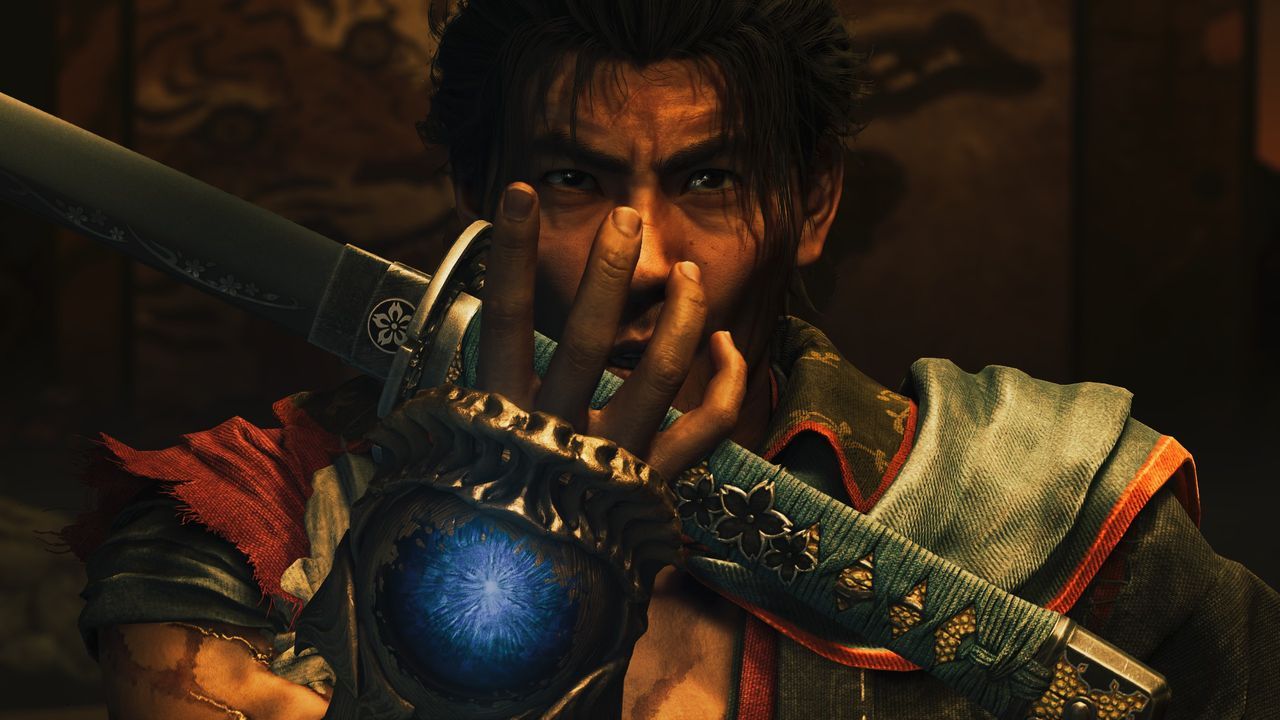
The legend of Miyamoto Musashi defeated his rival Sasaki Ganryu with a single, decisive blow to the head using nothing more than a crude wooden sword. This iconic tale of samurai mastery has recently been reimagined in the video game Onimusha: Way of the Sword, delivering a spectacle that attempts to blend ancient legend with modern, physical combat.
While the premise is steeped in dramatic flair—Musashi’s legendary victory, the harnessing of lightning in an ancient demonic hellforge—the true magic lies in the execution of the fight itself. This is not merely a game about swinging swords; it is an exercise in weighted, visceral swordplay. The combat demands patience, precision, and perfect timing, pushing the player to master a rhythm where parrying dozens of strikes and executing complex deflection techniques feel exhilarating.
The game brilliantly grounds its action in physicality. Every strike, every parry, and every evasive maneuver is tied to satisfying physics and animation, giving the experience a tangible, weighty feel. The moment of impact—whether a blade shatters an opponent or a flurry of strikes sends them reeling—is delivered with a cinematic, anime-style flair that makes the action feel explosive and undeniably badass. It captures the sheer, primal thrill of a duel, where failing a timing sequence results in a thrilling moment of panic, not just a simple defeat.
Beyond the combat, Onimusha embraces a swagger reminiscent of early 2000s Capcom, infused with the unmistakable presence of legendary actor Toshiro Mifune as Musashi. This digital necromancy is handled with remarkable sensitivity, lending the game a rich sense of history and character. The lavishly animated cutscenes further enhance this, presenting Musashi as a fiery, expressive figure whose boasts and expressions mirror the dramatic intensity of classic samurai films.
However, the journey through feudal Kyoto presents some pacing challenges. The game occasionally succumbs to video game bloat, with large sections dedicated to traversing the city. While these explorations are visually rich, they can feel bogged down by repetitive sidequests and the necessity of grinding for materials. The sprawling environment of Kyoto, filled with muddy streets and scattered trinkets, sometimes detracts from the core tension of the action.
The narrative is ultimately saved by its mythological depth. Through the inclusion of the Curious Cases, Musashi is guided by the wisdom of Lady Murasaki, a pioneering 11th-century author. These vignettes introduce morbidly funny Japanese fables and mythology, transforming the experience from a simple action game into a compelling historical drama. This layer of lore successfully pushes the narrative beyond mere action, exploring the emotional journey of a warrior from arrogant vagabond to noble master.
The system of upgrade materials and secondary weapons, while tempting, occasionally introduces friction. Mastering the balance between patience and aggression, and timing the deployment of Musashi’s unique Oni Armaments, requires a delicate touch. Yet, this strategic complexity is balanced by the sheer joy of mastering the combat flow. The result is a game that stands out: a masterclass in kinetic action wrapped in a compelling, slightly silly, and deeply nostalgic package. Onimusha: Way of the Sword is a contender for one of the most satisfying samurai experiences available today.
Buy on Amazon
Credit
