OpenAI processors made at Samsung hint at massive volume
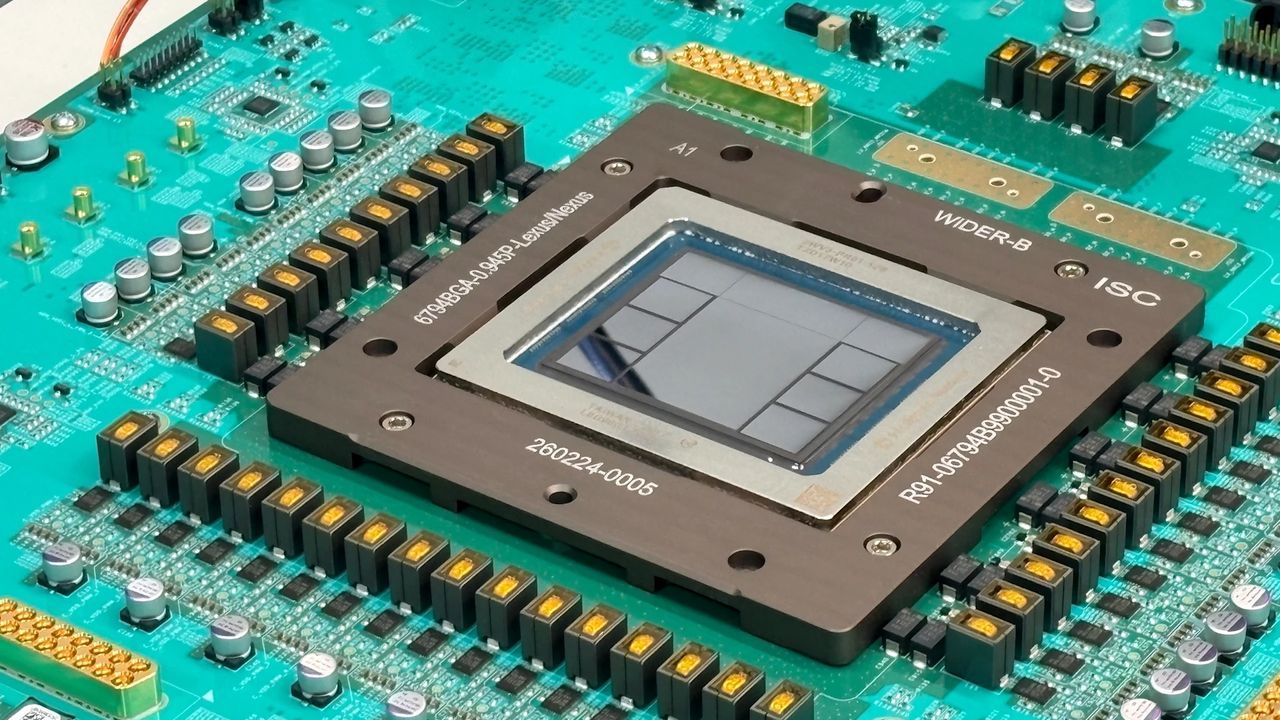
The Silicon Shuffle: How AI Giants Are Redrawing the Map of Chip Production
The race to build the next generation of artificial intelligence is not just a battle of algorithms; it is a geopolitical and industrial chess match fought in the foundry rooms of the world’s most advanced semiconductor manufacturers. At the center of this high-stakes arena is OpenAI, the AI giant, and its expanding strategic partnership with Samsung.
Recent revelations indicate that OpenAI is moving beyond simply procuring memory and enterprise software from Samsung. The company is deepening its relationship to include the production of its own processors, planning to source some of its AI accelerators from both TSMC and Samsung Foundry. This move signals an acknowledgment of the immense, staggering volume required to power the future of AI, pushing the limits of the semiconductor supply chain.
Harrison Kim, General Manager of OpenAI Korea, recently highlighted this deepening cooperation, emphasizing their joint research and production efforts on next-generation chips. This strategic alignment is crucial because it touches upon the most critical bottleneck in the AI revolution: access to cutting-edge silicon.
OpenAI already operates within a complex ecosystem involving TSMC for wafer processing and advanced packaging, alongside specialized partnerships like the one with Broadcom. For instance, their initial inference AI accelerator, Jalapeño, was developed in collaboration with Broadcom and manufactured by TSMC, demonstrating the established pathway for cutting-edge AI hardware.
But the focus now shifts to the future. As OpenAI works on its successor, the next-generation chips, the decision about production sources becomes even more critical. The involvement of Samsung Foundry offers a compelling alternative for massive-scale production, especially given the monumental demands these accelerators will place on the industry.
This collaboration is built upon a foundation of major industrial ties, highlighted by the recent strategic partnership between Samsung Electronics and Broadcom, valued at over $200 billion through 2030 for advanced foundry, memory, and packaging technologies. This overarching deal provides the necessary infrastructure for OpenAI to explore diversified manufacturing routes.
The underlying motivation for this dual sourcing—using both TSMC and Samsung—is supply chain resilience. When dealing with future AI hardware, redundancy is key. If a company seeks to produce multiple types of high-performance chips, splitting the production across different, equally capable foundries mitigates risk and ensures the massive volumes required are met.
While the initial Jalapeño chip benefited from existing TSMC capacity, the development of its successor requires exploring new avenues. The potential for OpenAI to utilize Samsung Foundry for the next generation of inference ASICs is real, mirroring the strategies seen elsewhere in the tech sector that seek to maximize capacity.
Ultimately, the path forward for AI hardware lies in complex, interconnected foundry relationships. As demand for AI processing power explodes, the strategic decision by companies like OpenAI—to leverage the combined might of giants like Samsung and TSMC—will define the landscape of the silicon supply chain for the decade ahead.
Credit