
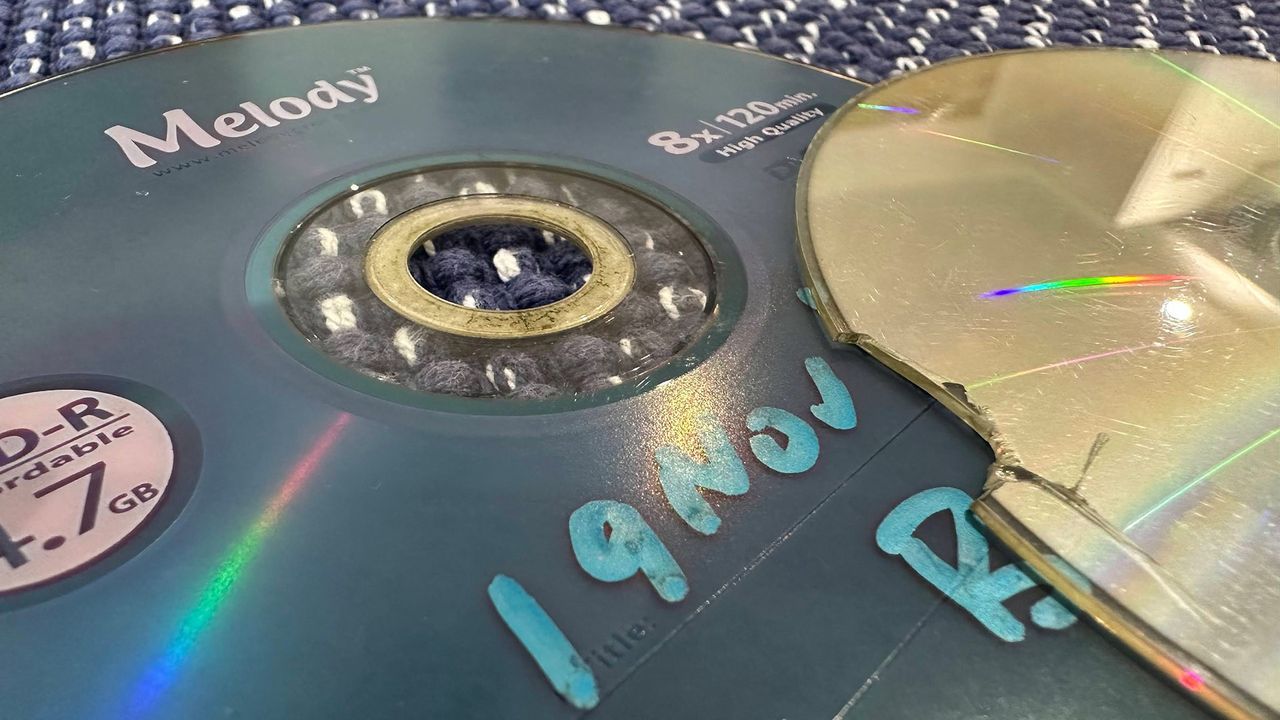
Optical disc shattering blamed on chemicals and foam
The Fragile Frontier of Memory: Why Your CDs and DVDs Are More Vulnerable Than You Think
There is a growing, and frankly quite worrying, discussion swirling around how we manage our physical memories—specifically, the longevity and integrity of optical discs. For collectors and everyday users alike, the fear isn’t just about data loss; it’s about the potential catastrophic failure of these beloved media. Recently, a handful of online observers have highlighted the dramatic failures of compact discs (CDs), prompting an investigation into what might be silently degrading these physical artifacts.
The root cause of this fragility appears to lie in the materials themselves, particularly the polycarbonate substrates used to manufacture the discs. These materials are surprisingly susceptible to environmental and handling stresses that can lead to cracking and shattering without any obvious external force.
One fascinating area of concern involves how we store these items. When we think about protecting our media, we often turn to airtight containers or padded cases. However, some foam padding materials, especially polyurethane, can release volatile compounds like ammonia when sealed. If a CD is stored within such a case, the released vapors can interact with the polycarbonate plastic over time, weakening its structure and potentially leading to cracking. This means that simply putting your cherished discs into a seemingly safe storage box might be an unwitting act of damage.
The vulnerability is even more pronounced in standard CDs, which rely on a single layer of this plastic. In contrast, DVDs mitigate some of these physical risks because they employ two polycarbonate halves bonded together with adhesive. This structural difference makes DVDs generally less susceptible to the type of internal stress issues that plague single-layered discs.
Beyond physical destruction, optical media faces a more insidious threat: bit rot and laser rot. These forms of decay are caused by factors like oxidation of the reflective layers, reactions with contaminants, and exposure to ultraviolet light. This process means that even if a disc remains physically intact, the actual data stored on it can slowly degrade, rendering digital treasures unreadable over time.
Given these risks—both physical destruction and data rot—it becomes abundantly clear that relying solely on physical media for long-term storage is a gamble. While optical discs have served as valuable backups for years, they do not offer absolute immunity against the forces of chemical degradation or environmental exposure.
This reality underscores the enduring importance of digital redundancy. To ensure your memories and data remain safe, it is crucial to back up all important information regularly, keeping those precious digital treasures alive in formats that are more resilient to time and environmental hazards.
Credit