Osiris Reborn turns a Mass Effect mission into a game
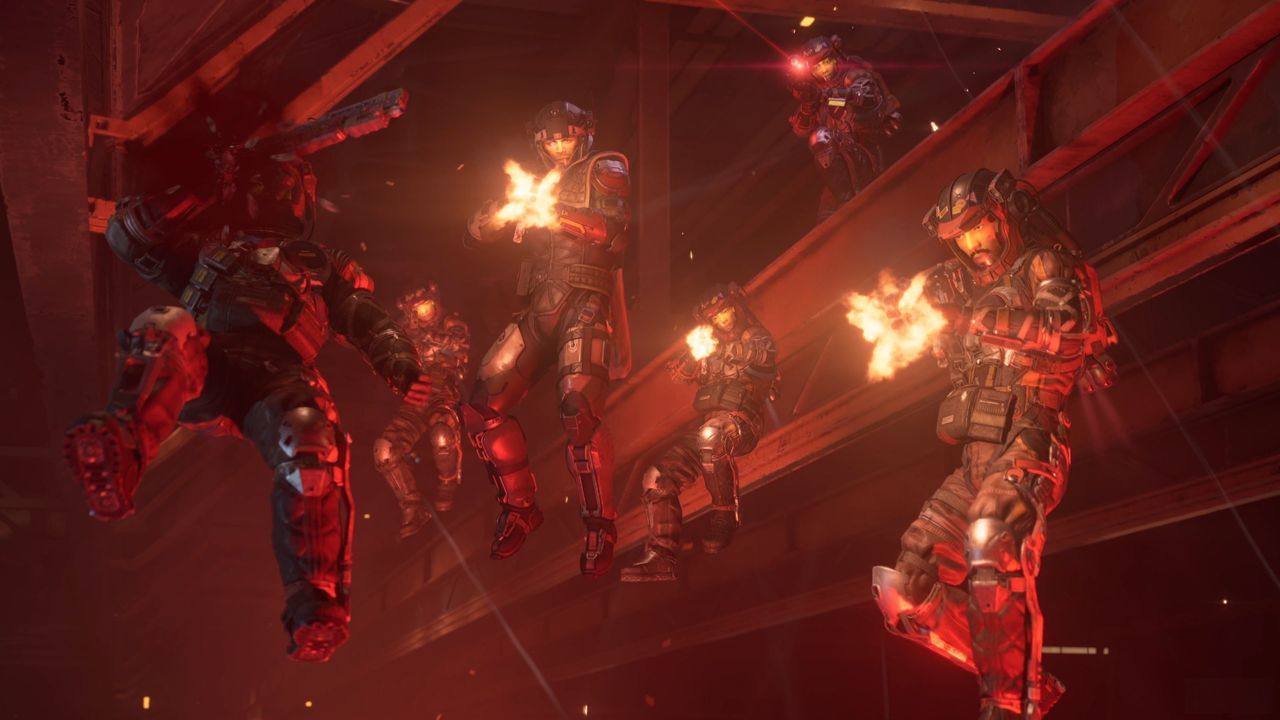
When you dive into the vast, gritty universe of the Spaceways, you expect a certain level of cinematic action and deep character bonds. But what happens when a new title steps into that familiar space and doesn’t just echo the classics—it actively improves upon them? That’s the kind of game design innovation that makes us want to cheer.
Taking a look at The Expanse: Osiris Reborn revealed a compelling argument for why the formula pioneered by BioWare still holds massive weight, yet it offers a fresh, kinetic spin. The developer, Owlcat Games, is successfully navigating the treacherous waters of transforming a classic isometric CRPG into a cinematic third-person RPG, complete with a heavy emphasis on cover-based squad combat.
The comparison to Mass Effect is inevitable, and for good reason. While Mass Effect took a considerable amount of time to fine-tune its shooting mechanics, The Expanse seems to have found the sweet spot right out of the gate. It’s more responsive, more varied, and it rewards players who think strategically about their team. Instead of simply aiming, players are encouraged to use the environment and their crew to create spectacular “exploits”—those perfectly timed maneuvers that turn a simple firefight into a coordinated ballet of destruction.
This focus on collaborative action truly shines in the crew dynamics. Forget the solitary hero; here, the mission feels less like a solo endeavor and more like a meticulously planned heist. You start assembling a team, and the fun isn’t just in the shooting; it’s in the subterfuge and the specialized skills your companions bring to the table. Whether you’re using a teammate to blast open a bridge or leveraging a specialist’s technical knowledge to electrify an enemy facility, the game fosters a real sense of team-building that feels genuinely rewarding.
The characters aren’t just static companions waiting for cutscenes; they are active agents. They offer crucial assistance, provide tactical hints, and participate in the chaos, giving the impression that they have their own agency in the unfolding events. This dynamic elevates the crew from mere accessories to critical components of the mission, inviting players to truly inhabit the role of a coordinated squad.
Beyond the explosive action, the experience is richly layered with quiet moments. The game masterfully balances high-stakes combat with genuine environmental storytelling. Sneaking through the dimly lit ruins of Ganymede’s original colony, feeling the oppressive weight of a forgotten history, provides a chilling horror element that contrasts beautifully with the action. These moments allow players to absorb the atmosphere, rewarding curiosity and foreknowledge with subtle nods and environmental clues.
Whether you are delving into the technological marvels of a Protogen facility or simply observing the mundane routines of the crew, The Expanse excels at worldbuilding without resorting to frustrating gatekeeping. It rewards players who seek out the details, offering a sense of immersion that makes the story feel immediate and deeply personal. It proves that a formula can be reinvented, demonstrating that a squad-based shooter can handle the epic scope of a space opera while maintaining the engaging, meaningful interactions that defined some of the best RPGs of all time.
Buy on Amazon
Credit
