
Parkour action drops in two weeks from the FPS brothers
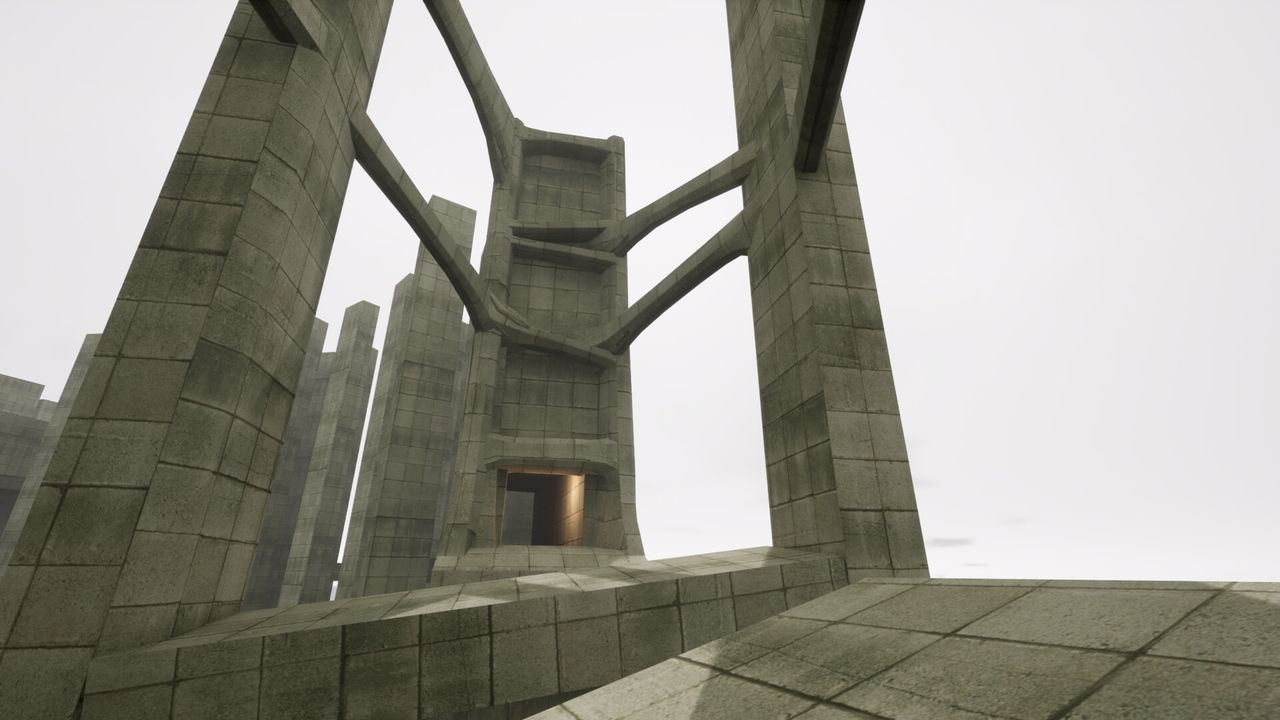
When exploring the world of parkour games, many players anticipate the familiar rhythm of breakbeats or bassy electronica. However, a recent release offered something distinctly different: Vholume, a title that scores its run with dejected, atmospheric synths punctuated by lonely footsteps and effortful grunts. This self-billed “melancholic first-person parkour adventure” positions itself as the moody stepchild of classics like Mirror’s Edge, setting an immediately introspective tone for anyone ready to leap into its world.
The game premiered a new trailer last month, providing a sneak peek at its aesthetic: overgrown, brutalist jungle gyms that serve as the landscape for exploration. Beyond the visual mood, Vholume promises deep interaction through its multiplayer features. Players can race their friends in real time or engage in more surreal competition by hunting down their counterparts’ ghosts, adding a layer of competitive melancholy to the physical challenge.
What makes this experience truly compelling is its thematic depth. Vholume immerses players in a dystopian dream world that taps into contemporary feelings of liminality. It speaks to anyone who has felt that profound sense of being exactly where they are supposed to be, offering an escape into a space governed by rules that feel simultaneously oppressive and strangely familiar.
The narrative centers on the protagonist’s quest to secure “ration tickets” for their family—a grounded, anti-authoritarian plotline that perfectly complements the core mechanics of parkour platforming. It asks a fundamental question: why seek freedom if you are confined? This structure provides the perfect setup for dystopian themes, framing movement not just as a skill but as an act of desperate liberation.
The physical challenge of parkour itself naturally feeds this narrative. Living in our contemporary car-centric world, there is a deep yearning to leap from rooftop to rooftop, to find space without the constraints of gasoline and concrete. While Vholume doesn’t allow for wallrunning or strafe jumping, the core concept remains potent: the desire to move freely and escape boundaries is fundamentally tied to the act of running, jumping, and achieving freedom.
This focus on anti-authoritarianism makes Vholume uniquely suited for a modern audience grappling with systemic constraints. It taps into a growing interest in games that offer reflective experiences while maintaining high-octane physical engagement. This exploration is happening at an exciting time, as the landscape for similar Mirror’s Edge-inspired freerunning games is rapidly expanding.
With Vholume offering a unique blend of challenging movement and profound introspection, it invites players to engage not just with a game, but with a deeper sense of existential yearning. Those interested in diving into this atmospheric, emotionally resonant space can try the demo available on Steam.
Buy on Amazon
Credit

