PC gamers turn Steam games into SSD cartridges
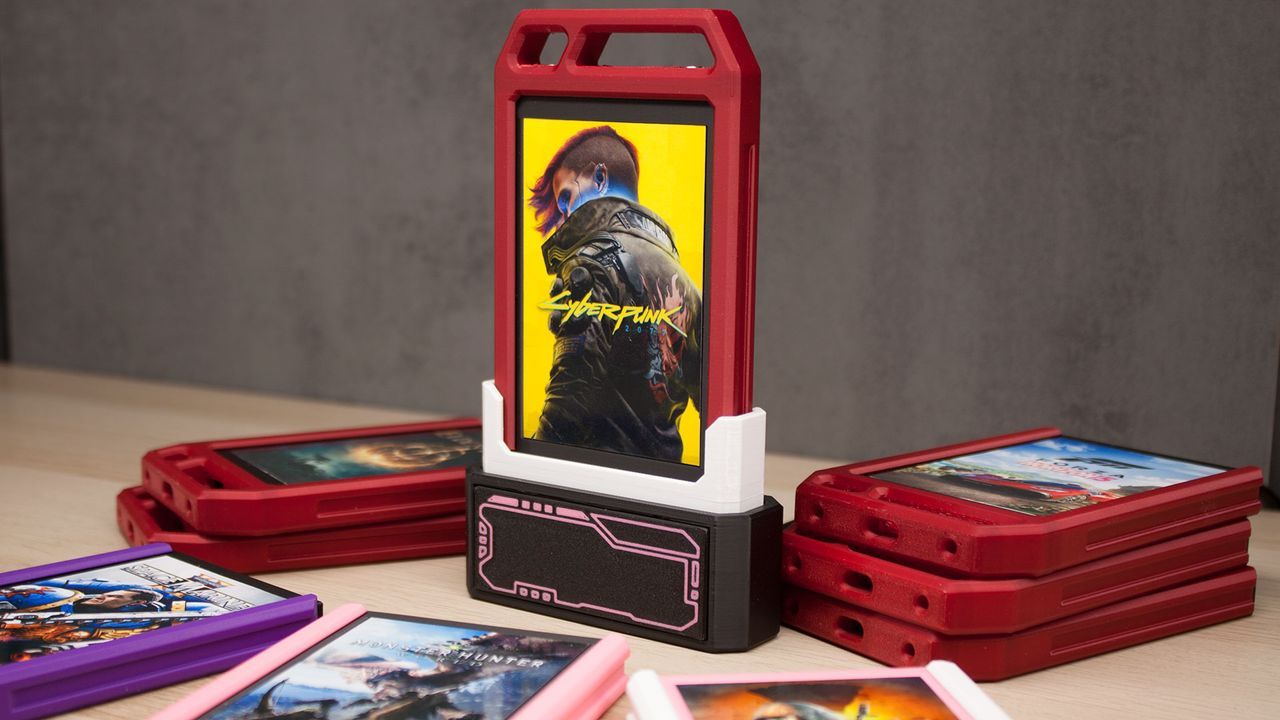
What happens when you blend the nostalgic convenience of old-school console media with the boundless digital universe of Steam? A PC gamer has found a remarkably clever solution, transforming obsolete storage into a personalized gaming library.
Meet Jibril-sama, who has engineered a system that turns used 2.5″ SSDs into Steam game cartridges. This ingenious setup tackles one of the most frustrating problems for PC enthusiasts: managing sprawling game libraries and the ever-increasing demand for storage space. Instead of letting multi-gigabyte installations hog precious primary drives, Jibril-sama has found a way to externalize and organize digital games.
The core innovation lies in a seamless blend of hardware and software. On the hardware side, the system utilizes a simple SATA dock to connect the storage. Software-wise, the magic happens through clever scripting and system-level triggers. Games are actually stored on these SSDs, and specialized scripts ensure that when a cartridge is plugged in, the operating system automatically navigates Steam to the correct game page or launches the title immediately.
The underlying mechanism relies on deep system integration. To initiate the process, the setup uses a systemd template to monitor for scripts on the SSD, while a udev rule is set up to trigger the entire sequence. This process is elegantly simple: plug in the SSD, the udev rule detects the event, which triggers the systemd daemon, which then finds and executes the necessary script. It’s digital alchemy done at the operating system level.
Adding a splash of personality to this technical feat are the physical cartridges themselves. Jibril-sama has encased these game files in custom-labeled, colorfully designed shells, giving the system a delightful, tangible aesthetic—truly a taste of fun blending high-tech execution with playful presentation.
While the setup is brilliant for managing existing game libraries and providing on-demand access to titles one wants to replay, questions naturally arise regarding longevity. Users wonder how this system handles the inevitable multi-gigabyte updates that modern games often receive. Jibril-sama has addressed this by focusing the system on games they wish to revisit rather than ‘live service’ titles. For larger patches, the approach is to let Steam manage the updates and introduce a brief waiting period before playing, prioritizing stability over constant live patching.
As the PC gaming community continues to push boundaries in terms of storage management and customization, this system offers a compelling glimpse into a future where old hardware meets new software in an incredibly efficient and engaging way. While more documentation on printing the custom shells is yet to come, the concept itself proves that true innovation often emerges from finding creative solutions within existing constraints.
Credit
