Persona remakes vs PS2 Shin Megami Tensei visuals
Sometimes, the greatest act of creation isn’t making something new, but carefully tending to what already exists. For many in the gaming world, this philosophy is especially relevant when looking at the catalog of Atlus and its legacy, where older titles simmer, waiting for a moment to be rediscovered.
This sentiment is echoed by series producer Kazuhisa Wada, who views remasters or remakes not just as commercial ventures, but as a form of cultural preservation. For Wada, the responsibility of a creator is to ensure that the works they have created are not lost to time, and that they remain relevant in the modern day. This perspective naturally brings the attention back to foundational titles like Persona 1 and Persona 2.
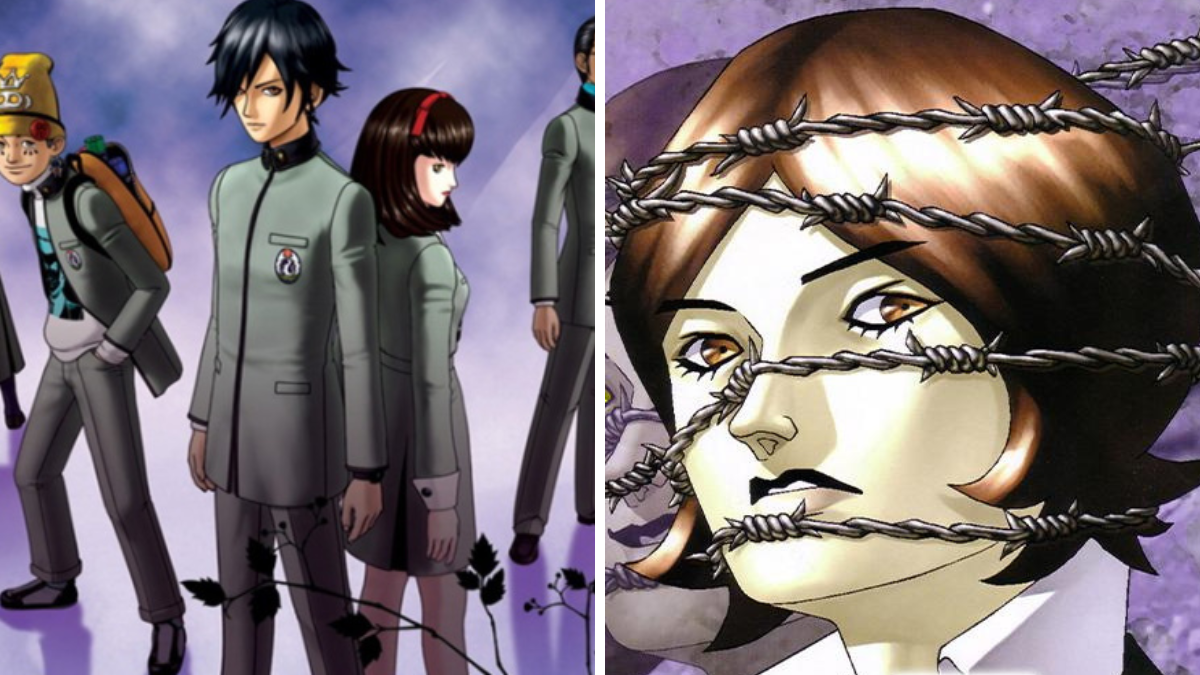
Released in 1996 and 1999 respectively on the PlayStation, these games laid crucial groundwork for the series. While they feature a cast of school students, the ingenious social links system—arguably the hallmark of the entire series—was introduced later, in Persona 3. Yet, even without that evolution, the structural elements of Persona games stand out, particularly in their first-person blobber-style dungeon exploration, which connects them conceptually to earlier titles like Shin Megami Tensei.
The value of these older titles lies in their history. They represent a specific era of RPG design, and revisiting them, perhaps with a modern polish, could provide a rich experience for current players who appreciate the depth of the lore and mechanics.
Beyond the Persona series, the broader Atlus and Sega portfolio contains a fascinating backlog of games that remain locked to their original consoles. There are titles that deserve a spotlight, such as Shin Megami Tensei 4, which remains an exclusive on the Nintendo 3DS, and the Digital Devil Saga and its sequel, which continue to wait for their next chapter.
Meanwhile, other titles have already seen significant attention. The remake of Raidou Kuzunoha vs. King Abaddon successfully revitalized the combat system, proving that even older concepts can be brought into the modern age with fresh energy. Similarly, the various Shin Megami Tensei titles, including SMT 3 and SMT 5, are available on PC, offering a wider audience for their unique blend of sci-fi severity and deep strategy.
The question then becomes one of priority. For those who yearn to see these classics updated, the desire centers on bringing these older, brilliant concepts into the present. It is a call to honor the history of the genre by giving these forgotten gems the visibility they deserve, proving that true preservation involves making the past relevant for the future.
Buy on Amazon
Credit
