Pixel Art Challenge How many games can you spot
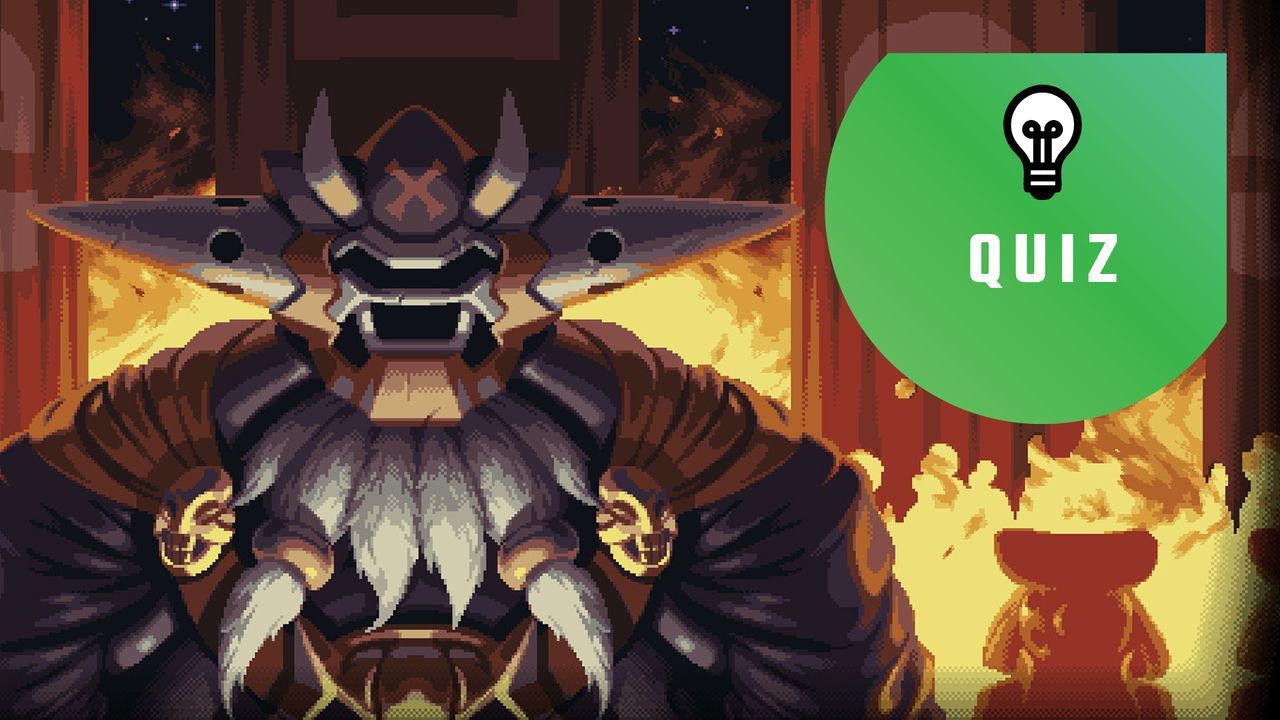
Pixel Art Puzzle: Can You Spot the Game in the Blur?
Gaming trivia is more than just knowing character names; it’s about recognizing the subtle language of design. Recently, a content creator decided to step up the challenge, moving beyond simple, clear screenshots to test the true depth of gaming knowledge. The goal? To see how much of the audience can identify beloved titles based on heavily distorted pixel art.
If you thought you knew pixel art, prepare for a visual workout. Instead of presenting pristine, zoomed-in screenshots, the new challenge throws a curveball. The images are intentionally altered—blurry, clipped, or reduced to smaller samples—forcing participants to rely on instinct and pattern recognition rather than pure clarity.
This shift transforms a familiar activity into a genuine puzzle. The test is no longer about spotting obvious details; it requires a keen eye for sprites, specific environmental textures, and the unique aesthetic signatures of various games. It’s a test of deep familiarity with the visual history of the gaming landscape.
The ultimate test is simple but demanding: can you name as many of the 15 games as you can identify within a strict six-minute timeframe? It’s a race against the clock, demanding both memory and artistic appreciation.
This new approach eliminates the possibility of cheating with obvious visual aids. It zeroes in on the essence of the game’s pixel aesthetic, making the challenge a true deep dive into gaming lore and visual memory.
For gamers who love the intricate world-building and artistic dedication embedded in pixel art, this challenge offers a fresh perspective. It proves that recognizing a game often comes down to recognizing its soul, even when the picture is intentionally obscured.
Ready to put your visual memory to the test? Dive into the distortion and see how many masterpieces you can name before the timer runs out.
Buy on Amazon
Credit
