Play 30,000 games on the Steam Deck
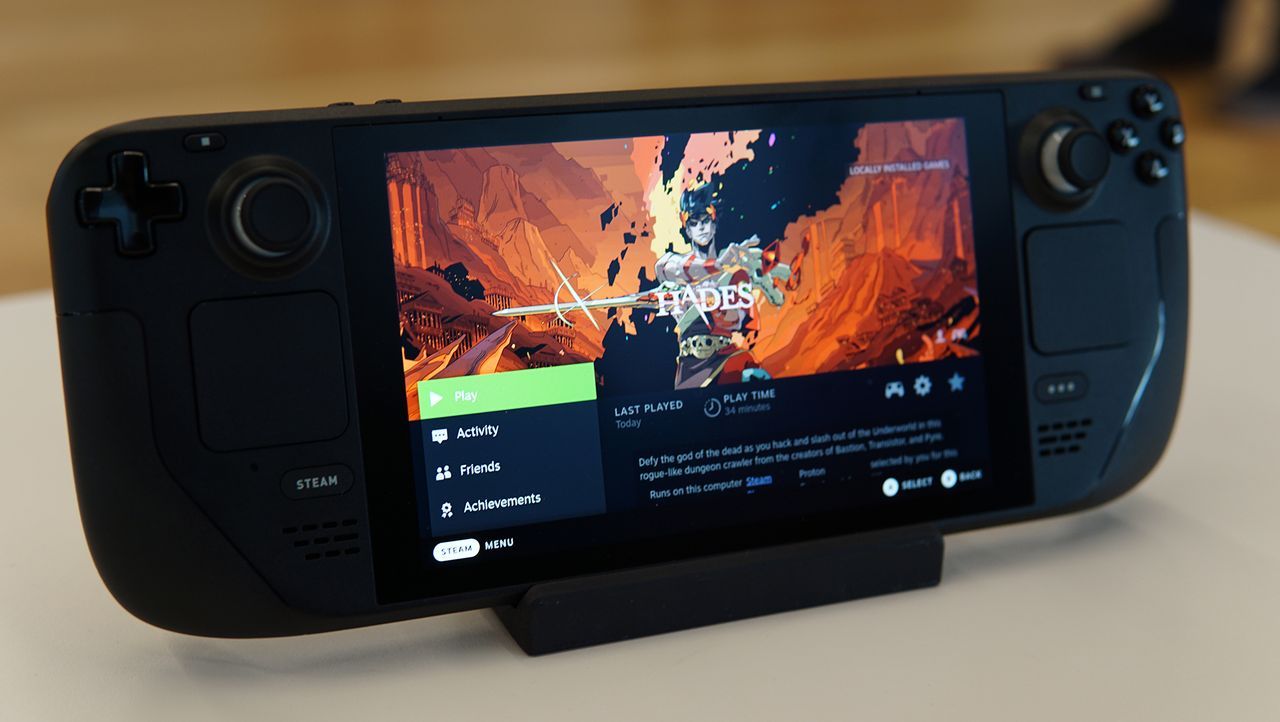
When Valve launched the Steam Deck in February 2022, it promised something revolutionary: the ability to play your entire Steam library on the go. Almost a decade later, that promise has evolved into a fascinating study of digital compatibility, community ingenuity, and the complex reality of cross-platform gaming.
The numbers tell a compelling story of adaptation. Nearly half a decade after its debut, the Steam Deck has become a genuine portal for gamers, with approximately 30,000 games either officially Steam Deck Verified or widely considered ‘playable’. This represents a staggering increase from the initial offering of just 3,000 compatible titles back in May 2022.
But what does ‘playable’ truly mean? The distinction between a game being ‘Verified’ and simply being ‘Playable’ adds layers of complexity. ‘Verified’ status assures that a game will work flawlessly from the very first boot. However, ‘Playable’ games require a bit of fine-tuning or adjustment to ensure the best handheld experience.
Navigating this landscape involves more than just technical specifications. Valve has introduced compatibility checks for features like Steam Frame and SteamOS, but developers still face confusing hurdles. For instance, even highly optimized titles, like those from the realm of Albion, have faced verification criteria that can feel like a maze for creators aiming for handheld optimization.
This is where the rubber meets the road. Not every game with a rating means a perfect experience. While the system aims for broad accessibility, technical challenges remain. Games might be officially marked as ‘Unsupported’—a frustrating label for fans—yet they can still run incredibly well on the hardware. Even venerable titles like Dragon Age: Origins, despite being officially unsupported, run remarkably well on the Steam Deck, proving that compatibility isn’t always a binary choice.
Further complications arise from the underlying technology. Kernel-level anti-cheat systems, often essential for competitive games, frequently clash with the Linux-based SteamOS, creating friction for players and developers alike. This tension has led to changes, such as Ubisoft’s decision to remove For Honor from the Linux platform to ensure a safer environment for users.
The sheer scope of the Steam ecosystem dwarfs the handheld’s reach. With over 130,000 games released on Steam to date, the platform’s growth has been exponential. The notion that only 10% of all Steam games enjoy official Steam Deck compatibility feels almost quaint when considering the massive amount of content available.
Buy on Amazon
Credit
