Playing The Duskbloods erased my FOMO
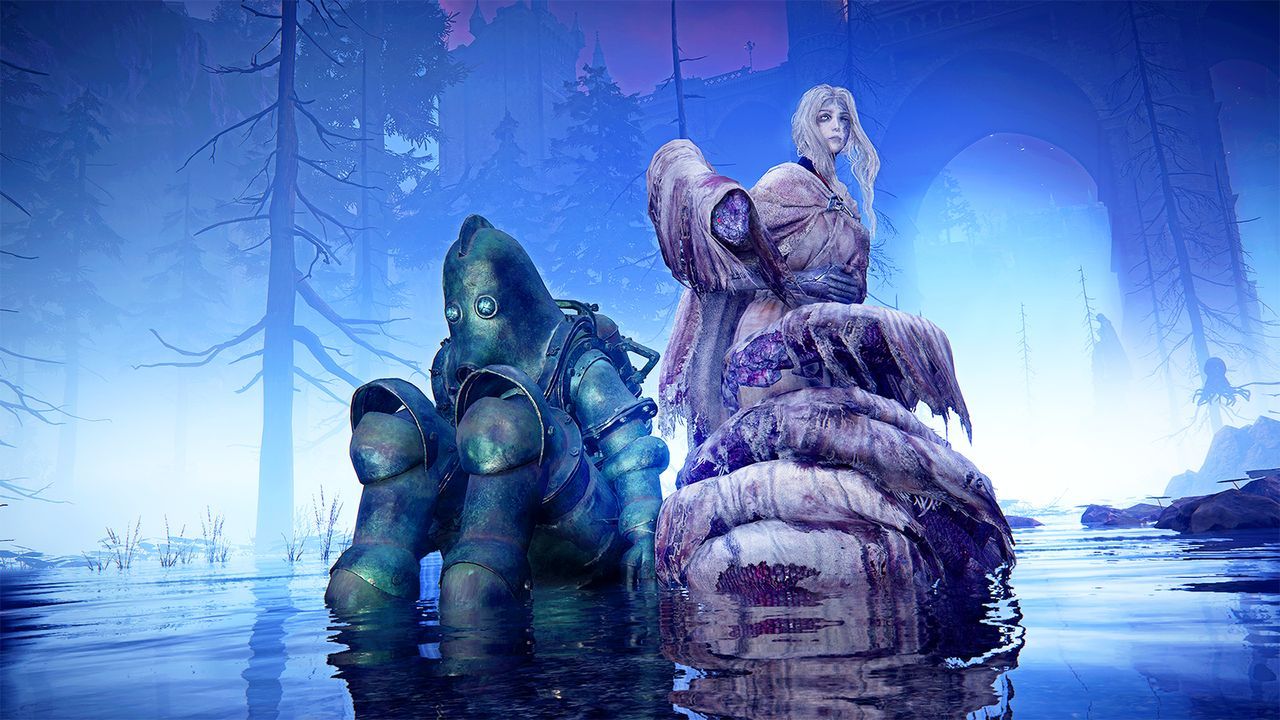
The anticipation surrounding FromSoftware’s next multiplayer experiment, The Duskbloods, has been electric, especially for fans immersed in the world of Elden Ring. For those who have spent countless hours in games like Nightreign, the promise of a Switch 2 exclusive experience felt inevitable. But when the time came to actually dive in, the reality proved far more complicated than the hype suggested.
Initial impressions from the closed network tests were decidedly mixed. The testing environment, limited to a single map, six playable characters, and solo queue mode, offered a narrow glimpse into the game’s potential. Crucially, some players encountered noticeable input lag, particularly in the docked and handheld modes of the Switch 2, which made mastering the basic controls a frustrating exercise.
Assuming these technical hurdles are smoothed out, the real test lay in the game’s design. While the premise of The Duskbloods—a vampire-themed battle for supremacy—is undeniably bizarre, the core gameplay systems struggled to cohere into a satisfying experience. It felt less like a masterfully crafted multiplayer game and more like an aimless collection of intriguing elements that didn’t quite fit together.
At its heart, the game operates on a structure reminiscent of a MOBA. The primary objective seems to be farming Virtue points by eliminating enemies to prepare for the final PvP showdown. Players are pitted against each other in a race to become the strongest combatant in the lobby. While the PvP element is present, for the majority of the match, the act of fighting other players felt largely meaningless. Dying to another player only served to reset the farm, suggesting that the social conflict lacks sufficient stakes.
The combat itself, while fluid for movement—with triple jumps and air dashes—often defaulted to the familiar attack-and-dodge mechanics seen across FromSoftware’s titles. Bosses frequently engaged in ping-pong battles, and the distinction between challenging foes and simple fodder was often unclear, leading to moments where even the most challenging encounters felt like repetitive grinding.
The unique character mechanics, including the specialized Kin—ally entities such as the shirtless Baritone or the healing Gargoyle—were fascinating concepts. They hinted at the potential for deeper team interactions, drawing inspiration from Elden Ring’s Spirit Ashes. However, these systems often felt ill-equipped for the speed of the PvP action, occasionally hindering rather than helping the flow of combat.
Despite these mechanical shortcomings, the world-building remains a powerful draw. The lore, filled with echoes of Bloodborne and a steampunk aesthetic, is rich and evocative. The setting of vampires fighting on the eve of an apocalypse, complete with cryptic tutorial popups about ritualistic actions, provides a darkly imaginative backdrop. The game successfully sets a tone that reminds us that even in grand, fantastical settings, the ambition for truly innovative game design can sometimes fall short.
Ultimately, while the vision behind The Duskbloods is captivating, the current execution leaves much to be desired. For PC gamers seeking high-fidelity experiences and robust systems, the lack of immediate polish and meaningful complexity suggests that the game might risk becoming just another title on the shelf—a spectacle that doesn’t quite deliver on its own thrilling promise.
Buy on Amazon
Credit
