PlayStation mocks Xbox by dropping GoW before Fable
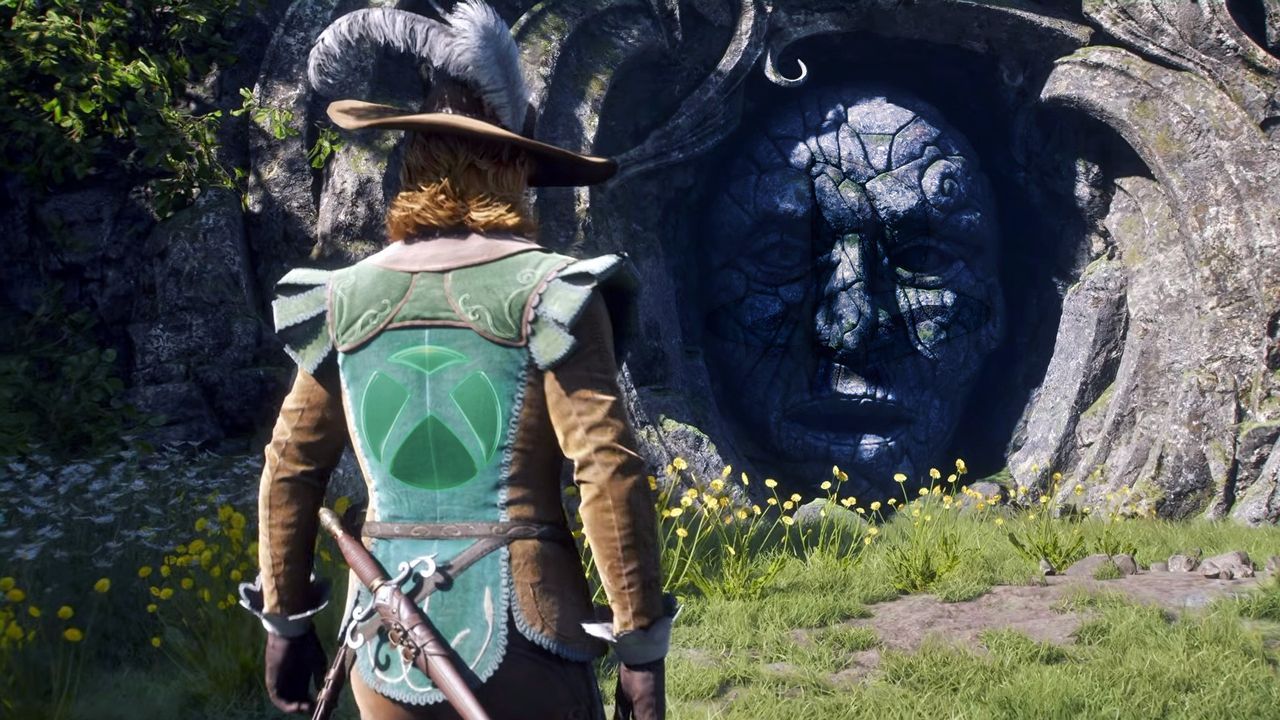
For years, Xbox players have held a quiet but persistent demand: AAA tentpole games that matched the exclusivity enjoyed by PlayStation fans. This desire was largely ignored, until Microsoft finally admitted its multi-platform strategy had faltered in delivering necessary growth.
The situation has reached an interesting turning point. After making a controversial decision to remove exclusive content, Microsoft acknowledged that this approach failed to capture the necessary enthusiasm. Now, CEO Asha Sharma is attempting a strategic course correction, committing to bringing back exclusive titles for Xbox Series X|S consoles. The question remains whether this pivot will be enough to save the brand in the long term.
The new strategy involves resurrecting key intellectual properties. In the near future, players can expect exclusive access to titles like Gears of War: E-Day and the dark RPG Clockwork Revolution. Among the projects on the horizon is the highly anticipated franchise Fable, developed by Playground Games, which has been touted as a massive opportunity for Xbox Game Studios.
The promise of new exclusives comes with a complex timeline. While Fable has been slated for an Xbox and Windows exclusive run, it is planned to launch on the PlayStation 5 on February 2027. This timing sets up a fascinating cross-platform competition.
As we look toward that date, the spotlight shifts to Sony’s own tentpole releases. The next major event on the PS5 is God of War: Laufey, scheduled to launch just one day before Fable’s early access period. This strategic scheduling creates a stark reminder of the evolving landscape.
This alignment highlights how Microsoft’s shift has played out. By pushing for multi-platform freedom, Xbox indirectly encouraged PlayStation to open up to cross-play and experiment with multi-platform releases on PC and even Xbox itself. However, in the end, this move painted Xbox as a weaker ecosystem compared to Sony’s offering.
This competitive reality is underscored by broader corporate decisions. Despite record revenue last year, Microsoft has faced internal pressures, including further price hikes for the console and significant workforce reductions, signaling a focus that seems less aligned with customer-facing success.
Ultimately, the story of Xbox exclusivity reflects a larger lesson: no platform can survive indefinitely without compelling, exclusive content. While Microsoft is now attempting to redefine its offerings under new leadership, it must learn that true strength lies not just in technology, but in earning the trust and respect of its player base.
Buy on Amazon
Credit