Quantum simulation generates game worlds in C.L.A.Y. RPG
Quantum Leap: How One Game Studio is Rewriting the Rules of Reality with Quantum Computing
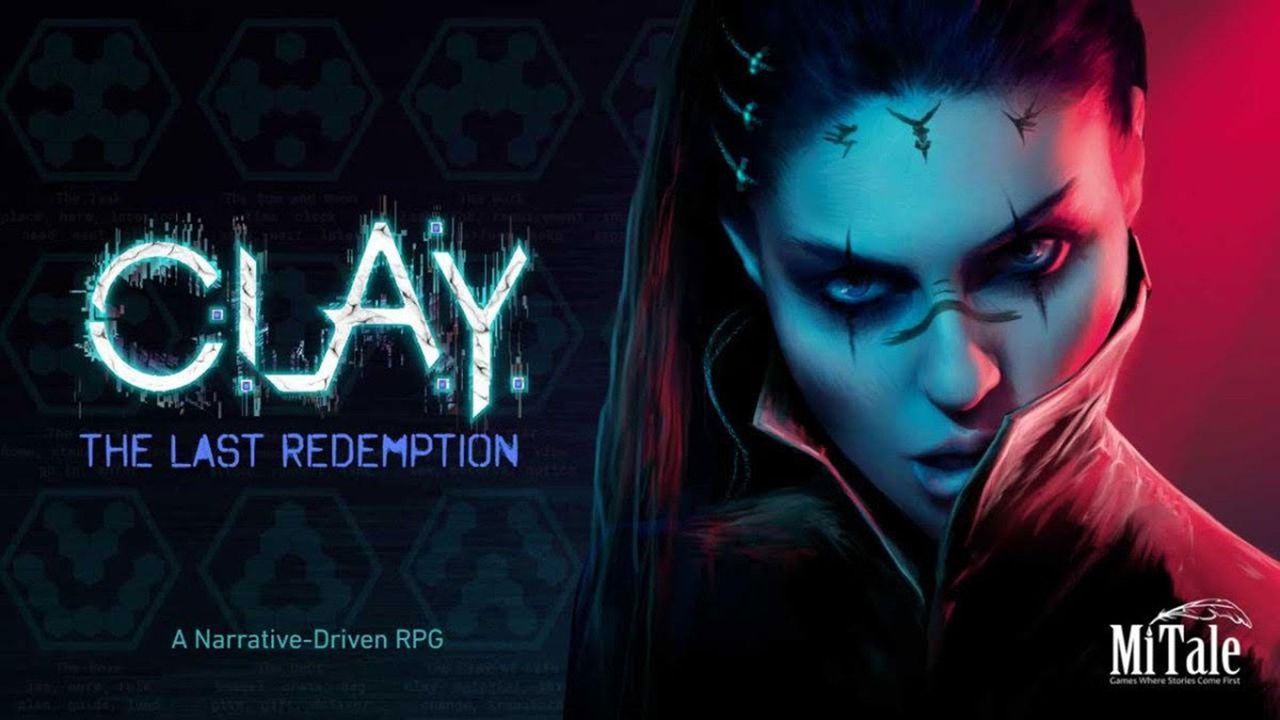
In the sprawling, often hyper-realistic world of video games, a new frontier is emerging—one powered not just by graphics processing, but by the very fabric of quantum physics. Game studio MiTale Ltd. is leading this revolution with their ambitious narrative-driven RPG, C.L.A.Y. – The Last Redemption, claiming to be the first commercial game to utilize quantum computing in an immersive experience.
This isn’t just about pretty visuals; it’s about fundamentally rethinking how worlds are built. MiTale achieved this feat by collaborating with experts from IBM Quantum Computing, integrating complex quantum techniques directly into the game’s assets, narrative structure, and procedural systems. They are harnessing the immense power of quantum mechanics to generate maps, characters, and graphic simulations in ways previously thought impossible for interactive entertainment.
The ambition behind this project is staggering. MiTale posits that incorporating quantum technology is the crucial next step in creating truly dynamic game environments. They envision a future where real quantum hardware can accelerate complex tasks in a manner similar to a GPU, offering unprecedented real-time adjustments and truly unique player experiences within every gaming session.
The power of quantum computing lies in its ability to handle vast numbers of variables and complex modeling—precisely the sort of challenges that define next-generation gaming universes. While quantum computers are often pitched as hifalutin solutions for global problems, their core strengths in optimization, simulation, and discovery offer a potent toolkit for game developers looking to push the boundaries of immersion.
MiTale’s journey to this quantum horizon has been a marathon, spanning at least six years. They skillfully connected these advanced systems with familiar development environments, including Unity, Unreal Engine, Godot, and the Ink narrative system, demonstrating a seamless integration between cutting-edge science and creative storytelling.
The goal extends beyond the current game. MiTale’s long-term vision involves integrating real quantum hardware into the development pipeline to enhance player-centered design, promising game experiences that are not just simulated, but dynamically adjusted in real-time. This approach moves gaming beyond rendering pixels and into simulating reality itself.
This endeavor signals a dramatic shift in the industry. While quantum computing is still maturing, the work being done by MiTale and their partners suggests that the era of quantum-enhanced gaming is not a distant dream, but a rapidly unfolding reality. It’s a bold move that positions gaming at the very intersection of technology and imagination, ready to accelerate the next evolution of interactive entertainment.
Credit