Rats for RAM The Hardware Crisis Hits a New Low
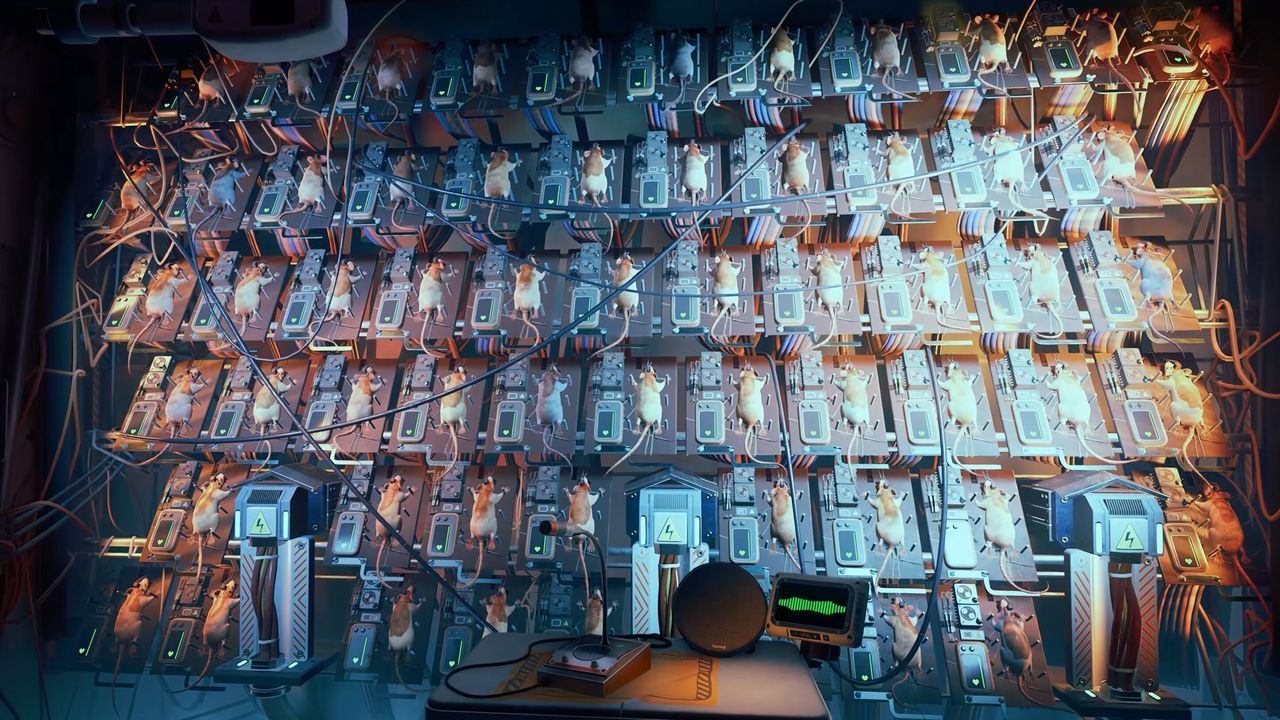
We stand at a fascinating, if slightly contradictory, intersection of human ambition. On one hand, the grand narrative of exploration continues, with projections suggesting that space travel is advancing rapidly enough to make the establishment of a lunar hotel not just a dream, but a plausible future goal.
Yet, while humanity looks outward to the stars, we are grappling with deeply strange and intensely frustrating realities right here on Earth. The reality of consumer technology, however, often presents a starkly different picture: a relentless march toward a hypothetical RAMpocalypse, where the cost of essential computer memory feels almost ludicrously exorbitant.
In this environment of escalating hardware costs, innovators are not just looking for incremental fixes; they are seeking radical, sometimes absurd, alternatives. This pressure is perhaps best illustrated by the realm of novel computing concepts, where the lines between theoretical physics, game design, and sheer digital madness blur.
Consider the world of simulation and extreme processing. One compelling thought experiment involves radical shifts in how we store and process data. Some speculative futures hint that desperation for localized, intense processing power might lead to profoundly unconventional solutions—like replacing traditional memory with something far stranger.
This notion finds a strange, unsettling echo in the world of game development. A forthcoming title hints at a reality where alternative forms of memory are the only path forward. Imagine a system where the processing power of a massive computer is handled not by silicon chips, but by an array of biological minds. The concept of a computer built from multiple, highly specialized entities—such as a hypothetical rat computer—forces us to confront the limits of what we accept as conventional technology.
This concept introduces an intense, almost morbid fascination. It moves beyond mere technological speculation into a philosophical quandary: what ethical boundaries do we cross when we consider utilizing anything—or anyone—as a functional component of our digital existence?
The narrative woven around these concepts asks profound questions about control and choice. When facing the unknown potential of advanced, alternative systems, the real challenge might not be achieving the technical feat, but managing the psychological weight of the experiment itself. The tension lies in the stark choice presented: whether we pursue the next logical step in technology, or if we pause to consider the ethical implications before letting the inevitable consequence take hold.
Buy on Amazon
Credit