Remove RTX 4060 Fans and Slap on a Giant Heatsink
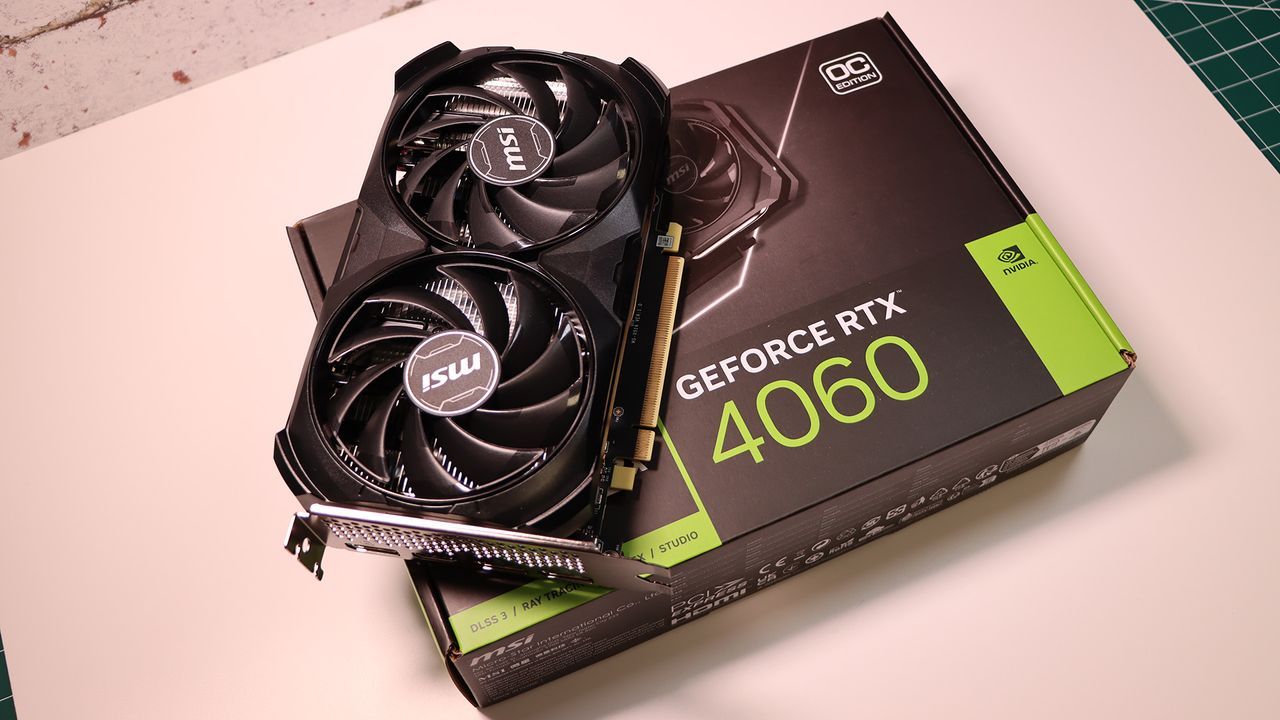
The Passive Revolution: When Cooling Meets Absurdity
In the world of PC hardware, thermal management is usually a silent, often frustrating battle fought by intricate plumbing and whirring fans. Yet, some enthusiasts are challenging this convention entirely, opting for an extreme approach to passive cooling that results in truly spectacular—and somewhat ridiculous—hardware modifications.
One such project involves taking an RTX 4060 GPU and subjecting it to a radical transformation. The goal? To eliminate the need for noisy, power-hungry fans entirely. Instead of traditional cooling solutions, this DIY endeavor embraces the concept of passive heat dissipation by attaching a massive heatsink directly onto the graphics card.
The resulting setup is a visual spectacle. Judging by photographs of the assembled components, the custom heatsink isn’t just an addition; it’s a statement. Weighing in at 2.56 kg (5.64 lbs), this behemoth riveted assembly completely dwarfs the original RTX 4060 PCB, creating a scene that is both baffling and undeniably impressive.
This extreme measure stems from an understanding of thermal limits. The logic behind such a monumental effort often hinges on the power consumption of the component being cooled. Low-TDP GPUs are naturally better suited for fanless designs because they generate less heat in the first place, making passive cooling a viable alternative.
For context, while enthusiast GPUs like the RTX 5090 can generate substantial heat, lower-tier cards such as the RTX 4060 operate at a much more manageable 115 W TDP. This thermal reality suggests that passive cooling, while perhaps not offering the absolute lowest temperatures, provides significant advantages in terms of silence and power efficiency.
The appeal of this approach lies in the inherent benefits: a quieter system and reduced power draw, achieved by foregoing active fans entirely. However, such radical modifications always involve a trade-off, primarily the space occupied. The sheer physical size required for these passive cooling systems forces a confrontation with the practical limitations of computer building.
Ultimately, while this endeavor stands as a testament to creative hardware modding and an admirable pursuit of minimalist cooling, it serves as a reminder that in the realm of PC engineering, sometimes the most striking designs are those that push the boundaries of what is considered practical.
Credit