Removing half RAM fools Best Buy laptop seller
In an era where consumer confidence often feels like a fragile glass sculpture, the promises made by large corporations—especially regarding warranties—have become increasingly difficult to keep. Where once components like PC RAM and storage products carried the weight of lifetime reliability, today’s market is defined by shifting responsibility and a growing sense of corporate evasion.
This theme of broken guarantees is not a new phenomenon, but recent incidents highlight a particularly bizarre episode in the anti-consumer landscape. It is a story that perfectly captures the frustration of trying to navigate modern repair services, especially when dealing with high-value electronics.
One such frustrating case involves a laptop purchased under warranty. A customer seeking a remedy for repeated technical failures turned to Best Buy for assistance. What followed was less of a straightforward repair and more of an unexpected hardware adjustment.
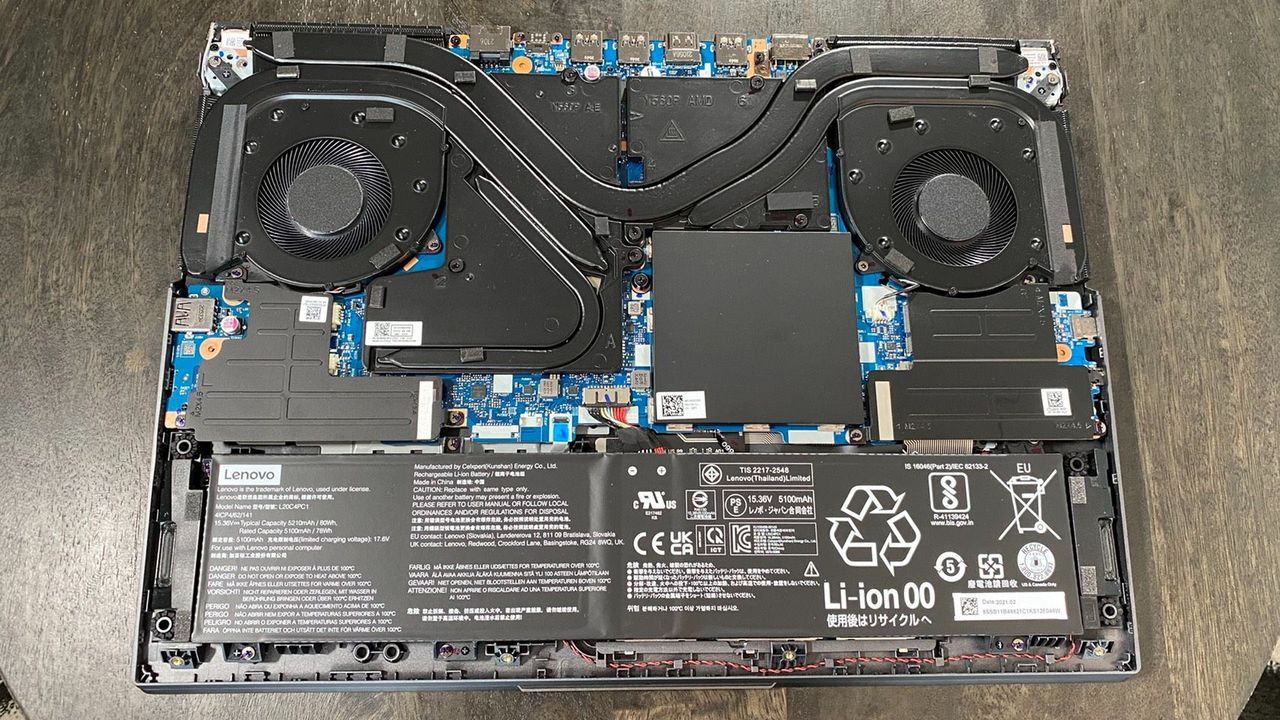
The situation escalated when Best Buy allegedly decided that the most expedient solution was to surgically alter the machine. A customer, seeking resolution for issues with a 64GB RAM laptop, reported that the technician removed one of the memory sticks and returned it to the customer, claiming the unit had passed all reliability tests. The result was a laptop that shipped with half the memory it was originally sold with, despite the customer insisting on the original configuration.
The details of the transaction are telling. The laptop, a high-end model featuring components like an Intel i9-14900HX processor and an RTX 5070, was supposedly sold with 64GB of DDR5 RAM. Instead of honoring the initial agreement, the technician performed a repair that involved amputating a memory stick, essentially trading a fully functional part for a configuration that satisfied a specific, limited benchmark.
This maneuver raises serious questions about the nature of warranty work. When a repair involves removing a core component and declaring the device fixed, how do we define a successful warranty outcome? The action described suggests a very loose interpretation of a guarantee, prioritizing a technical pass over the customer’s expectation of receiving a product returned in its original, advertised state.
For consumers, the advice is clear: do not let companies operate with such impunity. The reaction from those affected is to insist on a proper remedy—whether that means receiving a new, fully functional replacement memory stick or a like-for-like laptop replacement—rather than accepting a partial fix that compromises the initial purchase.
This incident is just one piece of a larger puzzle. It reflects a wider tension in the tech supply chain where chipmakers are balancing demands against limited inventory, with some opting for refunds of the original price, while others are simply waiting out the system. Whether it is a shortage of SSDs from Micron or delays from sk-hynix in the NAND market, the broader story is one of corporate priorities shifting away from customer satisfaction and toward cost management.
Ultimately, the story of the laptop repair serves as a sharp reminder that in the modern marketplace, simply having a warranty is no guarantee of fair treatment. It underscores the necessity for consumers to remain vigilant and demand accountability when the promise of a product is broken.
Buy on Amazon
Credit