Removing plastic drops RTX 3070 hotspot temps by 30°C
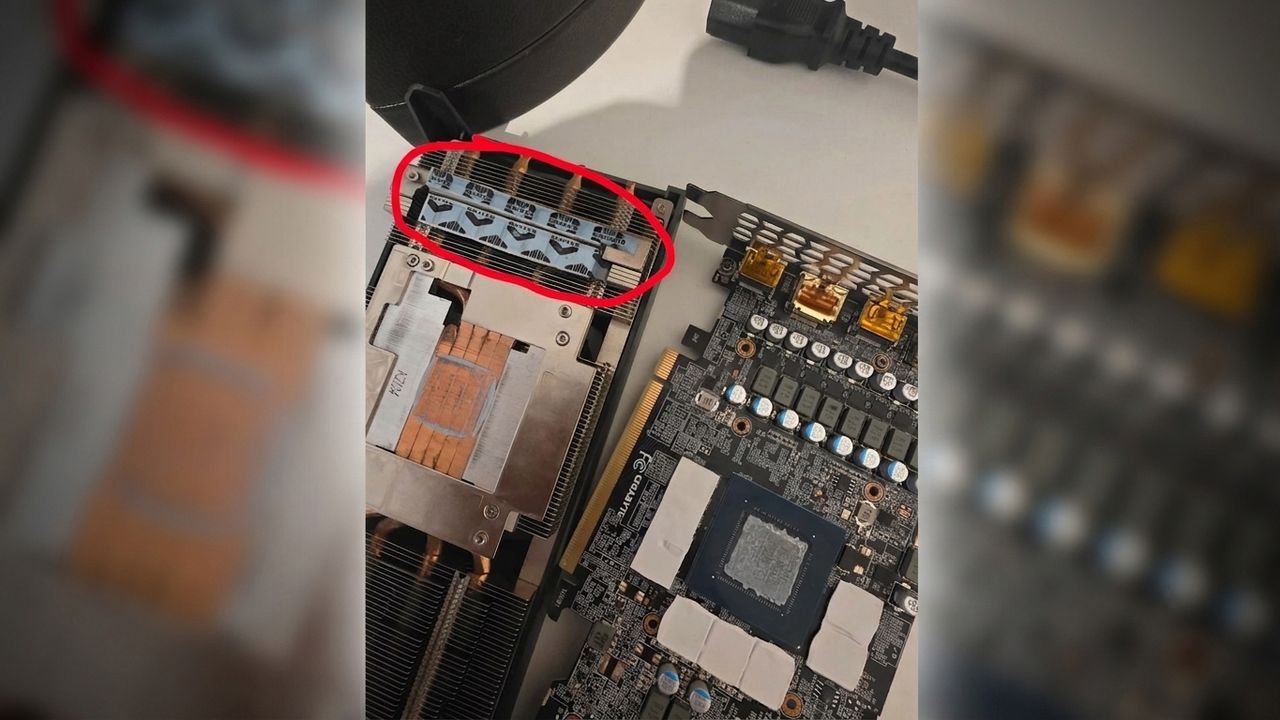
Sometimes, the most spectacular hardware failures aren’t caused by faulty silicon, but by factory oversights. This is the bizarre tale of a gamer who discovered a layer of protective film hiding on the thermal pads of their brand new graphics card, leading to a deep dive into the world of extreme temperature and quality control chaos.
The owner of a new Gigabyte RTX 3070 Gaming OC had quickly become a victim of internal thermal drama. After nearly five years of use, the system was plagued by frustrating issues: spiking temperatures on the Voltage Regulator Modules (VRMs), mysterious black screens during heavy loads, and erratic cold boots. Despite sophisticated attempts to soothe the hardware through BIOS updates, firmware changes, and disabling performance settings like XMP and PBO, the frustrating symptoms persisted.
Benchmarks offered little comfort. Even under stress tests, the GPU temperatures soared, hitting 80°C, with the hotspot reaching a blistering 105°C. Even custom fan curves failed to stabilize the situation, as the cooling fans would randomly ramp up to maximum speed, signaling a struggling system.
Tired of the heat and the instability, the owner decided to take matters into their own hands. Disassembling the graphics card for a thorough cleaning and repasting revealed the source of the thermal nightmare: a layer of factory protective film resting directly on the VRM thermal pads.
Removing this film and applying fresh thermal paste immediately brought relief. The results were startlingly positive, yielding a significant reduction of 15°C on the GPU and a further 30°C reduction on the GPU hotspot. Crucially, after stability testing for three hours, no errors were recorded, suggesting that this simple physical fix had successfully managed the acute overheating problem.
The physical repair also offered a glimmer of hope for the black-screen issues. While the problem had previously been a monthly annoyance, occurring whenever the PC woke from sleep or during cold boots, the owner reported only a single black screen during a cold boot after the thermal pads were addressed. While they acknowledged the full resolution remained to be seen, the physical intervention significantly mitigated the intermittent display failures.
However, the story doesn’t end with a simple hardware fix. The prolonged period of extreme heat raises a deeper concern about the longevity of the component. The owner theorizes that years of excessive thermal stress may have placed undue strain on sensitive internal components, potentially affecting the MOSFETs, capacitors, and even causing repeated expansion and contraction of the PCB, which could introduce microscopic stress on solder joints.
This sequence of events prompts a larger question about manufacturing quality. When a defect originates at the assembly level, how do manufacturers handle post-warranty issues? In this case, the initial response from the manufacturer focused on external testing and directing the owner toward third-party repairs. The case underscores a critical point: factory assembly errors, even those that seem minor, can accumulate over years of use, demanding a more robust commitment to quality assurance across the entire product lifecycle.
Buy on Amazon
Credit
